Winnetka means "beautiful land" in the Potawatomi language, or something close to it. Sarah Peck, who named the village in the 1850s, drew on a Native American phrase she believed captured the character of the wooded bluffs and lakefront she and her husband Charles were building their lives on. It is a name that has aged well. Winnetka looks, 170 years later, very much the way its founders intended it to look, and that is not an accident.
If you're browsing Winnetka, IL homes for sale, or comparing houses for sale across the North Shore, that continuity is a lot of what you're buying into. It's a place that still looks the way it was meant to.
The land was inhabited for thousands of years before European contact. The Potawatomi were the dominant people in the North Shore region by the late 17th century, and archaeological evidence places human occupation across the broader area going back far longer. Michael Schmidt, a German settler, arrived in 1826. Erastus Patterson and his family came from Vermont a decade later. But the community’s organizing energy came with Charles Peck, a Chicago pioneer who platted Winnetka with his associate Walter Gurnee in 1854 and helped secure the Chicago and Milwaukee Railroad’s commitment to stop there the following year. Peck donated elms along what became Elm Street. In 1869, he and Sarah donated the Village Green to the community. The charter the state granted that same year incorporated the village and, reflecting its early residents’ New England Congregationalist values, banned the public consumption and sale of alcohol and required the planting and protection of shade trees. Both provisions shaped the village’s physical character for generations.
Growth was deliberately slow. The population in 1880 was 584. By 1900 it had reached 1,883. The village drew early 20th-century residents who built estates along Sheridan Road and the lake bluffs, commissioning work from architects including Frank Lloyd Wright and George Maher. The railroad tracks, which had run at grade through the village for decades, caused decades of fatal accidents at crossings. Between 1937 and 1942, Winnetka lowered the railroad right-of-way below grade level, a civic infrastructure project that required significant coordination between the village and the railroad and that transformed the experience of downtown by removing the visible rail corridor from the surface. The berm concealing the tracks is now one of the visual signatures of the central business district.
Winnetka has been used as a filming location for some of the most recognized American films of the 1980s. John Hughes shot exteriors for both The Breakfast Club and Ferris Bueller’s Day Off in the village. Home Alone used Winnetka’s streets and a local house that has since become one of the most photographed residential exteriors in American film history. The village’s photogenic quality, its tree-lined streets and well-maintained historic homes, has not dimmed.
Today Winnetka covers approximately 3.9 square miles in Cook County, about 17 miles north of the Loop. The population has remained stable at roughly 12,000 to 13,000 for decades, a function of deliberate zoning that prioritizes single-family homes, low density, and open space preservation. The population is small relative to the community’s national reputation, and that small scale is part of what makes Winnetka what it is.
Winnetka’s housing market is one of the most distinctive on the entire Chicago metropolitan map: a village of about 4,170 households at the 2020 census, almost all of them in single-family homes.
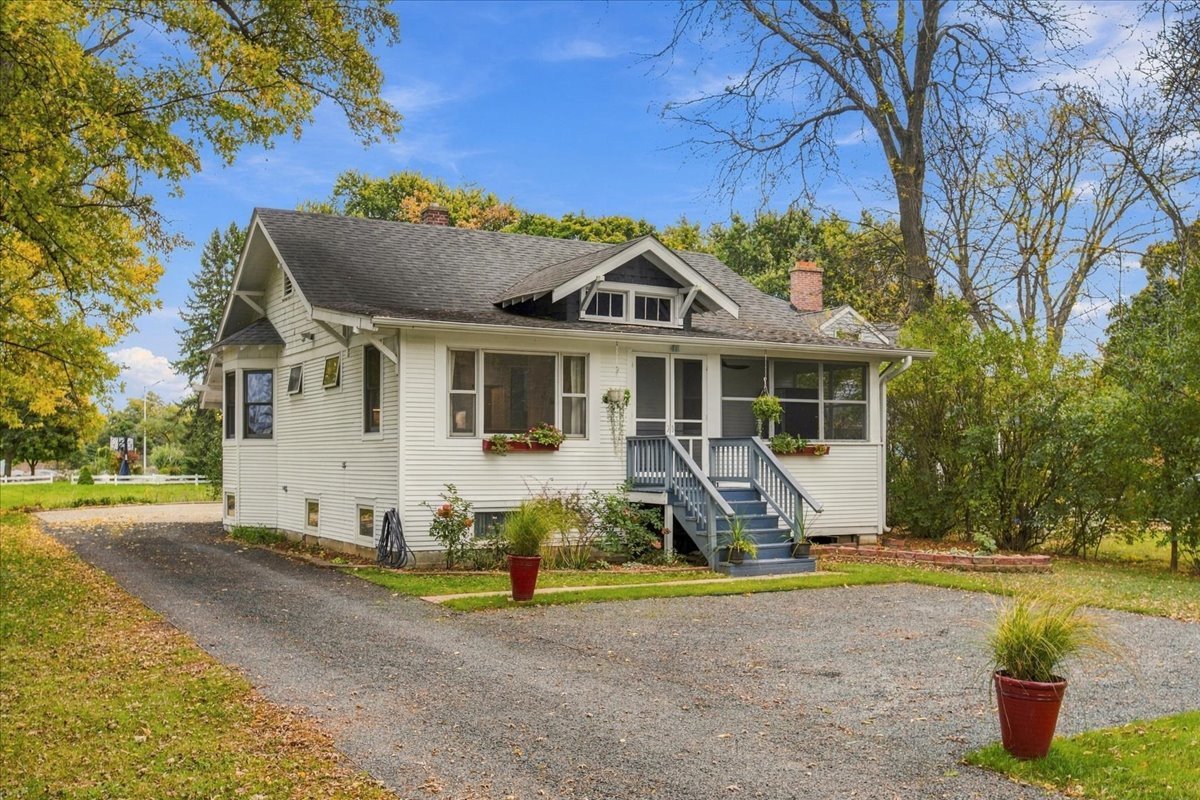
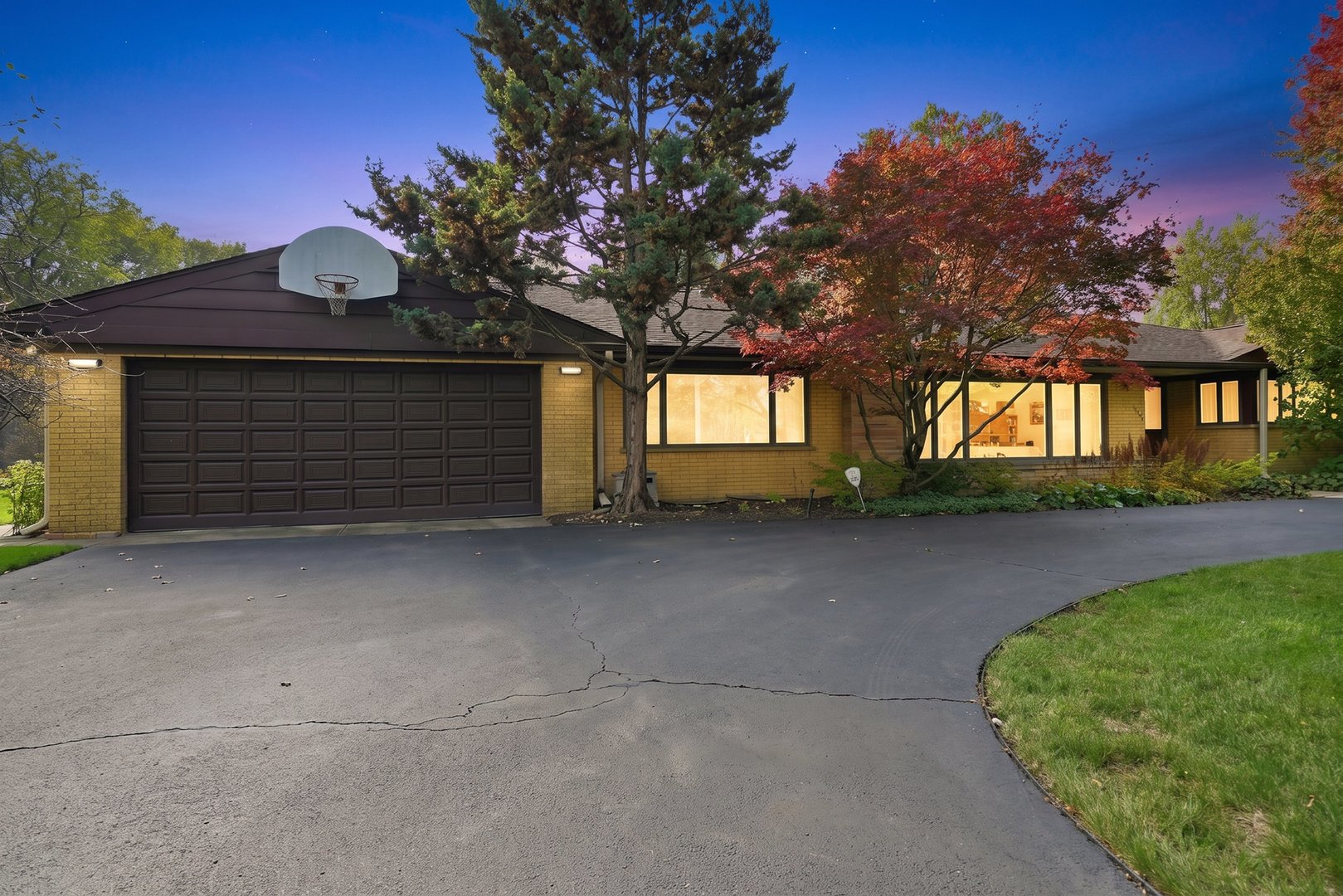
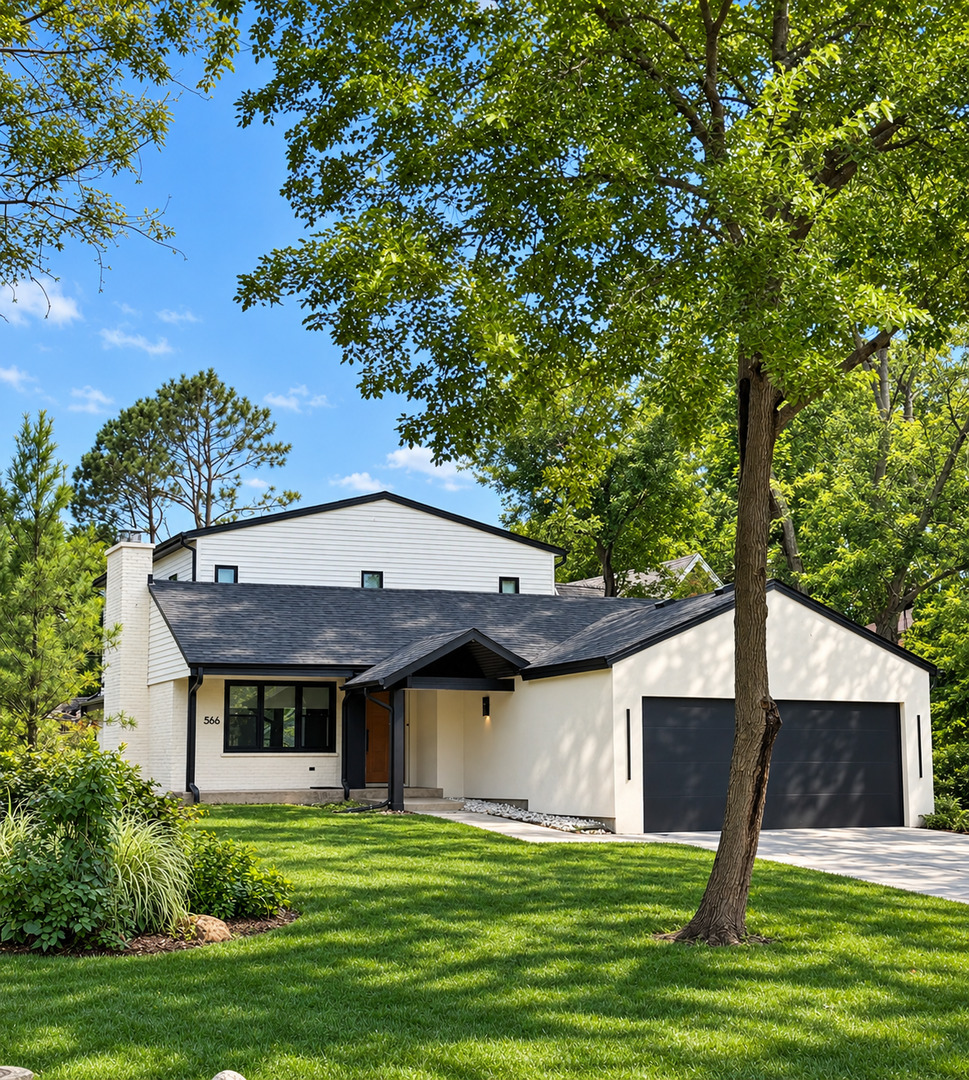
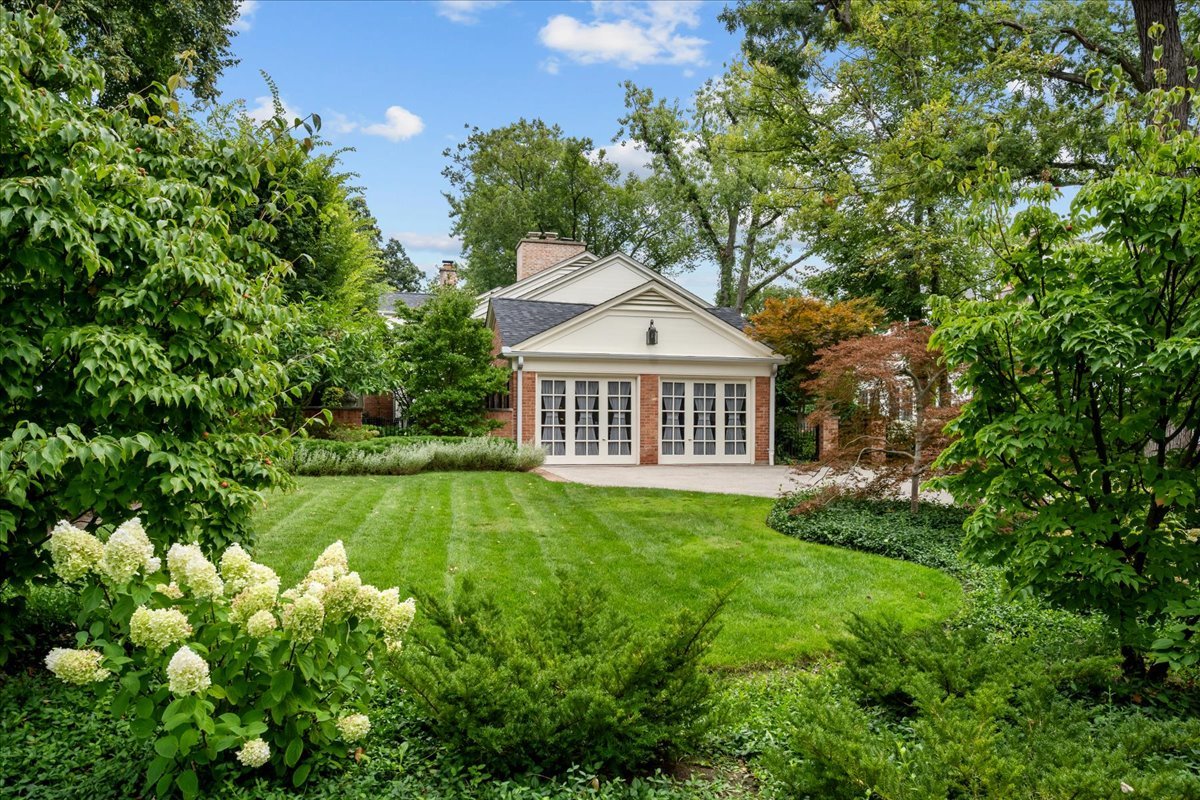
The housing stock is almost entirely single-family detached homes, and four- and five-bedroom homes make up a large share of it. The oldest homes, some dating to the 1870s and 1880s, anchor the streetscapes near the village green and the lakefront. Arts and Crafts, Colonial Revival, Tudor, Georgian, and early modernist styles by significant architects fill the eastern sections of the village closest to the lake. Sheridan Road, which runs along the lakefront, is lined with estate-scale properties whose backyards open directly to Lake Michigan. The western neighborhoods hold a mix of mid-century homes and newer custom construction, generally on larger lots.
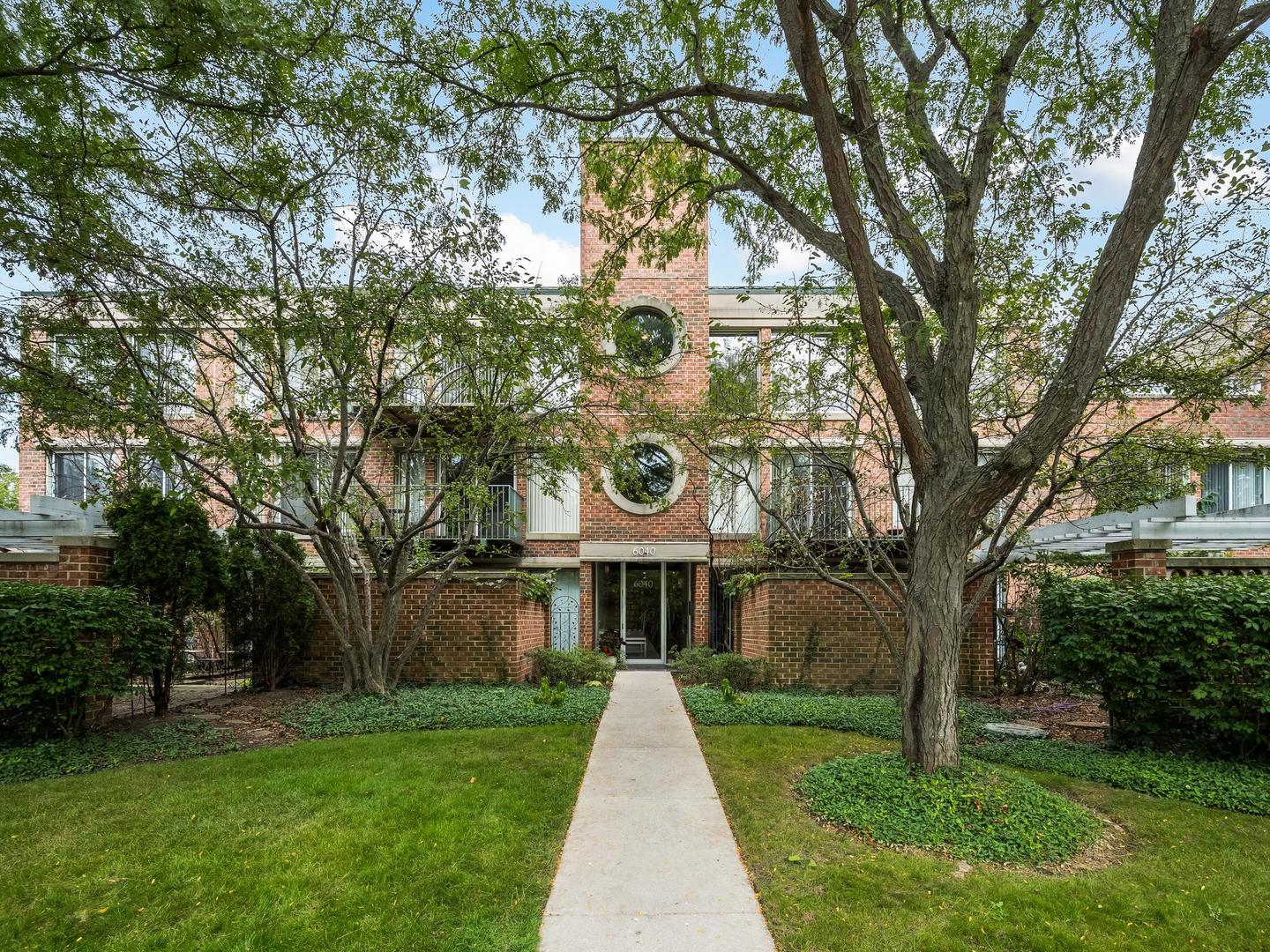
The village has no strip malls, no big box retail, no apartment buildings of consequence. Zoning has enforced that character consistently since the mid-20th century. It shows.
The market operates at a level that reflects both scarcity and sustained demand. The Zillow home value index for Winnetka runs approximately $1,450,000, up 3.2 percent year-over-year. NeighborhoodScout places the median at approximately $1,800,000. Transaction-level data shows median sold prices ranging from $1.6 million to just under $2 million depending on the measurement period, with Movoto recording a November 2025 median of $1,995,000. Median list prices in active inventory have been running around $2.3 million. The low transaction volume, typically well under 100 closed sales in any given month, means that individual sales have outsized effects on median figures, and the range of values is wide, from entry-level village homes in the $800,000 to $900,000 range to lakefront estates trading at $5 million and above. The market is very competitive for well-priced properties, with multiple offers common on homes that are correctly positioned.
Three Metra Union Pacific North Line stations serve the village: Indian Hill on the south end, Winnetka in the central downtown area, and Hubbard Woods on the north end near the Glencoe border. All three provide daily service into Chicago’s Ogilvie Transportation Center, with peak express runs making the downtown commute approximately 35 to 40 minutes. The Green Bay Trail, which runs on the former North Shore Line interurban right-of-way, passes through the village and provides a direct off-road cycling and jogging route connecting Winnetka to neighboring communities in both directions. Interstate 94 is accessible via the Edens Expressway a short drive west.
Winnetka Public Schools (District 36) serves most of the village with Hubbard Woods, Crow Island, and Samuel Sewall Greeley schools for kindergarten through fourth grade, The Skokie School for fifth and sixth grades, and Carleton W. Washburne School for seventh and eighth grades. Crow Island School, designed by Eliel and Eero Saarinen and opened in 1938, is a National Historic Landmark. High school students attend New Trier High School. Parts of southern Winnetka are served by Avoca District 37, and a small area by Kenilworth District 38. Private options include North Shore Country Day School and Sacred Heart School. School assignment depends on the exact address, so check the boundary for any home you are considering.
Winnetka operates three distinct commercial districts, each anchored by a Metra station and each with its own identity. There is no big box retail, and the shops and restaurants are overwhelmingly local.
The Elm Street district, anchored by the central Winnetka Metra station, is the village’s primary commercial core. The East Elm and West Elm sub-districts flank the station with boutiques, galleries, restaurants, jewelers, and specialty shops in a mix of historic and contemporary storefronts. The Book Stall, the village’s independent bookstore, has been a community institution for decades. Hewn Bread, which opened its Winnetka location in 2024, brings its acclaimed naturally leavened loaves to the district alongside a growing coffee and breakfast presence. Restaurants along the Elm corridor range from casual neighborhood spots to destination dining, and outdoor seating fills the sidewalks and private patios through the spring and summer months.
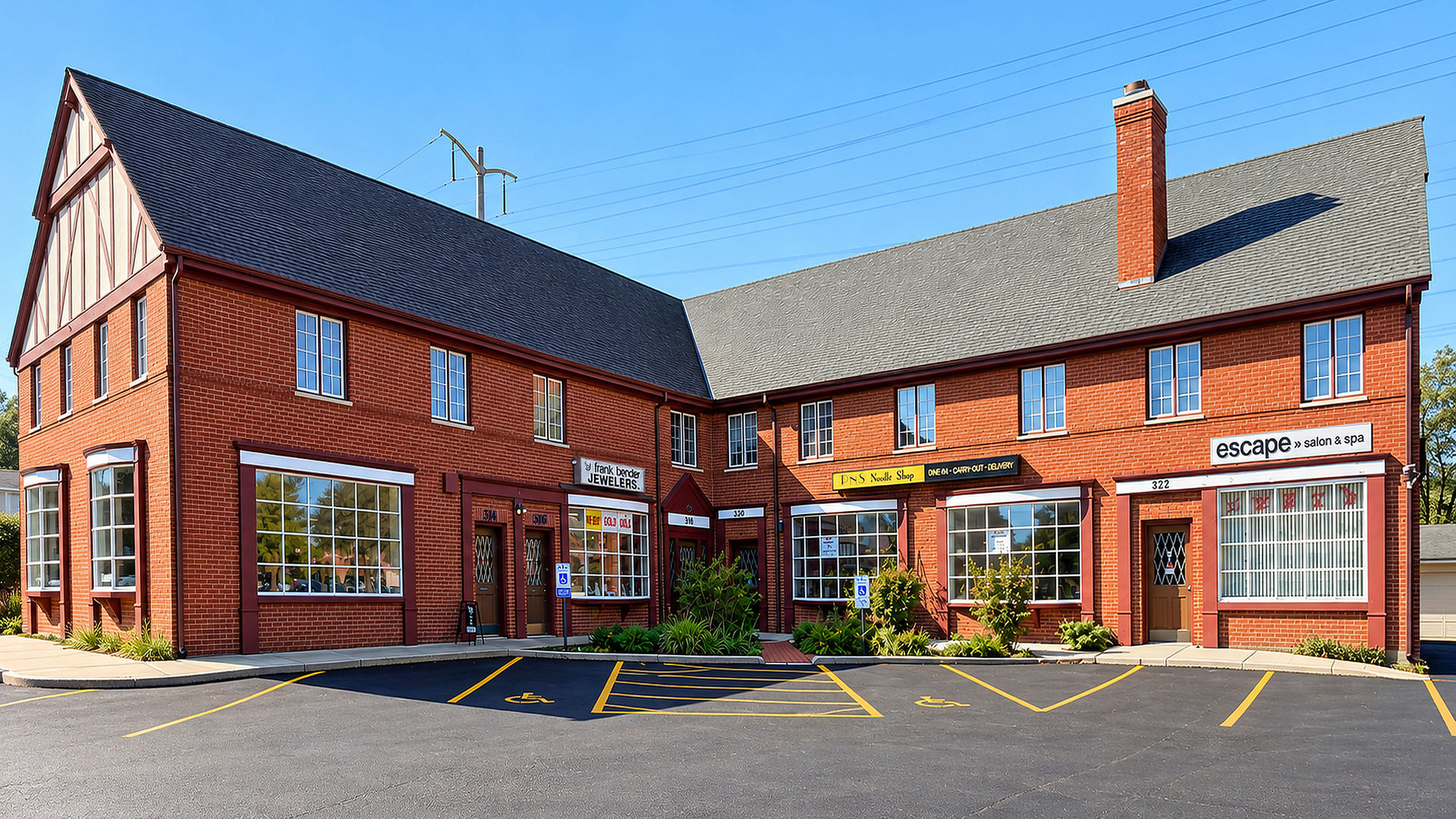
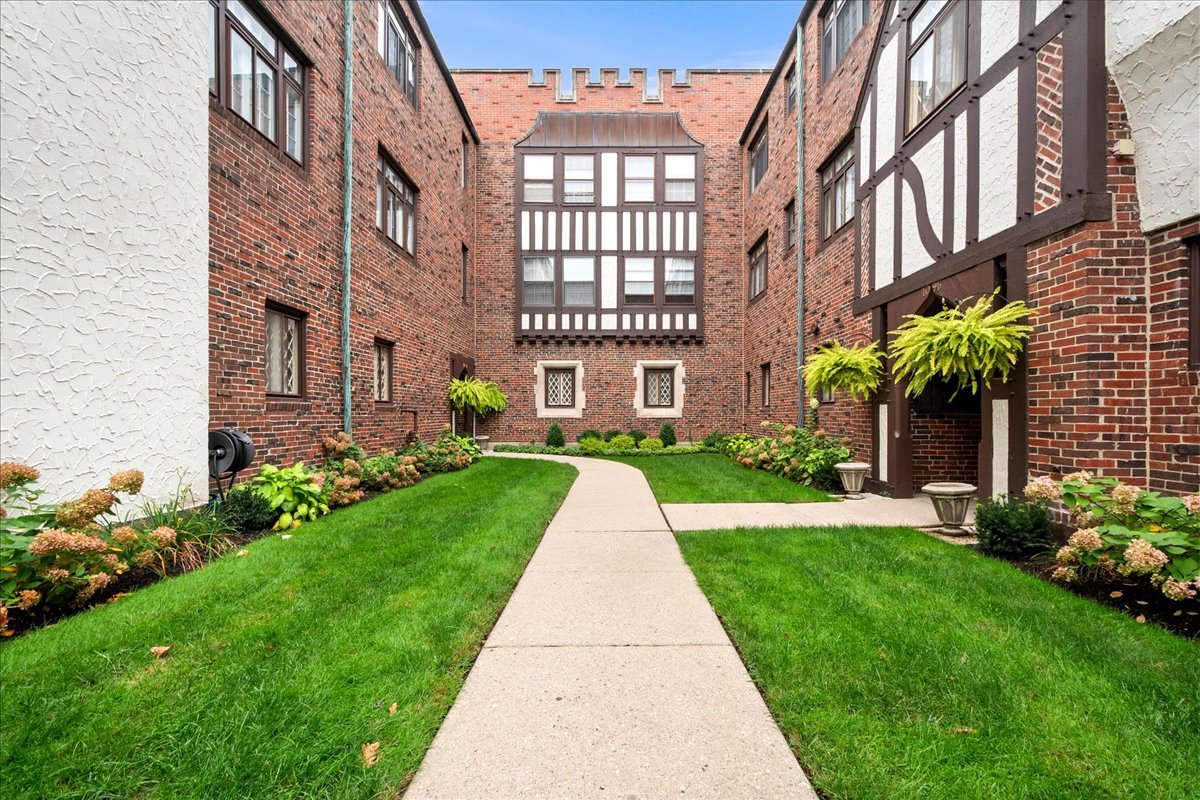
The Hubbard Woods district, at the northern end of the village near Glencoe, occupies Tudor-style buildings around courtyard-like commercial spaces that create a particularly distinct old-world atmosphere. It is quieter than Elm Street, with a mix of antique dealers, specialty shops, and local restaurants serving primarily North Winnetka and south Glencoe residents.
The Indian Hill district, on the southern end of the village near Kenilworth, is smaller and more service-oriented, but anchored by Aboyer, an acclaimed contemporary American and French-influenced restaurant that draws diners from across the North Shore.
The Winnetka Community House, which opened in 1911 and is listed on the National Register of Historic Places, functions as the civic center of village life. It houses a full-service health club, a theater, a gymnasium, and hosts dozens of community organizations including the North Shore Art League, the Winnetka Youth Organization, and the Winnetka Children’s Hour. The Community House is also the site of the nationally recognized Antiques and Modernism Show, a juried event featuring dealers from across the country presenting American, British, French, and Asian antiques alongside Arts and Crafts, Art Nouveau, Art Deco, and mid-century design.
The Winnetka Music Festival brings live music to the lakefront area each June. The Saturday Farmers Market runs from June through October. The village’s five beaches provide Lake Michigan access for residents, with the beach below the bluffs off Sheridan Road offering some of the quietest, most beautiful Lake Michigan swimming on the North Shore. The Winnetka Park District, founded in 1904 as the fourth oldest park district in Illinois, operates extensive recreational facilities including tennis courts, athletic fields, and parkland throughout the village.
The Winnetka-Northfield Public Library rounds out the civic infrastructure. The Chicago Botanic Garden is just north in Glencoe, within a short drive or easy cycling distance via the Green Bay Trail.
Winnetka is a village that has been careful, often quite deliberately, about what it allows itself to become. The density is among the lowest on the North Shore. The architecture is historically protected and consistently maintained. The business districts are local by design. And the lakefront, reserved for residents, is as quiet and unspoiled as any stretch of North Shore shoreline. For buyers at the upper end of the North Shore market, Winnetka is often the destination they have been working toward. The combination of that protected lakefront, the historic architecture, and the physical beauty of the village is difficult to find anywhere else at any price.
Winnetka sits between Kenilworth to the south and Glencoe to the north, with Wilmette beyond Kenilworth. Winnetka is larger than Kenilworth and has three business districts of its own, so residents can shop and dine without leaving the village. For the latest read on the local market, see our guide to selling in Winnetka this fall and our comparison of how quickly homes sell in Wilmette and Winnetka. Moving from the city? Start with what the North Shore is actually like.
Winnetka homes have been moving fast. As of late August 2026, the median time on market was just 7 days, though a handful of longer-sitting listings pulled the average up to 35 days, down 37.5 percent from a year earlier. Well-priced homes were closing above asking, at 101.9 percent of list price at the median and 103.5 percent on average, and inventory was historically tight at 1.3 months of supply, down almost 19 percent year over year.
Winnetka is almost entirely single-family homes, with very little turnover compared to nearby communities. It's well under 100 closed sales in a typical month. That scarcity means well-priced homes move fast, often with multiple offers, so it helps to know your must-haves before you start touring rather than deciding on the fly. I'm happy to walk through what's realistic for your budget and timeline before you get attached to a street you can't actually compete on.
Winnetka, IL is ZIP code 60093. The village is in Cook County, between Kenilworth to the south and Glencoe to the north.
Winnetka Public Schools (District 36) serves most of the village, with Hubbard Woods, Crow Island, and Samuel Sewall Greeley schools for kindergarten through fourth grade, The Skokie School for fifth and sixth grades, and Carleton W. Washburne School for seventh and eighth grades. High school students attend New Trier High School.
Winnetka has three Metra Union Pacific North Line stations: Indian Hill on the south end, Winnetka in the central downtown area, and Hubbard Woods on the north end. All three provide service to Ogilvie Transportation Center in downtown Chicago. The Green Bay Trail also runs through the village for walking and biking.
Winnetka has three business districts, each anchored by a Metra station: Elm Street in the center of the village, Hubbard Woods on the north end near Glencoe, and Indian Hill on the south end near Kenilworth. There is no big box retail, and the shops and restaurants are overwhelmingly local.
Very few. Winnetka's housing stock is almost entirely single-family detached homes, and zoning has kept the village low-density with no apartment buildings of consequence. Browse the live listings below to see what's available, or contact me for a market read on a specific street.
Ready to see what's currently for sale in Winnetka? Browse listings below, or reach out and I'll walk you through what's realistic for your budget and timeline. Thinking of selling? Start with a home valuation.
20,156 people live in Winnetka, where the median age is 44.8 and the average individual income is $136,440. Data provided by the U.S. Census Bureau.
Total Population
Median Age
Population Density Population Density This is the number of people per square mile in a neighborhood.
Average individual Income
There's plenty to do around Winnetka, including shopping, dining, nightlife, parks, and more. Data provided by Walk Score and Yelp.
Explore popular things to do in the area, including Sweet Molly's, Babs Boards, and Johnsen's Seafoods of Winnetka.
| Name | Category | Distance | Reviews |
Ratings by
Yelp
|
|---|---|---|---|---|
| Dining · $ | 0.29 miles | 0 reviews | 0/5 stars | |
| Dining | 0.81 miles | 1 review | 5/5 stars | |
| Dining | 0.95 miles | 0 reviews | 0/5 stars | |
| Dining · $$ | 0.98 miles | 86 reviews | 3/5 stars | |
| Dining | 1.01 miles | 1 review | 1/5 stars | |
| Shopping | 0.94 miles | 2 reviews | 3/5 stars | |
| Active | 0.02 miles | 30 reviews | 3.2/5 stars | |
| Active | 0.24 miles | 1 review | 5/5 stars | |
| Active | 0.95 miles | 5 reviews | 5/5 stars | |
| Active | 1.03 miles | 3 reviews | 4.7/5 stars | |
| Active | 1.07 miles | 24 reviews | 4.2/5 stars | |
| Beauty | 0.38 miles | 8 reviews | 5/5 stars | |
| Beauty | 0.68 miles | 18 reviews | 4.9/5 stars | |
| Beauty | 0.7 miles | 5 reviews | 5/5 stars | |
| Beauty | 0.7 miles | 0 reviews | 0/5 stars | |
| Beauty | 0.81 miles | 0 reviews | 0/5 stars | |
| Beauty | 0.96 miles | 19 reviews | 5/5 stars | |
| Beauty | 0.96 miles | 31 reviews | 3.5/5 stars | |
| Beauty | 0.97 miles | 2 reviews | 4.5/5 stars | |
| Beauty | 1 miles | 33 reviews | 4.2/5 stars | |
| Beauty | 1.02 miles | 0 reviews | 0/5 stars | |
| Beauty | 1.08 miles | 0 reviews | 0/5 stars | |
| Beauty | 1.08 miles | 7 reviews | 3.9/5 stars | |
| Beauty | 1.09 miles | 6 reviews | 4.3/5 stars | |
|
|
||||
|
|
||||
|
|
||||
|
|
||||
|
|
||||
|
|
Winnetka has 7,215 households, with an average household size of 2.79. Data provided by the U.S. Census Bureau. Here’s what the people living in Winnetka do for work — and how long it takes them to get there. Data provided by the U.S. Census Bureau. 20,156 people call Winnetka home. The population density is 2,407 and the largest age group is Data provided by the U.S. Census Bureau.
Total Population
Population Density Population Density This is the number of people per square mile in a neighborhood.
Median Age
Men vs Women
Population by Age Group
0-9 Years
10-17 Years
18-24 Years
25-64 Years
65-74 Years
75+ Years
Education Level
Total Households
Average Household Size
Average individual Income
Households with Children
With Children:
Without Children:
Marital Status
Blue vs White Collar Workers
Blue Collar:
White Collar: