In 1885, a Philadelphia-born developer named John Lewis Cochran purchased a large tract of vacant land in the Town of Lake View and set out to build something distinct. He built the first residential subdivision in the area and promoted it with the promise of electric streetlights, paved streets, and functioning sewers, at one point claiming Edgewater was the only electrically lit suburb adjacent to Chicago. Every street he platted was named after a station on the Pennsylvania Railroad Main Line, which is why Berwyn, Bryn Mawr, Granville, Thorndale, and Ardmore still mark the neighborhood today.
By the early 1900s, Edgewater was regarded as one of Chicago's most prestigious communities. Mansions dominated the lakefront, while large single-family homes spread inland. The symbol of that era was the Edgewater Beach Hotel, a sprawling resort that opened in 1916 on the lakeshore. The glamorous pink Spanish-style hotel attracted celebrities and dignitaries from across the country. Marilyn Monroe, Frank Sinatra, and President Franklin D. Roosevelt all passed through. The main building came down in 1967, but the adjacent Edgewater Beach Apartments still stands on Sheridan Road, its distinctive pink facade now a neighborhood landmark and a listing on the National Register of Historic Places.
The building boom peaked in 1926 and property values reached their height in 1928. Then came the Depression, the war years, and the postwar migration to the suburbs. Like many Chicago neighborhoods, Edgewater lost population and prestige through the mid-20th century. The northward extension of Lake Shore Drive cut off easy access to the lake, contributing to a decline in the neighborhood's status, as high-rises replaced mansions and longtime residents left for the suburbs.
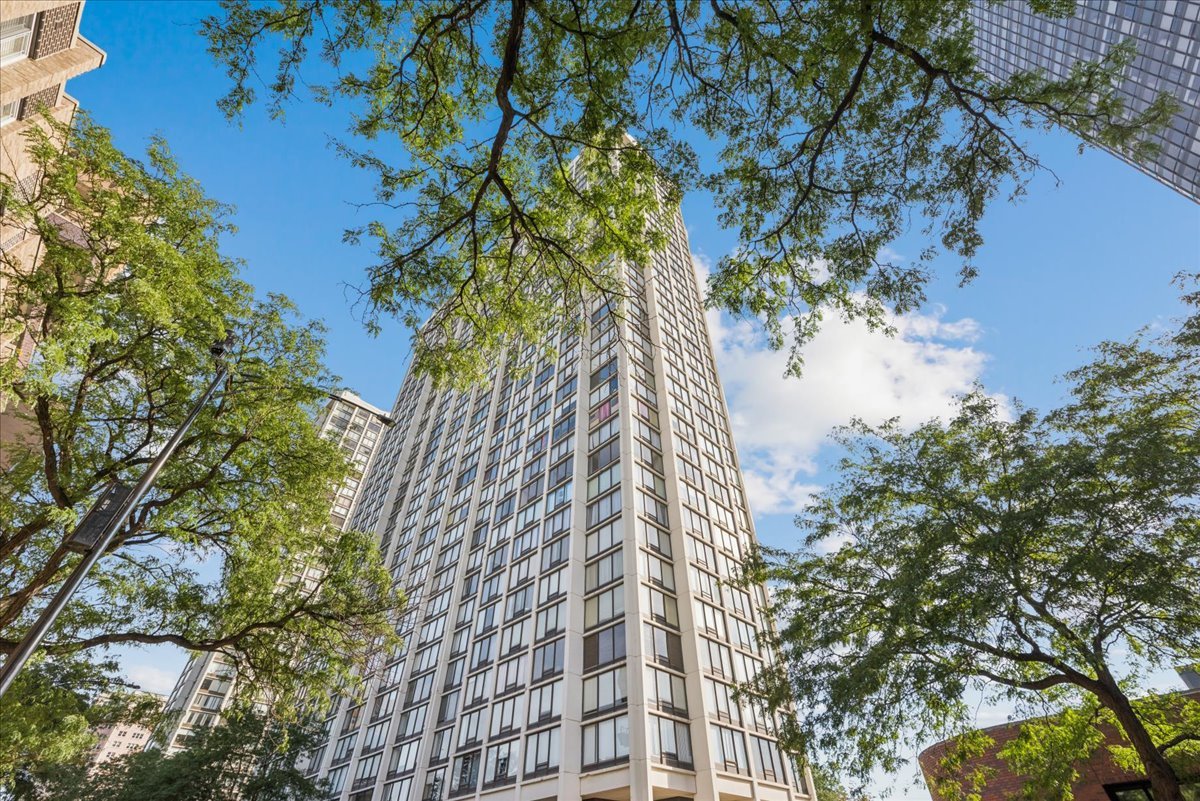
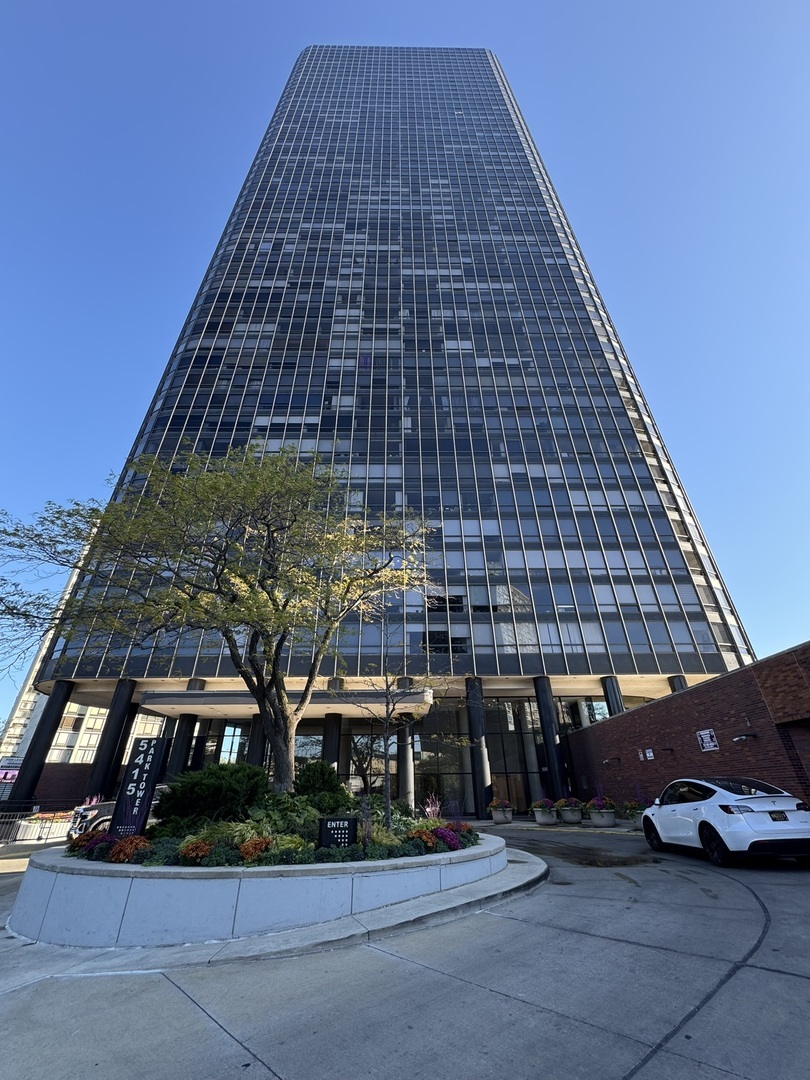
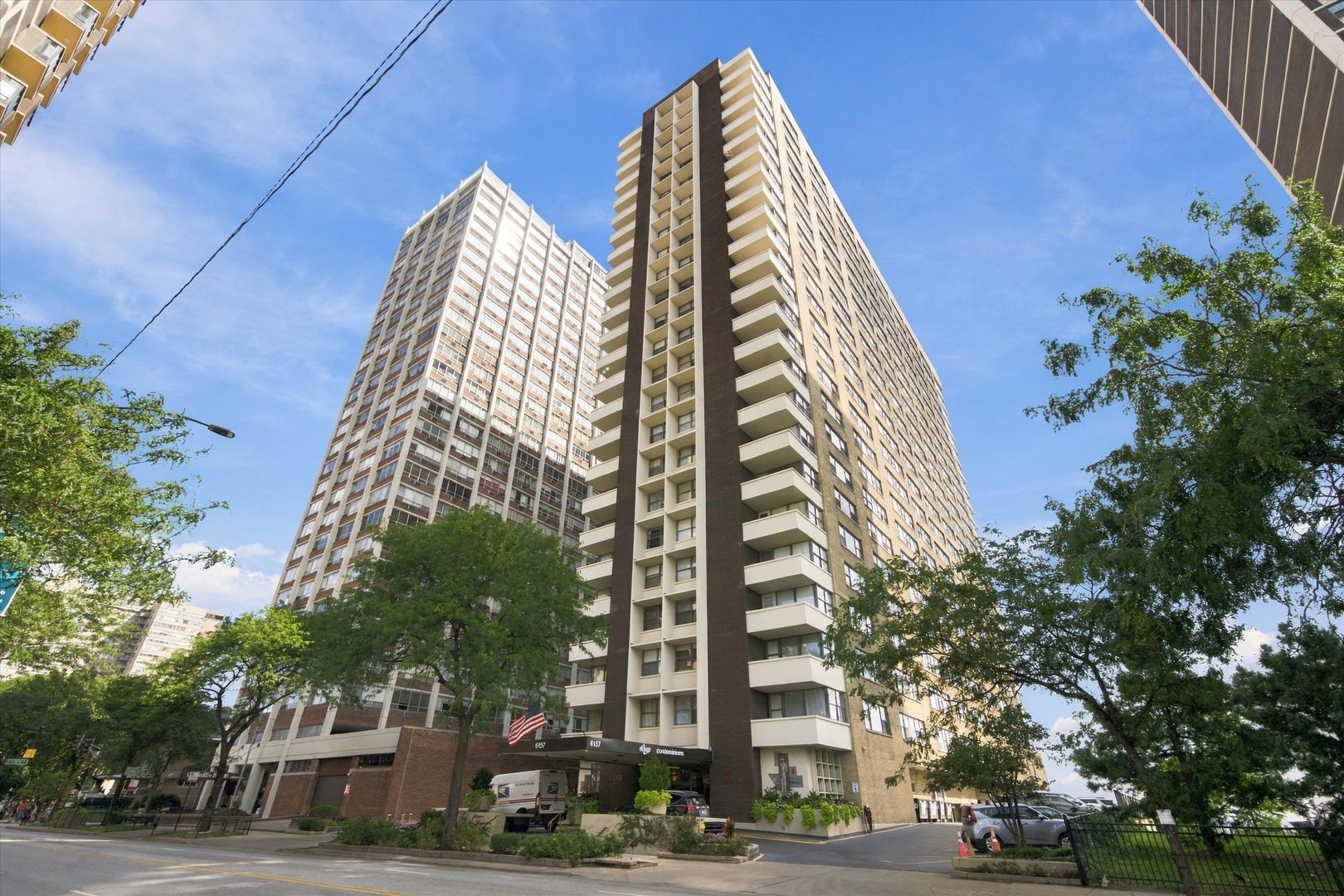
The comeback took decades, but it held. A resurgence began in the 1970s as high-rise condos were built along the lake, and in the 1980s Chicago's City Council helped new businesses establish themselves in the area. Loyola University also began encouraging students and faculty to embrace Edgewater during this period. The push for formal recognition culminated in 1980, when Edgewater became Chicago's 77th and final officially designated community area, separating at last from Uptown after decades of advocacy by residents who knew they lived somewhere different.
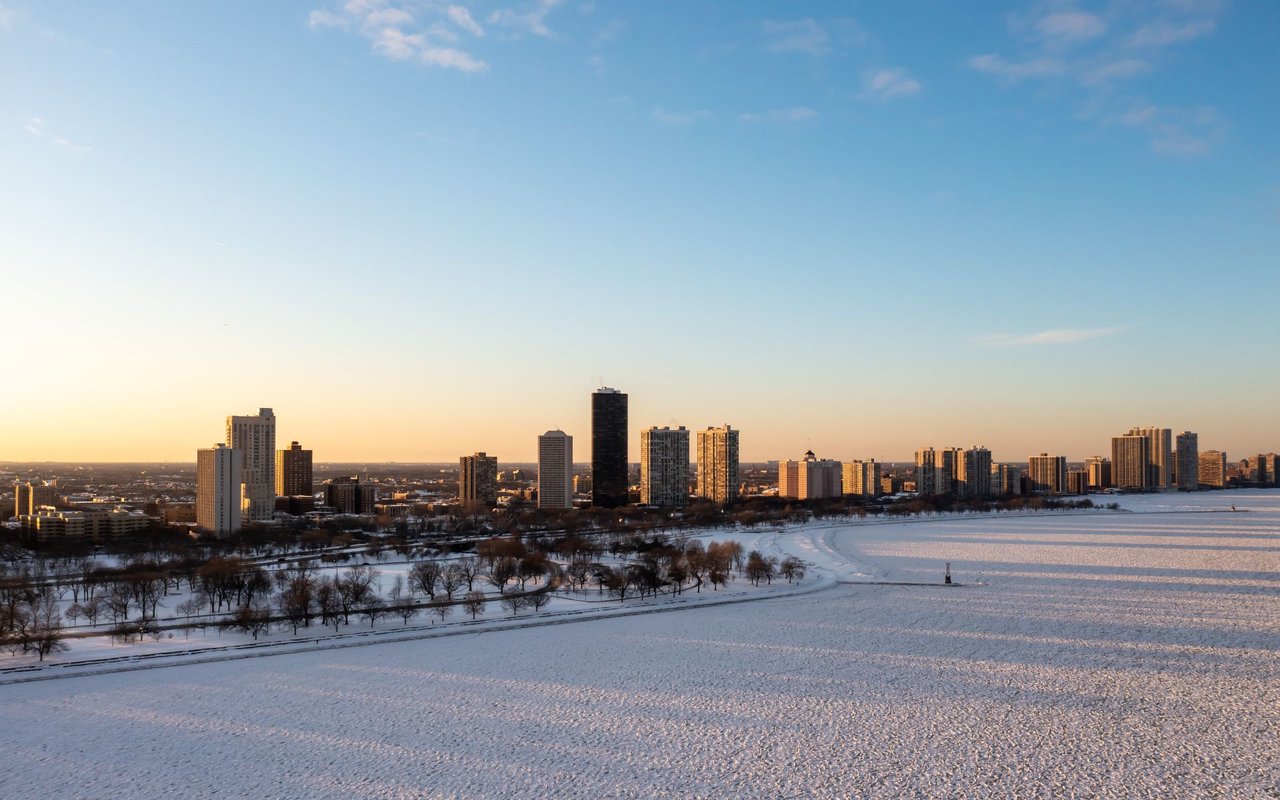
Today Edgewater sits six miles north of the Loop, bounded by Foster Avenue to the south, Devon Avenue to the north, Ravenswood Avenue to the west, and Lake Michigan to the east. It contains several distinct sub-neighborhoods: Andersonville to the northwest, Edgewater Glen in the center, and the Edgewater Beach area along the lakefront. Broadway runs north and south as the main commercial corridor, separating the high-rise lakefront from the lower-scale residential blocks to the west. The Red Line runs underneath it, making the neighborhood one of the better-connected on the North Side.
If you're browsing Edgewater homes for sale, that mix of lakefront high-rises, historic districts, and transit access is exactly why buyers keep circling back to this stretch of the North Side.
The housing stock in Edgewater is one of its defining features, and it spans more range than most people expect.
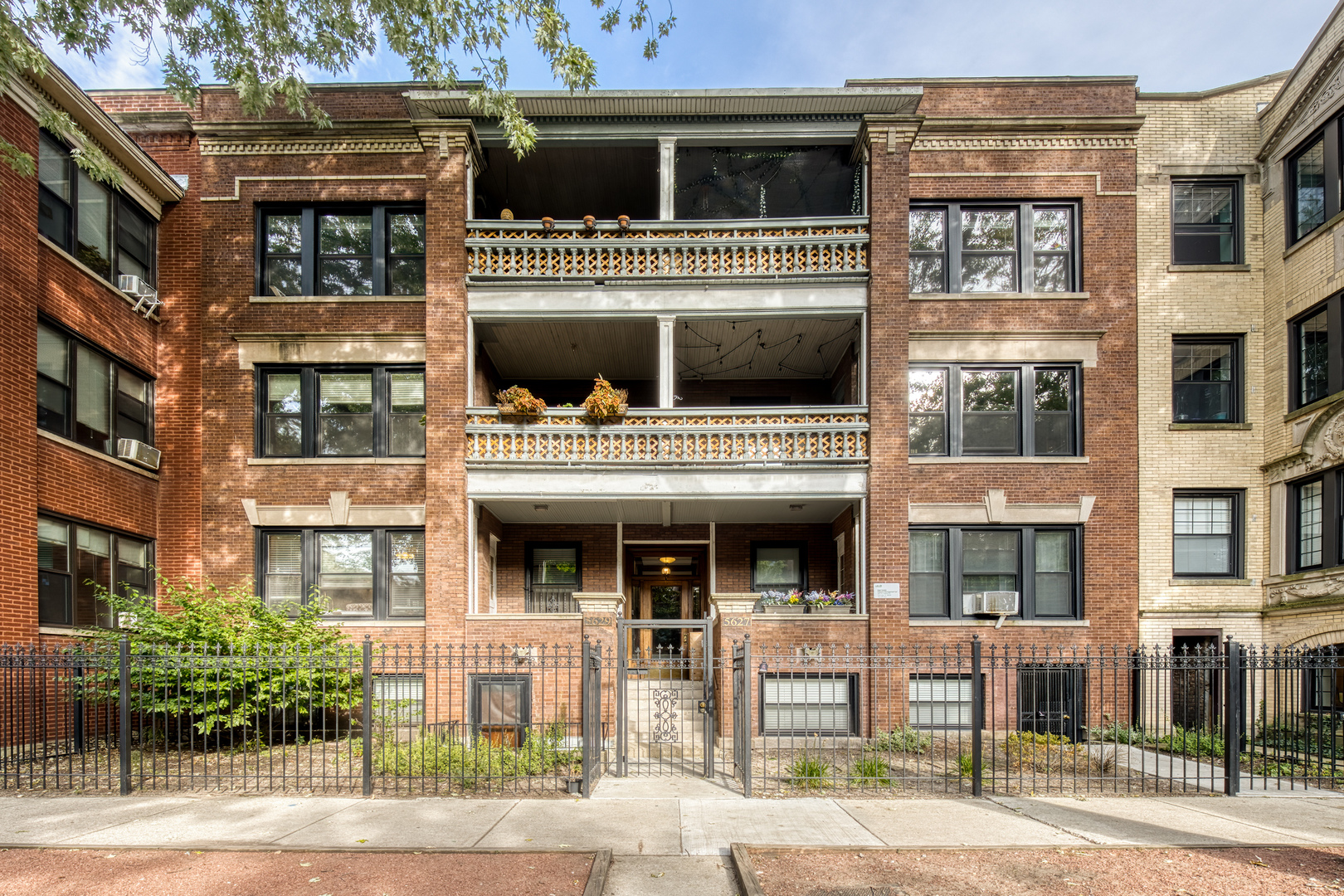
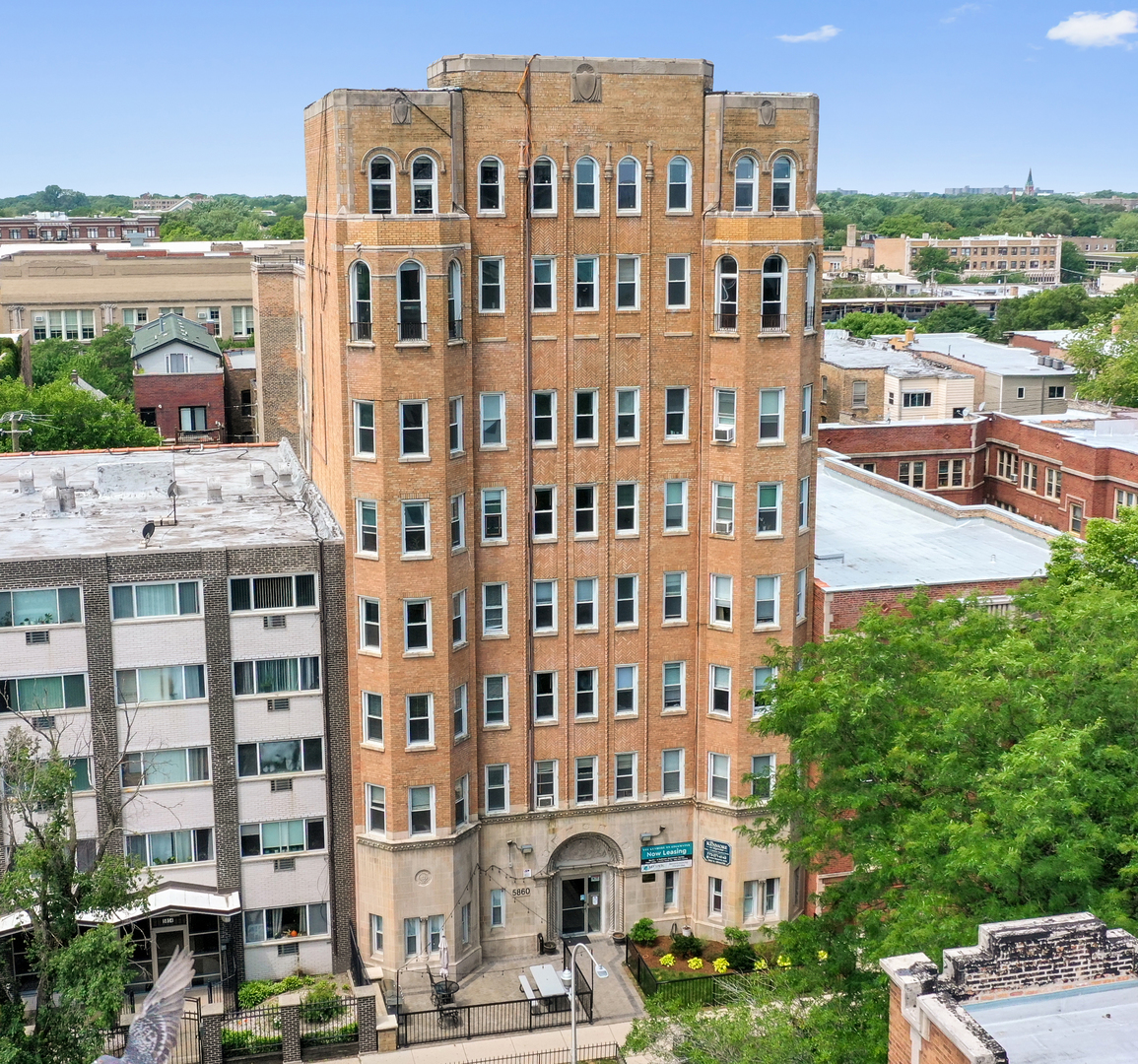
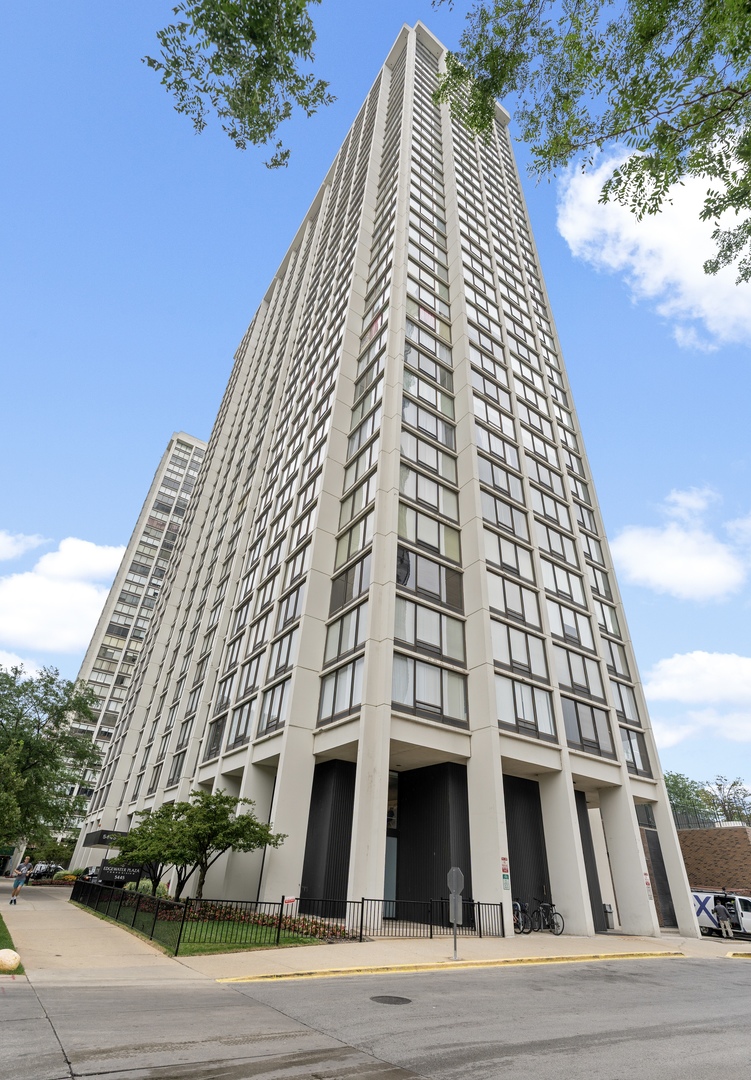
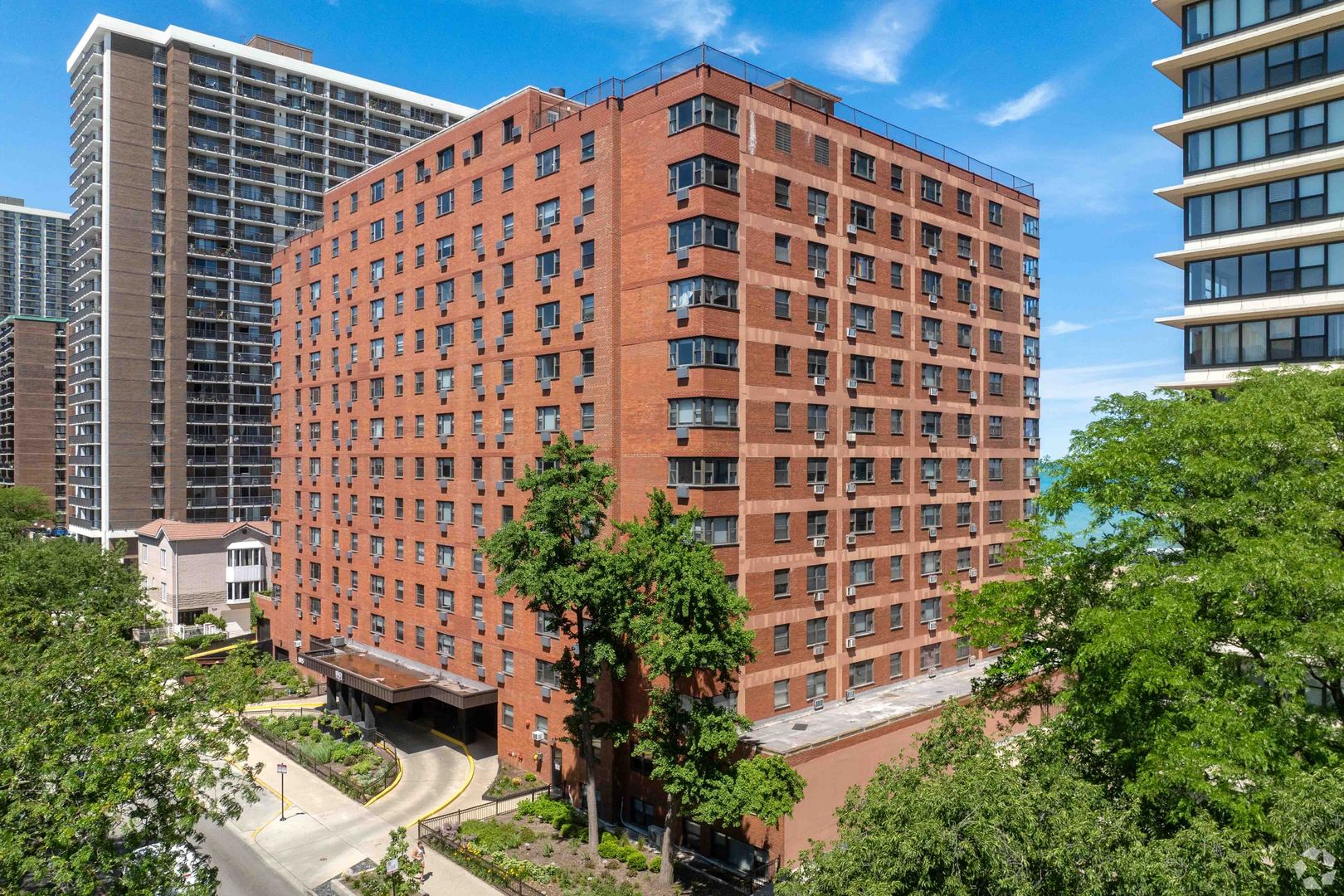
The neighborhood offers a mix of lakefront high-rises and condos, vintage two- and three-flats, greystones, and newly built single-family homes. The Lakewood Balmoral Historic District, listed on the National Register of Historic Places, contains homes built between 1895 and 1920 representing Queen Anne, American Foursquare, Arts and Crafts, and Prairie styles. The Bryn Mawr Historic District adds another layer, with stunning Art Deco commercial buildings that give the main corridor a distinctive early 20th-century character. In 2024, Edgewater Glen was officially added to the National Register of Historic Places as well, recognizing its collection of well-preserved single-family homes and tree-lined blocks.
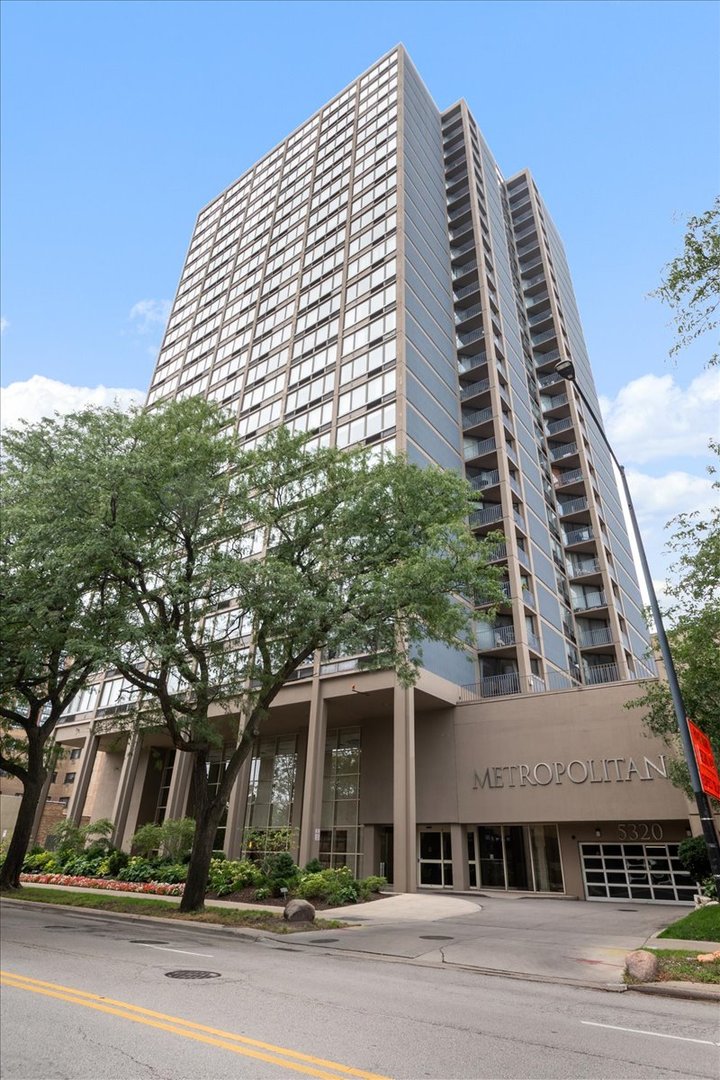
The market covers a wide range of price points. The median sale price per square foot sits around $259, with homes averaging about 66 days on market. Condos, especially in the high-rise buildings east of Broadway, offer accessible entry points to North Side lakefront living. Single-family homes in the historic districts command significantly higher prices and tend to move quickly when they come available.
Edgewater ranks high across all accessibility measures, with a bike score of 85, a transit score of 72, and a walk score of 89, making it one of the most walkable neighborhoods in Chicago. Four Red Line stations serve the neighborhood: Berwyn, Bryn Mawr, Thorndale, and Granville. The 147 express bus runs along Lake Shore Drive directly to Michigan Avenue. Residents who prefer two wheels have access to dedicated bike lanes, Divvy stations, and the Lakefront Trail, which originates in Edgewater and stretches 18 miles south.
Edgewater's commercial life is split between two distinct corridors, each with its own personality.
Broadway is the main artery, lined with restaurants, cafes, bars, and a concentration of antique and vintage shops that draws buyers from across the city. Broadway Antique Market is the largest and oldest antique store in Chicago. Brownstone Antiques on Clark Street, Andy's Art, Antique and Oddities, and Green Element Resale add to what has quietly become one of the best stretches for vintage shopping in the metro area.
For dining, Broadway punches well above its profile. Ethiopian Diamond has been a neighborhood anchor for years and draws diners from across the city. Moody's Tavern is regularly cited as one of Chicago's best burger spots. Lickity Split serves homemade custard from a location that has become something of a neighborhood institution. The range of dining options on and around Broadway covers casual to serious, quick to sit-down, and spans multiple culinary traditions.
Edgewater is recognized for its storefront theater district, home to more than twenty theater companies performing innovative productions in intimate venues. Companies including Invictus Theatre, Raven Theatre, and Babes with Blades Theatre Company produce Jeff Award-nominated work year-round. Jackalope Theatre has been incubating new work since 2008. The Berger Park Cultural Center on the lakefront offers additional arts programming and event space in a historic setting.
For outdoor life, Edgewater has more lakefront access than its relatively compact footprint might suggest. Foster Beach and Osterman Beach both sit within the neighborhood and offer swimming, volleyball, and rental kayaks in summer. The Edgewater Farmers Market runs Saturdays from June through October with fresh produce, baked goods, and live music. Lincoln Park, Chicago's largest park, begins at Edgewater's southern boundary and stretches seven miles toward downtown along the water.
The Edgewater Historical Society maintains a museum at 5358 N. Ashland Ave. and regular programming that documents the neighborhood's architectural and civic history. The Edgewater Glen Association organizes seasonal events, beautification initiatives, and an annual home tour that opens some of the historic district's most significant properties to the public each September.
Edgewater was built with a specific vision in mind, and more than a century later, the bones of that vision are still visible. The architecture is exceptional. The lakefront access is immediate. The transit connections are among the best on the North Side. And for buyers who want genuine Chicago character at a wider range of price points than neighboring Andersonville, Edgewater is worth a serious look.
Ready to explore homes for sale in Edgewater? Browse current listings below, or reach out to discuss what's available and what fits your goals.
Edgewater covers a wide price range, from lakefront high-rise condos to single-family homes in the historic districts. The median sale price per square foot runs around $259, with homes averaging about 66 days on market. Historic district homes tend to move fastest when they come up, so it helps to know which pocket of the neighborhood you want before you start touring.
Yes, and they're one of the more accessible entry points to North Side lakefront living. Most of the condo inventory is in the high-rise buildings east of Broadway, closest to the lake, with vintage two- and three-flat conversions available further west.
They border each other, with Andersonville sitting in Edgewater's northwest corner, but they have different characters. Edgewater covers a wider range of price points and housing types, from lakefront high-rises to historic single-family districts, while Andersonville is smaller and more uniformly built around its Clark Street business strip.
Very. Edgewater posts a walk score of 89, a bike score of 85, and a transit score of 72, with four Red Line stations (Berwyn, Bryn Mawr, Thorndale, and Granville) inside the neighborhood. The Lakefront Trail also starts here, giving residents 18 miles of car-free access south along the water.
49,255 people live in Edgewater, where the median age is 41 and the average individual income is $52,112. Data provided by the U.S. Census Bureau.
Total Population
Median Age
Population Density Population Density This is the number of people per square mile in a neighborhood.
Average individual Income
There's plenty to do around Edgewater, including shopping, dining, nightlife, parks, and more. Data provided by Walk Score and Yelp.
Explore popular things to do in the area, including Original Bakers Delight Carry-Out, America Grocery, and Granville L News Stand.
| Name | Category | Distance | Reviews |
Ratings by
Yelp
|
|---|---|---|---|---|
| Dining | 0.36 miles | 1 review | 3/5 stars | |
| Dining | 0.41 miles | 0 reviews | 0/5 stars | |
| Dining | 0.44 miles | 0 reviews | 0/5 stars | |
| Dining | 0.53 miles | 0 reviews | 0/5 stars | |
| Dining | 0.69 miles | 0 reviews | 0/5 stars | |
| Dining · $$ | 0.72 miles | 7 reviews | 3.3/5 stars | |
| Shopping | 0.46 miles | 0 reviews | 0/5 stars | |
| Active | 0.32 miles | 23 reviews | 4.5/5 stars | |
| Nightlife | 0.25 miles | 0 reviews | 0/5 stars | |
| Beauty | 0.12 miles | 0 reviews | 0/5 stars | |
| Beauty | 0.12 miles | 5 reviews | 3.2/5 stars | |
| Beauty | 0.27 miles | 0 reviews | 0/5 stars | |
| Beauty | 0.4 miles | 2 reviews | 5/5 stars | |
| Beauty | 0.41 miles | 0 reviews | 0/5 stars | |
| Beauty | 0.44 miles | 0 reviews | 0/5 stars | |
| Beauty | 0.72 miles | 0 reviews | 0/5 stars | |
|
|
||||
|
|
||||
|
|
||||
|
|
||||
|
|
||||
|
|
Edgewater has 26,428 households, with an average household size of 2. Data provided by the U.S. Census Bureau. Here’s what the people living in Edgewater do for work — and how long it takes them to get there. Data provided by the U.S. Census Bureau. 49,255 people call Edgewater home. The population density is 66,966 and the largest age group is Data provided by the U.S. Census Bureau.
Total Population
Population Density Population Density This is the number of people per square mile in a neighborhood.
Median Age
Men vs Women
Population by Age Group
0-9 Years
10-17 Years
18-24 Years
25-64 Years
65-74 Years
75+ Years
Education Level
Total Households
Average Household Size
Average individual Income
Households with Children
With Children:
Without Children:
Marital Status
Blue vs White Collar Workers
Blue Collar:
White Collar: