Andersonville started as farmland and cherry orchards on the far edge of Chicago, well outside the city limits. That changed after the Great Chicago Fire of 1871. The city outlawed new wooden construction within its borders, and Swedish immigrants who couldn't afford brick or stone moved north to build here instead, where no such rule applied.
The neighborhood is named for John Anderson, a Swedish-born farmer who settled the area and served as highway commissioner in the 1850s. By 1900, an estimated 150,000 people of Swedish descent lived in and around Andersonville, making it the second-largest concentration of Swedes outside Stockholm itself. Businesses like Lind & Severin Hardware and Simon's Tavern, opened in 1919 as a grocery store that quietly sold whiskey during Prohibition, anchored the commercial strip on Clark Street.
The Depression and the postwar move to the suburbs thinned out the Swedish population, and Andersonville's business district struggled through the 1950s. In 1964, Mayor Richard J. Daley and Governor Otto Kerner attended a ceremony rededicating Andersonville as an official Chicago neighborhood. The following summer, the community revived the Swedish midsummer tradition as Midsommarfest, now one of the city's largest street festivals.
Andersonville added another layer to its identity in the 1980s and 90s, as new independent bars, bookstores, and small businesses opened along Clark Street. Women & Children First bookstore relocated here in 1990 and remains one of the largest independent bookstores in the country. In 2010, Andersonville was named a National Commercial Historic District.
If you're browsing Andersonville homes for sale, that layered history is part of what you're buying into. Few Chicago neighborhoods pack this much independent business and architectural character into a few walkable blocks.
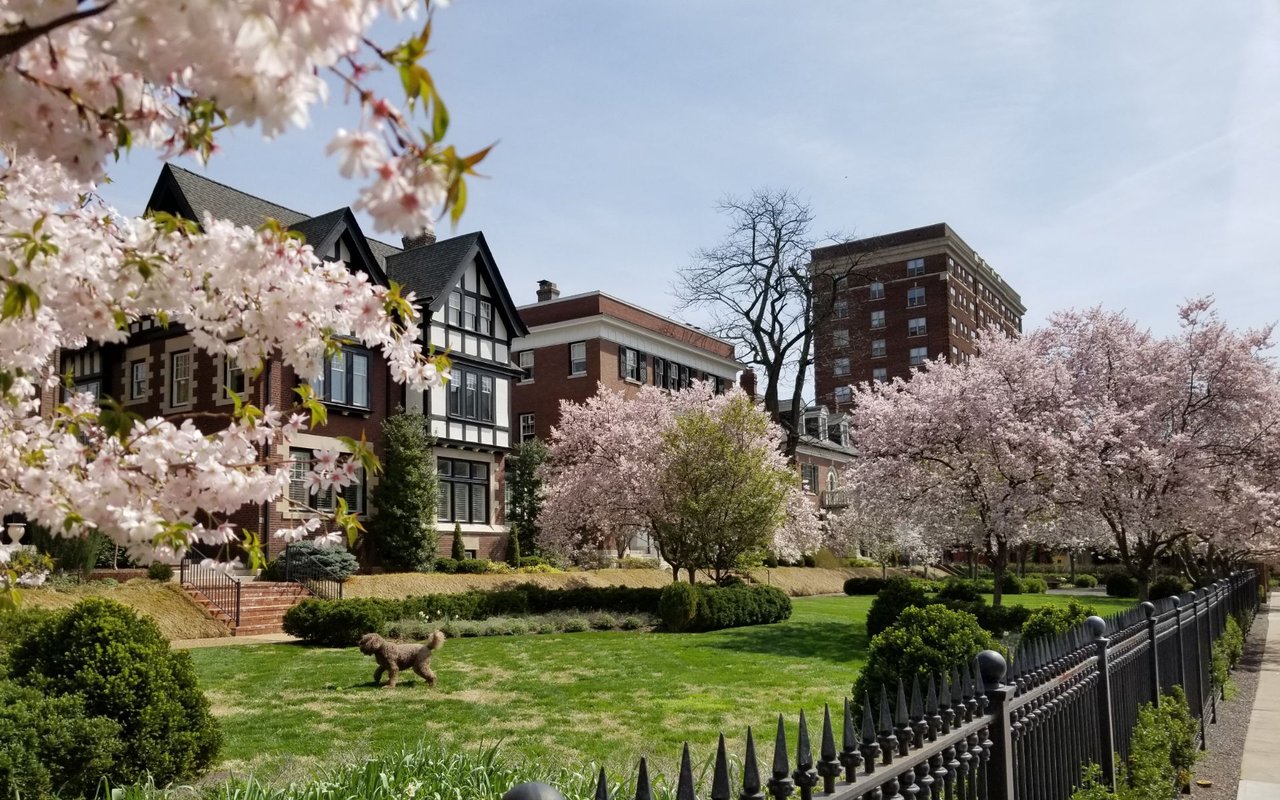
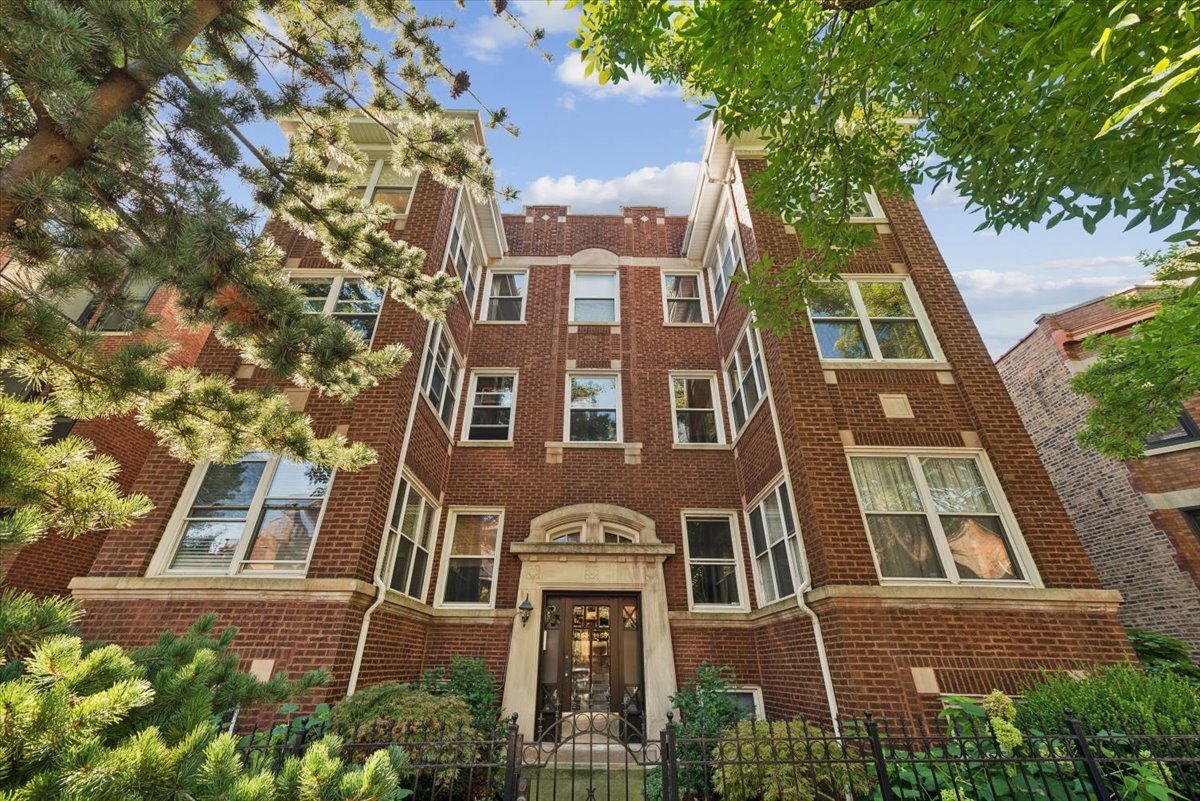
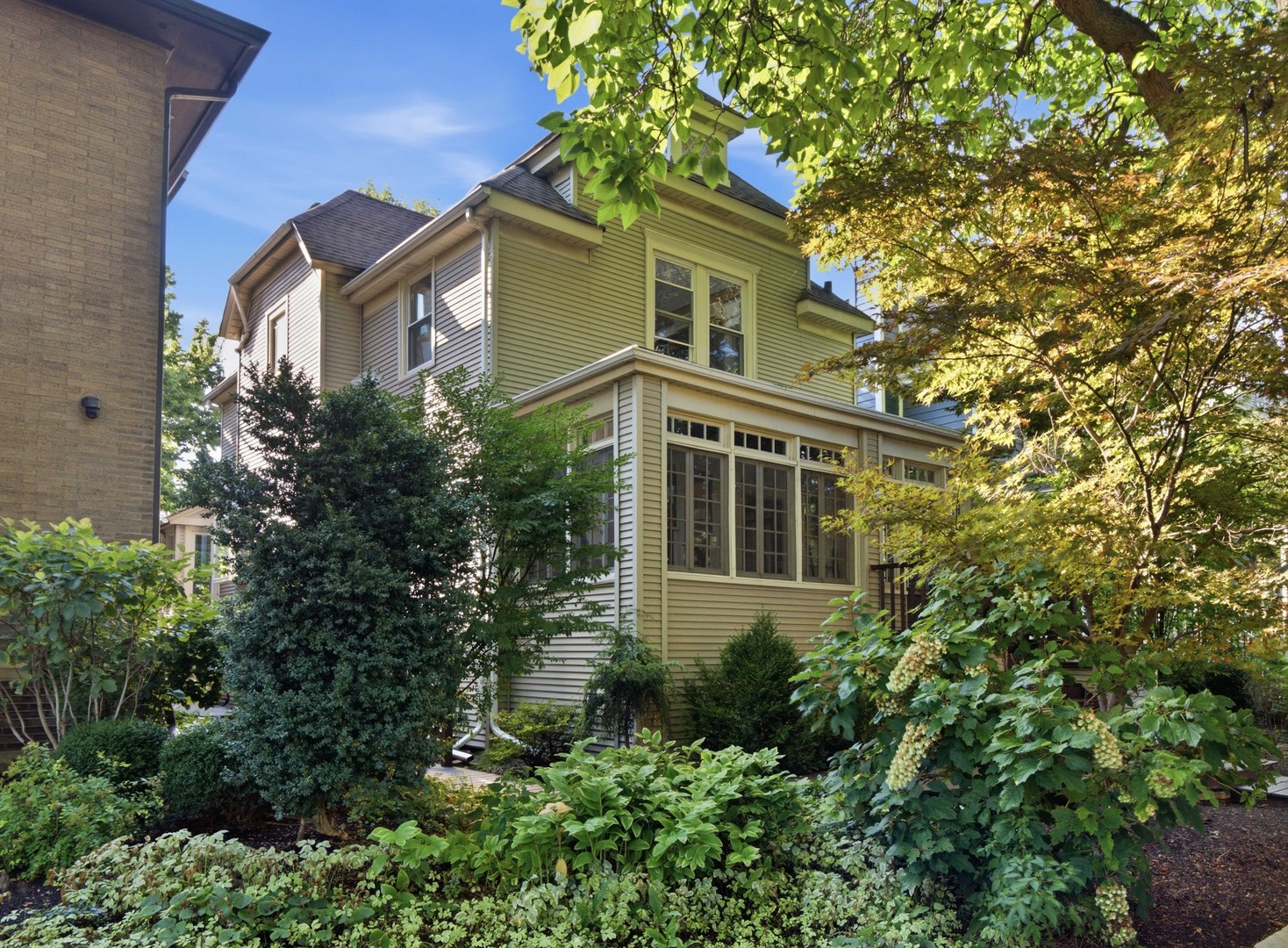
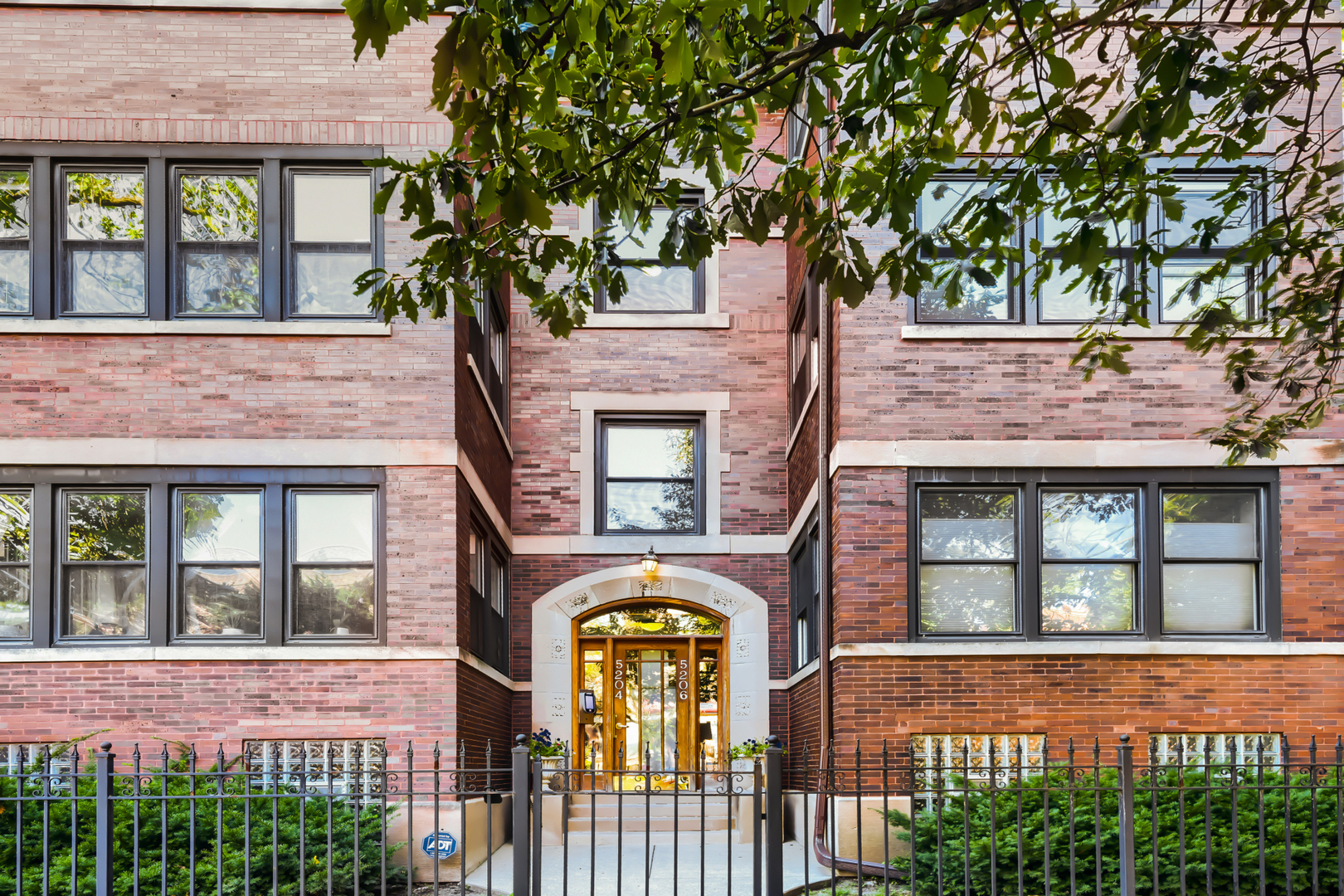
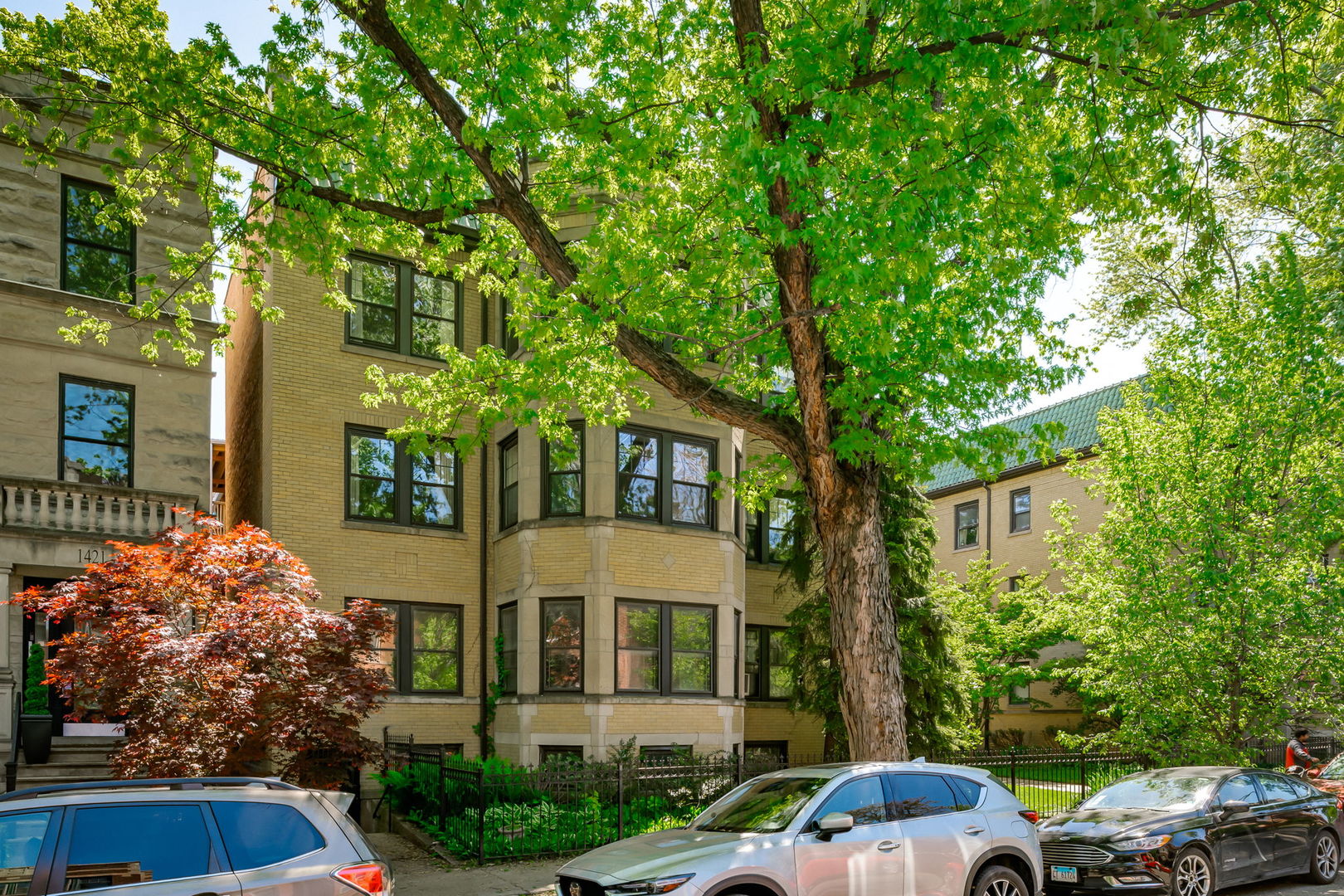
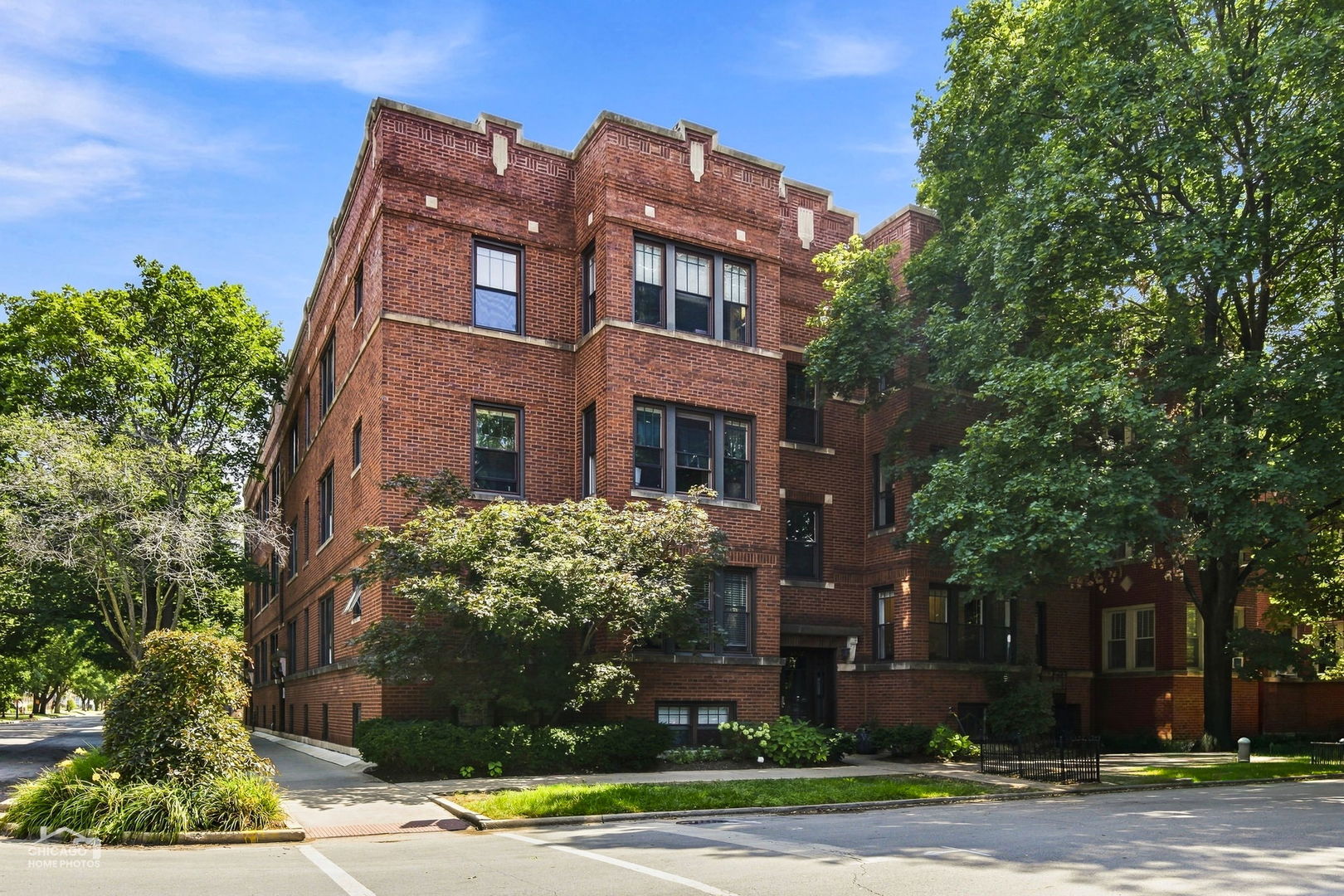
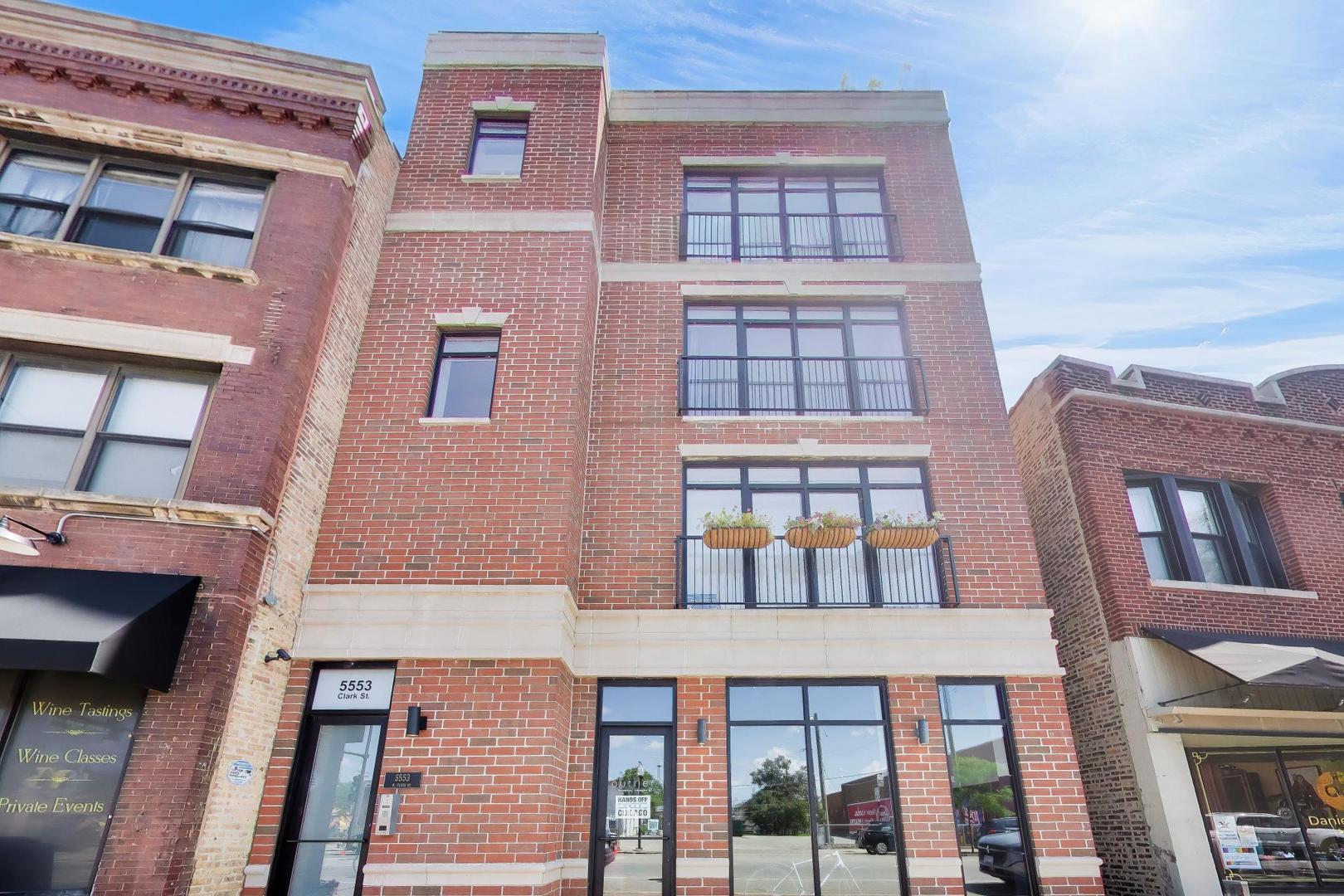
Housing in Andersonville runs from classic Chicago two-flats and courtyard buildings to renovated single-family homes and newer infill construction. Many blocks retain their prewar character, with mature trees and a walkable grid that connects directly to the Clark Street business district.
The neighborhood sits within Edgewater, bordered by Uptown to the south and West Ridge to the west. It's served by the CTA Red Line at Berwyn, along with bus routes running the length of Clark Street and Foster Avenue.
Ask Michael for current sale prices, days on market, and inventory levels for Andersonville. Market data changes fast enough that it's worth a direct conversation instead of a stale number on a webpage.
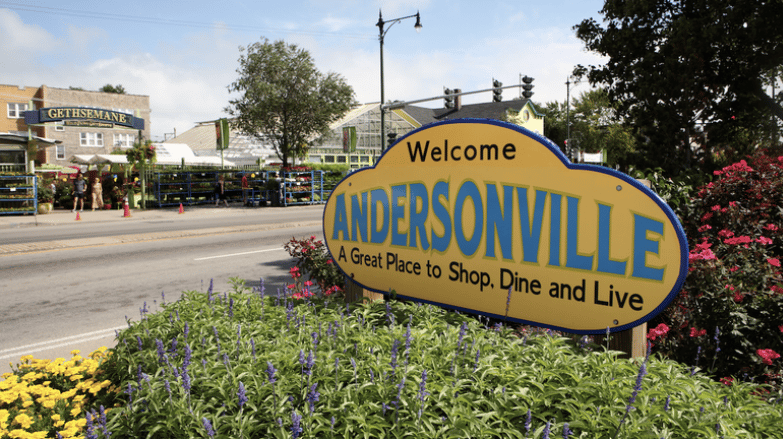
Clark Street is the heart of the neighborhood, and Andersonville has leaned into its identity as a "shop local" destination for independent business. The Swedish American Museum anchors the neighborhood's heritage, its water tower painted with the Swedish flag visible for blocks. Simon's Tavern still pours glögg in the winter. Hopleaf draws people from across the city for mussels and Belgian beer. Women & Children First remains one of the country's largest independent bookstores. Woolly Mammoth stocks taxidermy and antique oddities, and the Chicago Magic Lounge hosts close-up card tricks and full stage shows in a retro setting.
Midsommarfest runs every June, and the neighborhood hosts a full calendar of smaller festivals and markets throughout the year. Andersonville's independent business district has kept growing well beyond its original anchors, with new restaurants, boutiques, and specialty shops opening steadily along Clark Street.
For buyers who want walkability, independent business, and a neighborhood with a genuine sense of identity, Andersonville delivers on all three. Ready to see what's currently on the market? Browse Andersonville homes for sale below, or reach out and I'll walk you through what fits your budget and timeline.
Housing here is a mix of two-flats, courtyard buildings, and renovated single-family homes, most of it on a walkable grid a few blocks from Clark Street. Inventory turns over steadily rather than in a predictable seasonal pattern, so it's worth checking in on current listings and pricing directly rather than relying on outdated numbers.
Yes, though the neighborhood's stock leans toward two-flats and small multi-unit buildings more than large condo towers. Renovated vintage buildings near Clark Street are the most common condo option.
Very. The neighborhood posts some of the highest walk scores in Chicago, and the CTA Red Line stop at Berwyn plus bus routes along Clark Street and Foster Avenue make it easy to get around without a car.
The neighborhood is named for John Anderson, a Swedish-born farmer and highway commissioner who settled the area in the 1850s. By 1900 it held one of the largest concentrations of Swedish immigrants outside Stockholm, and that heritage is still visible today at the Swedish American Museum and the annual Midsommarfest.
6,891 people live in Andersonville, where the median age is 40 and the average individual income is $72,869. Data provided by the U.S. Census Bureau.
Total Population
Median Age
Population Density Population Density This is the number of people per square mile in a neighborhood.
Average individual Income
There's plenty to do around Andersonville, including shopping, dining, nightlife, parks, and more. Data provided by Walk Score and Yelp.
Explore popular things to do in the area, including xXx Racing.
Andersonville has 3,557 households, with an average household size of 2. Data provided by the U.S. Census Bureau. Here’s what the people living in Andersonville do for work — and how long it takes them to get there. Data provided by the U.S. Census Bureau. 6,891 people call Andersonville home. The population density is 21,130 and the largest age group is Data provided by the U.S. Census Bureau.
Total Population
Population Density Population Density This is the number of people per square mile in a neighborhood.
Median Age
Men vs Women
Population by Age Group
0-9 Years
10-17 Years
18-24 Years
25-64 Years
65-74 Years
75+ Years
Education Level
Total Households
Average Household Size
Average individual Income
Households with Children
With Children:
Without Children:
Marital Status
Blue vs White Collar Workers
Blue Collar:
White Collar: