Between the late 1830s and his death in 1856, Irishman Phillip Rogers purchased approximately 1,600 acres of government land, part of which formed the basis of Rogers Park. In 1872, Rogers' son-in-law Patrick Touhy subdivided the land near the present-day intersection of Lunt and Ridge Avenues. Before that, the area was shaped by something older. The earliest residents were the Potawatomi, who established villages along the glacial ridge that is now Ridge Boulevard. The names Pottawattomie Park and Indian Boundary Park still reflect that history today.
During the mid-1800s, waves of immigrants from Luxembourg and Germany came to Rogers Park, where farming was the main industry. On April 29, 1878, Rogers Park was incorporated as a village of Illinois. In 1893, the village was annexed to Chicago.
The arrival of the elevated train changed everything. As the century turned, L service came to Rogers Park, and the neighborhood took off. The population jumped from 6,700 in 1910 to over 57,000 twenty years later. St. Ignatius College moved to the lakefront in 1912 and changed its name to Loyola University in 1915. The institution has been anchored in Rogers Park ever since.
Each decade brought new arrivals and new character. A post-World War I building boom led to rapid growth, and the community became home to a range of immigrants and their children. After the Crash of 1929, population growth slowed, and by the 1950s the area began losing long-time residents to Chicago's new suburbs. Successive waves of newcomers helped the neighborhood rebuild and redefine itself through the latter half of the 20th century.
Today, Rogers Park sits at Chicago's northern boundary, bordered by Evanston to the north and Lake Michigan to the east. It is one of Chicago's official 77 community areas and home to roughly 55,000 residents. The neighborhood's energy shows up in the food, the arts, the street murals, and the independent businesses that line Clark Street, Howard Street, and Glenwood Avenue.
What ties it all together is a stubborn commitment to being itself. Rogers Park prides itself on being the antithesis of the cookie-cutter community. People who live here tend to stay, and they tend to be vocal about it.
Rogers Park offers one of the most accessible entry points to homeownership on Chicago's North Side, with a housing stock that runs the full range from vintage courtyard buildings to renovated Victorians to newer construction.
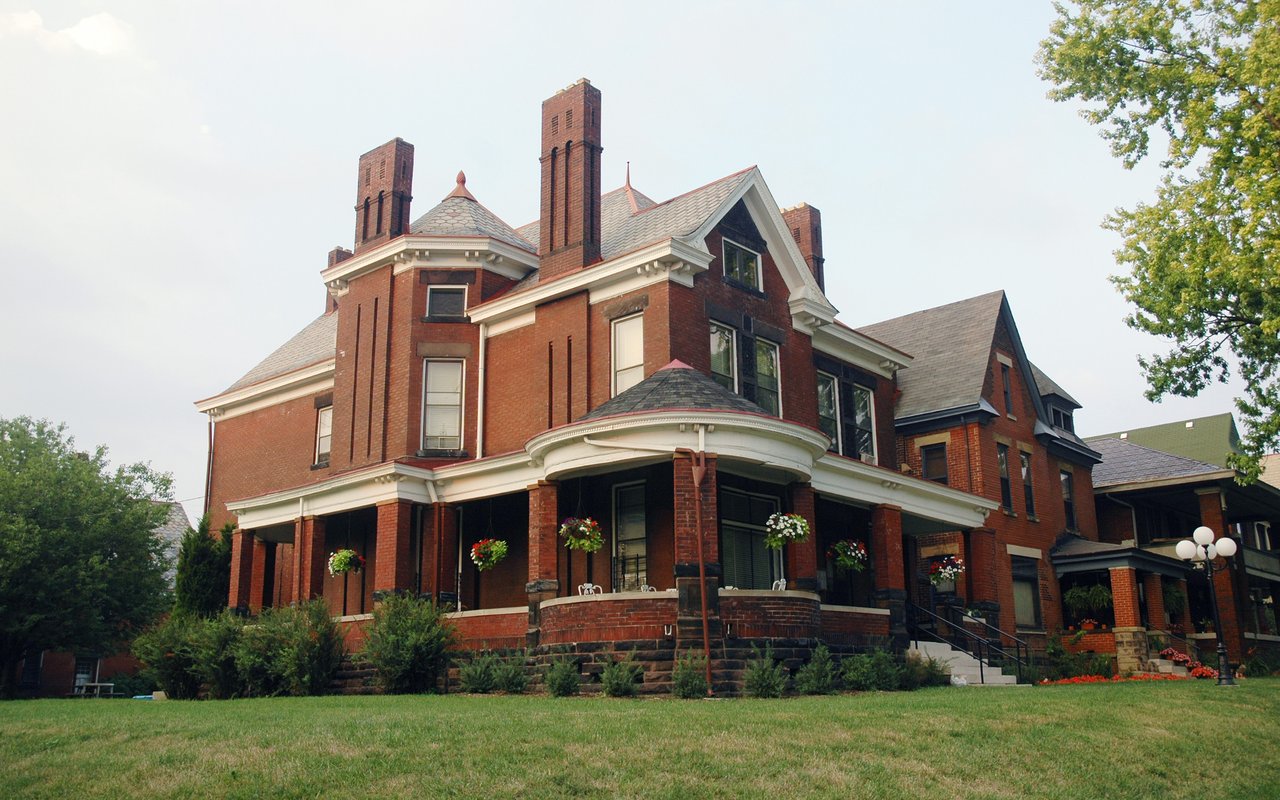
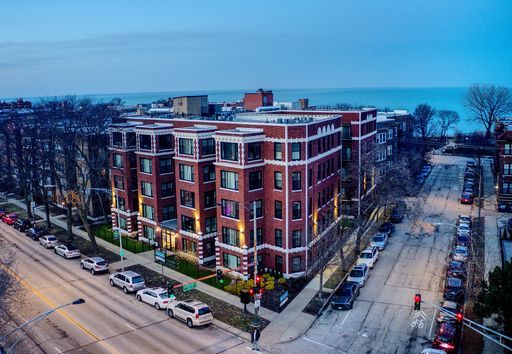
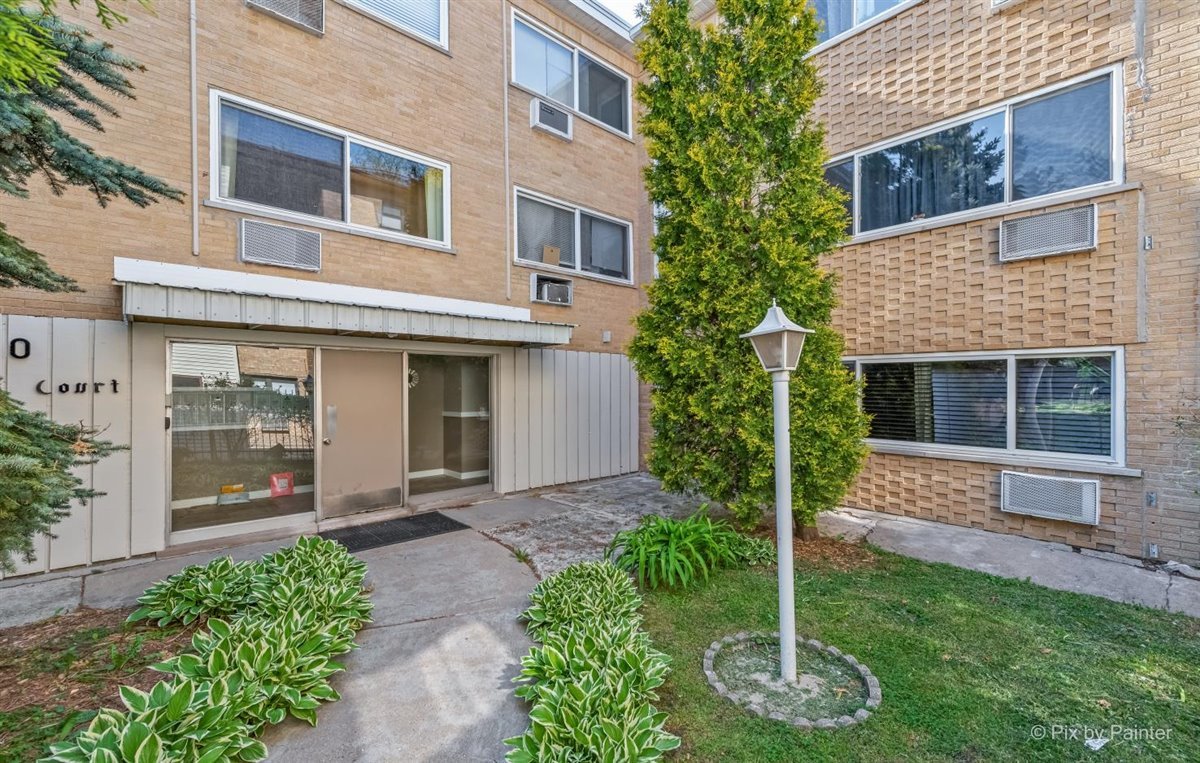
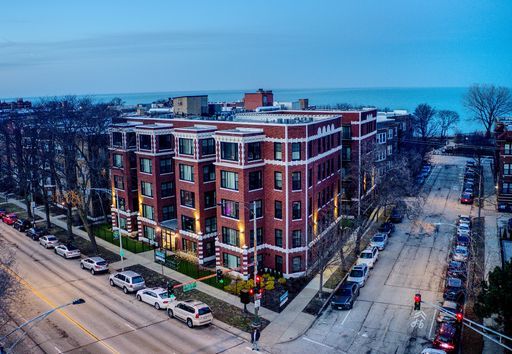
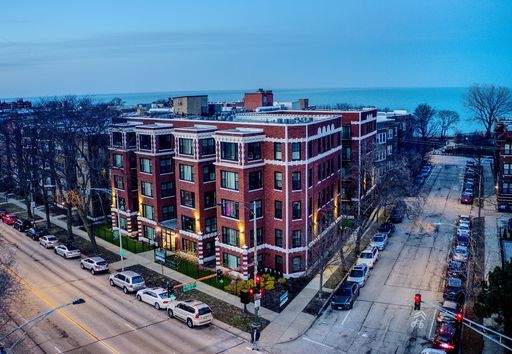
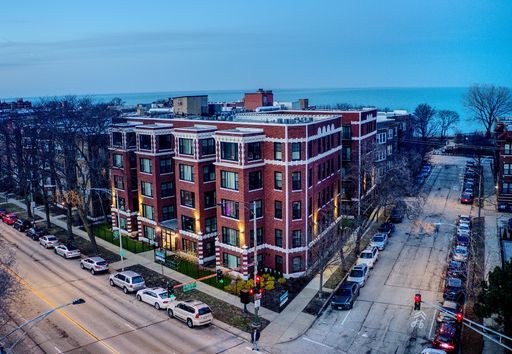
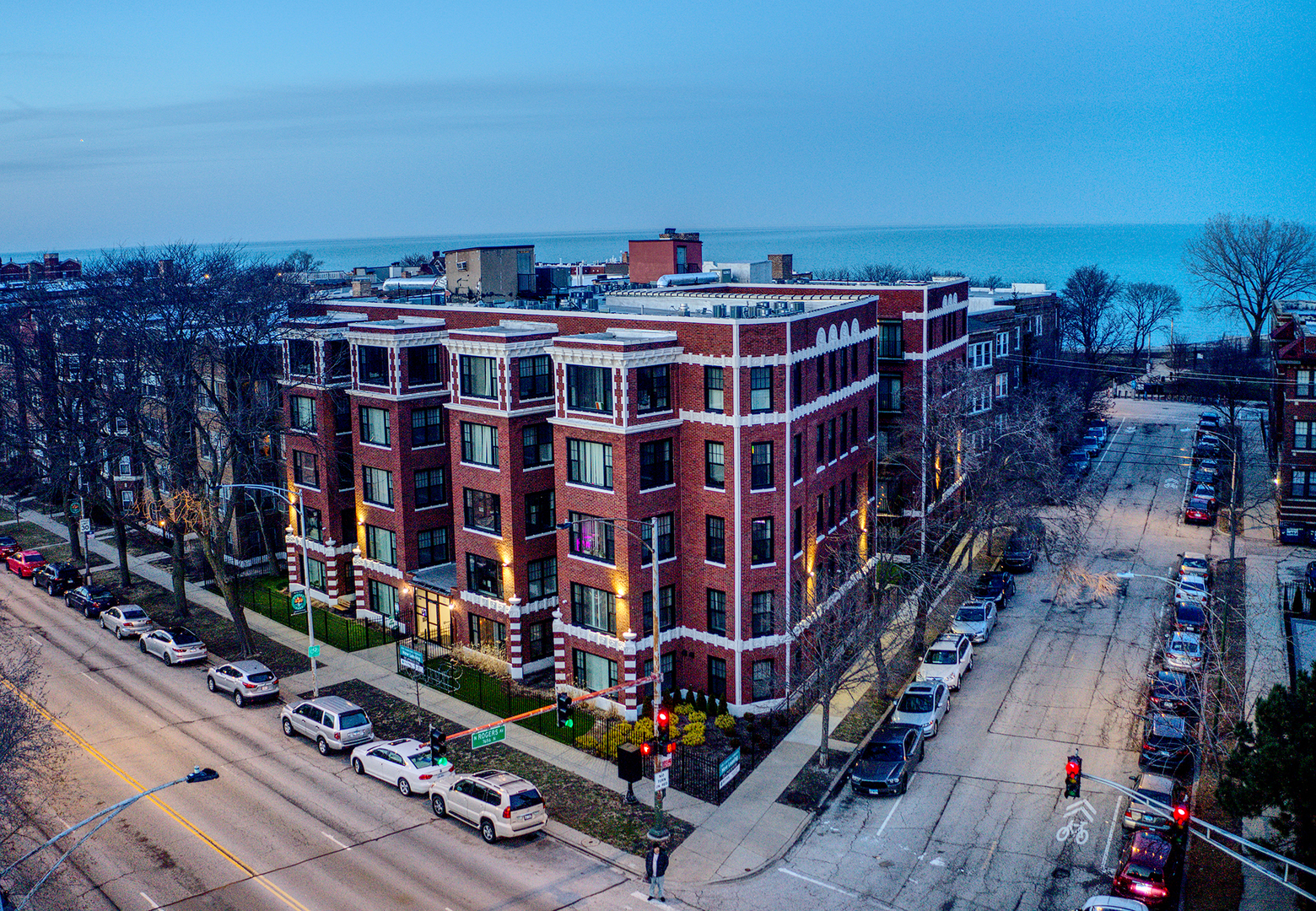
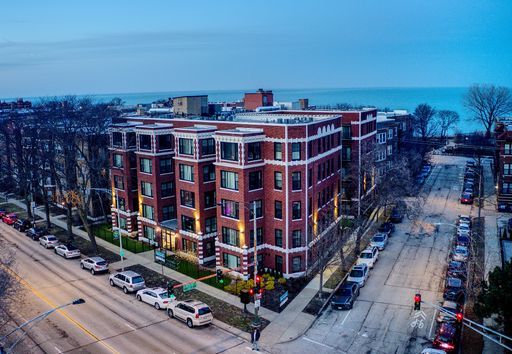
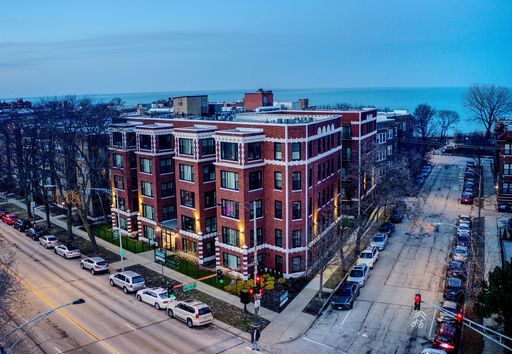
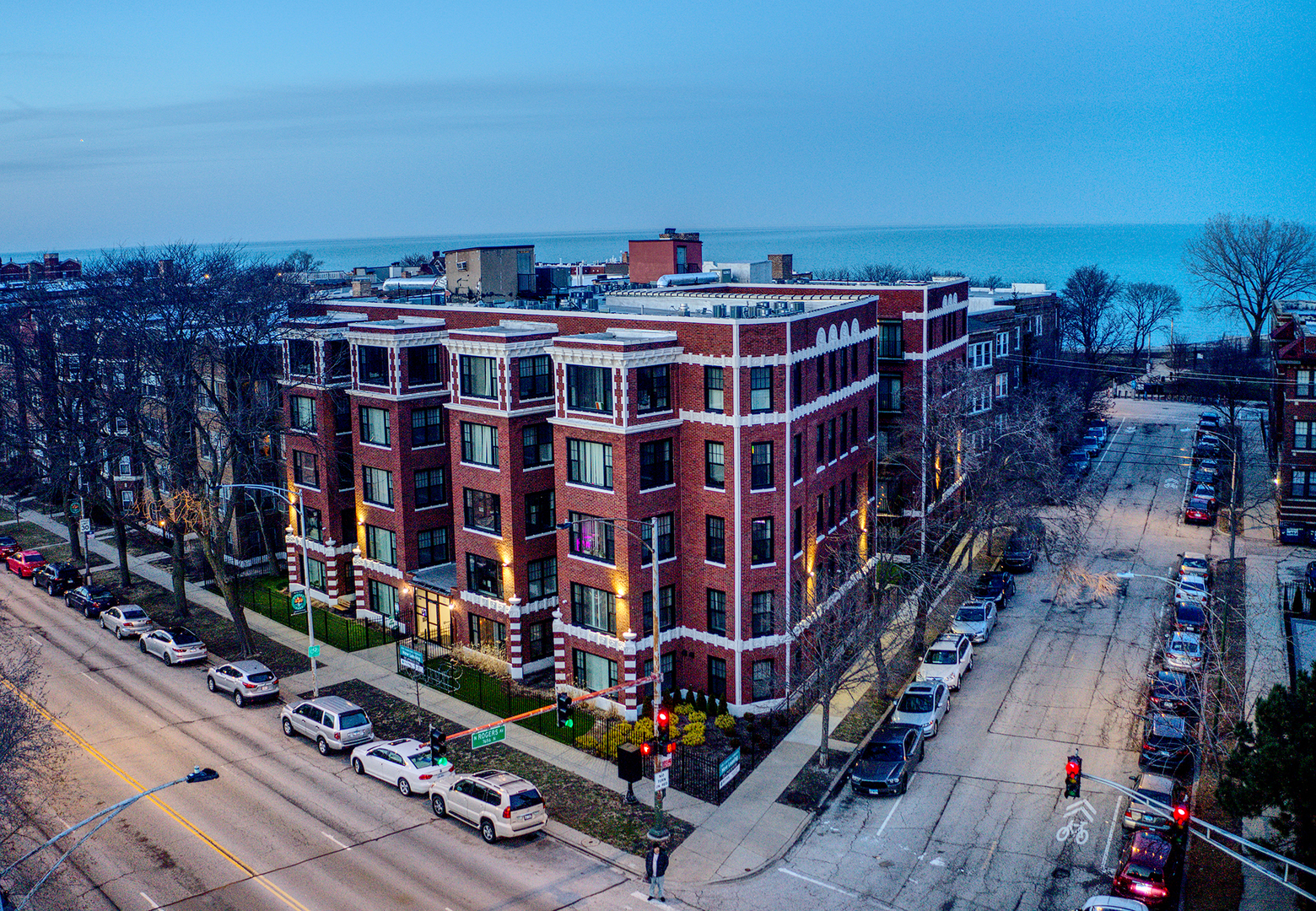
Most of the properties in Rogers Park are brick low- and mid-rise condo and apartment complexes. Some are standard Chicago two- and three-flats, but most are larger square buildings with more units. Single-family homes are interspersed among bigger buildings, ranging from cottages to American Foursquares and Victorians. Blocks near the lake tend to be especially well-preserved, with mature tree canopies and walkable access to the beach.
Home prices have been trending upward, with a recent median sale price around $280K, up over 13% from the prior year. The Uptown/Rogers Park submarket recorded one of the largest single-family price increases in the city, up over 17% year over year as of mid-2025. For buyers looking for value on the North Side with genuine upside, Rogers Park warrants a serious look.
The neighborhood is highly walkable. The CTA provides Red Line service with stations at Howard, Jarvis, Morse, and Loyola, offering convenient access to downtown Chicago. Metra also serves the neighborhood, and an extensive bike network connects residents to the lakefront trail, Red Line stations, and key commercial corridors.
Rogers Park has over 130 restaurants, coffee shops, and cafes and has been ranked very walkable by Walk Score. The dining options span a wide range of cuisines and price points, from neighborhood staples to destinations worth a trip from anywhere in the city.
The arts anchor is the Glenwood Avenue Arts District. The district stretches along Glenwood Ave at Morse Ave, an urban corridor of mixed-use buildings with cobblestone streets, murals on the elevated train embankments, and quaint storefronts. It is home to two award-winning theaters, Lifeline Theatre and Rhapsody Theatre, along with a variety of live music venues, art studios, and galleries.
The Mile of Murals, a community-based public art initiative along Glenwood Avenue, totals over 14,000 square feet of painted walls across 14 large-scale works spanning five block-long pieces, seven viaducts, and one overpass. It is one of the most significant public art installations of its kind in Chicago.
Jarvis Square is a bustling commercial corridor near the Red Line with boutiques, antiques shops, restaurants, pubs, a theater, and coffee shops, with year-round events including artisan markets, Oktoberfest, movie nights, and live music.
The Glenwood Sunday Market runs on Sunday mornings through the fall season, offering local and sustainable produce and goods. The annual Glenwood Avenue Arts Fest, held each August, brings over 100 artists to the neighborhood for a free weekend festival of handmade goods, live music, and studio tours.
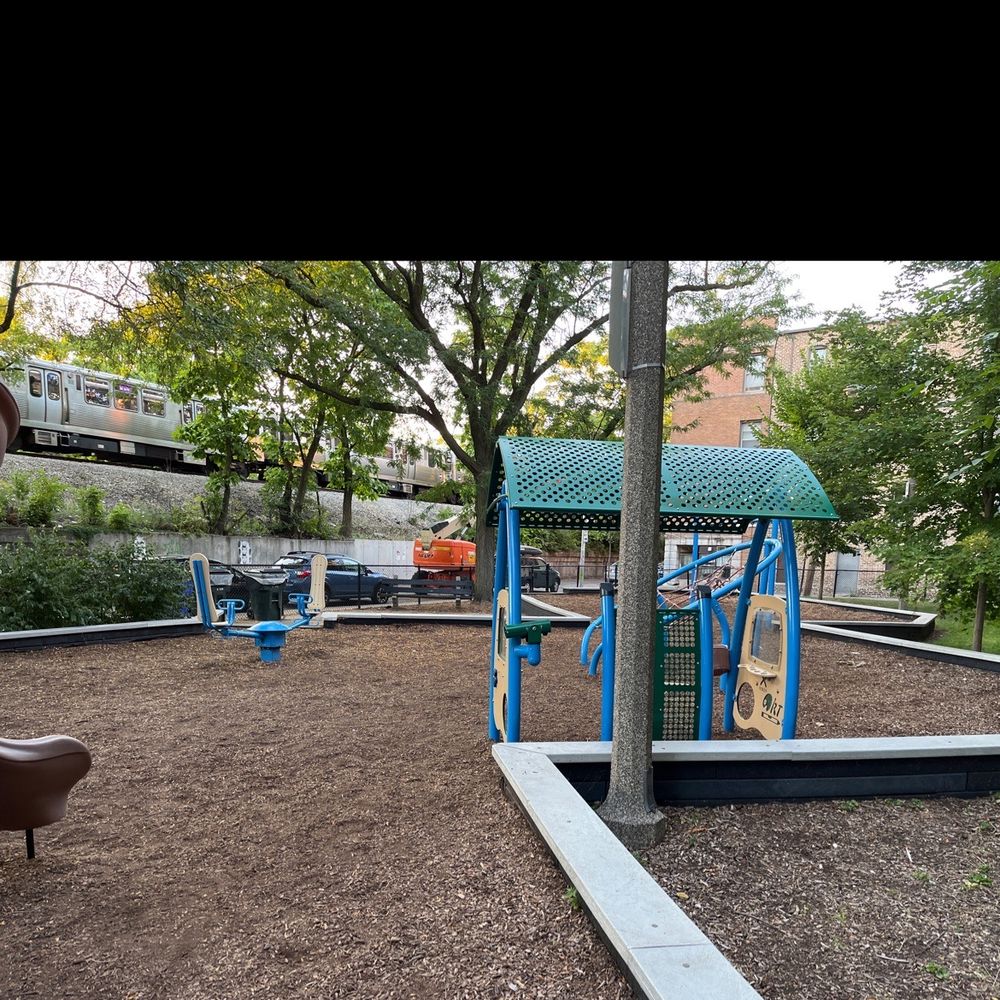
For green space and beaches, Rogers Park delivers more lakefront access than almost any other North Side neighborhood. Loyola Park spans over 40 acres and includes sports fields, a beach with summer lifeguards, and a fieldhouse. Pottawattomie Park, Pratt Beach, Hartigan Beach, and several smaller parks round out the outdoor options.
This is a neighborhood that has been shaped by waves of newcomers, civic investment, and an arts community that refuses to go anywhere. The housing market is one of the most compelling value stories on Chicago's North Side, and the lakefront access is the real deal. For buyers who want character, community, and room to grow without Lakeview prices, Rogers Park delivers.
Mostly condos and apartment-style buildings, brick low- and mid-rise courtyard buildings and standard Chicago two- and three-flats make up most of the inventory, with single-family cottages, American Foursquares, and Victorians interspersed throughout. I can help you find which streets carry more single-family stock if that's what you're after.
Rogers Park is one of the more affordable lakefront options on the North Side, with a median sale price around $280K and recent year-over-year gains outpacing much of the area. If you want lakefront access without Edgewater or Andersonville pricing, it's worth a serious look.
Curious what's currently available in Rogers Park? Take a look at the listings below, or book a free consultation with me to talk through your options.
54,388 people live in Rogers Park, where the median age is 38 and the average individual income is $38,964. Data provided by the U.S. Census Bureau.
Total Population
Median Age
Population Density Population Density This is the number of people per square mile in a neighborhood.
Average individual Income
There's plenty to do around Rogers Park, including shopping, dining, nightlife, parks, and more. Data provided by Walk Score and Yelp.
Explore popular things to do in the area, including Salud Natural, Alif, and Clark Supermarket.
| Name | Category | Distance | Reviews |
Ratings by
Yelp
|
|---|---|---|---|---|
| Dining | 0.22 miles | 1 review | 1/5 stars | |
| Dining | 0.24 miles | 0 reviews | 0/5 stars | |
| Dining · $ | 0.47 miles | 1 review | 1/5 stars | |
| Dining | 0.5 miles | 0 reviews | 0/5 stars | |
| Dining · $$$ | 0.6 miles | 6 reviews | 3.2/5 stars | |
| Dining | 0.69 miles | 0 reviews | 0/5 stars | |
| Shopping | 0.32 miles | 1 review | 5/5 stars | |
| Shopping | 0.35 miles | 0 reviews | 0/5 stars | |
| Active | 0.24 miles | 1 review | 3/5 stars | |
| Beauty | 0.05 miles | 0 reviews | 0/5 stars | |
| Beauty | 0.07 miles | 0 reviews | 0/5 stars | |
| Beauty | 0.24 miles | 0 reviews | 0/5 stars | |
| Beauty | 0.37 miles | 1 review | 5/5 stars | |
| Beauty | 0.37 miles | 0 reviews | 0/5 stars | |
| Beauty | 0.8 miles | 1 review | 5/5 stars | |
|
|
||||
|
|
||||
|
|
||||
|
|
||||
|
|
||||
|
|
Rogers Park has 25,978 households, with an average household size of 2. Data provided by the U.S. Census Bureau. Here’s what the people living in Rogers Park do for work — and how long it takes them to get there. Data provided by the U.S. Census Bureau. 54,388 people call Rogers Park home. The population density is 32,301 and the largest age group is Data provided by the U.S. Census Bureau.
Total Population
Population Density Population Density This is the number of people per square mile in a neighborhood.
Median Age
Men vs Women
Population by Age Group
0-9 Years
10-17 Years
18-24 Years
25-64 Years
65-74 Years
75+ Years
Education Level
Total Households
Average Household Size
Average individual Income
Households with Children
With Children:
Without Children:
Marital Status
Blue vs White Collar Workers
Blue Collar:
White Collar: