There are neighborhoods in Chicago that are easy to describe, and then there is Lincoln Park. It has the park, the zoo, the lakefront, the theater companies, the Michelin-starred restaurants, the tree-lined residential streets, one of the most respected private schools in the state, and a real estate market that has been among the most stable and valuable in the city for decades. Trying to summarize it feels like underselling it.
The land itself has a complicated past. Before the neighborhood existed, much of it was a cemetery. The city of Chicago’s original northern boundary was North Avenue, which put this entire area outside the city limits through much of the mid-1800s. The burial ground that occupied the lakefront was eventually deemed unsuitable for a growing city, remains were relocated, and in 1865, following the assassination of President Abraham Lincoln, the site was renamed Lincoln Park. The neighborhood that grew up around it took the name as well.
By the 1870s, the area was attracting residents moving north from the city center. Irish and German immigrants settled here in significant numbers, establishing the churches, breweries, and community institutions that gave the neighborhood its early character. Traces of that history are still visible. St. Clement Church, St. Josaphat Church, and other historic congregations remain active. The original Ferris Wheel operated in Lincoln Park from 1896 to 1903, on a site near Clark and Wrightwood that is now a high-rise. And on February 14, 1929, the St. Valentine’s Day Massacre took place in a garage at 2122 N. Clark Street, one of the most infamous episodes of the Prohibition era.
The 1968 Democratic National Convention brought Lincoln Park into the national news for different reasons, when protesters who had gathered in the park clashed with police in scenes that were broadcast across the country. The neighborhood in those years was still working through the decline that had set in during the postwar decades. In 1954, the Lincoln Park Conservation Association was founded to prevent further deterioration. Urban renewal funds arrived in 1956. The recovery was slow, then accelerating, then complete. By the 1970s, Lincoln Park had begun its transformation into one of Chicago’s most desirable addresses. By the 1990s, that transformation was finished.
Today Lincoln Park is bordered by Diversey Parkway to the north, North Avenue to the south, the Chicago River to the west, and Lake Michigan to the east. It sits roughly two miles north of the Loop and contains several distinct sub-neighborhoods, including Old Town Triangle, Sheffield, Park West, Mid-North, and the DePaul area near the university. The neighborhood runs long and wide, with more internal variety than its unified reputation might suggest.
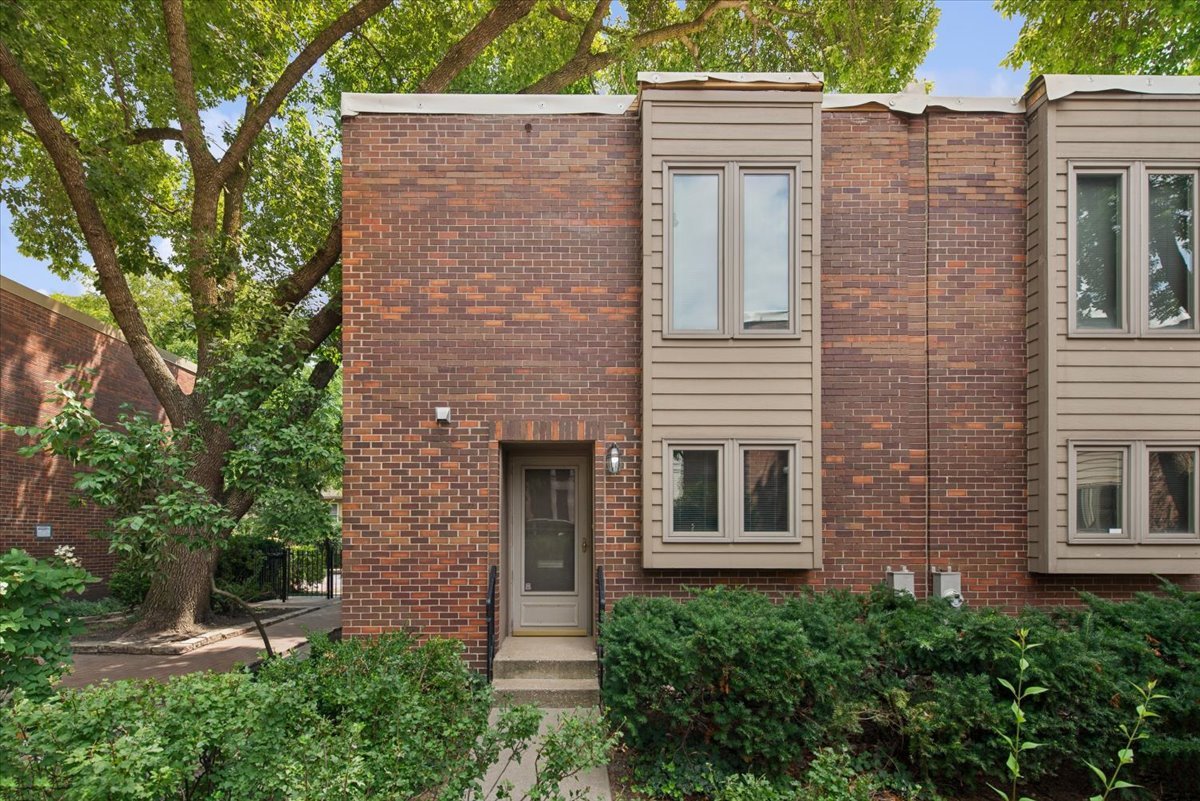
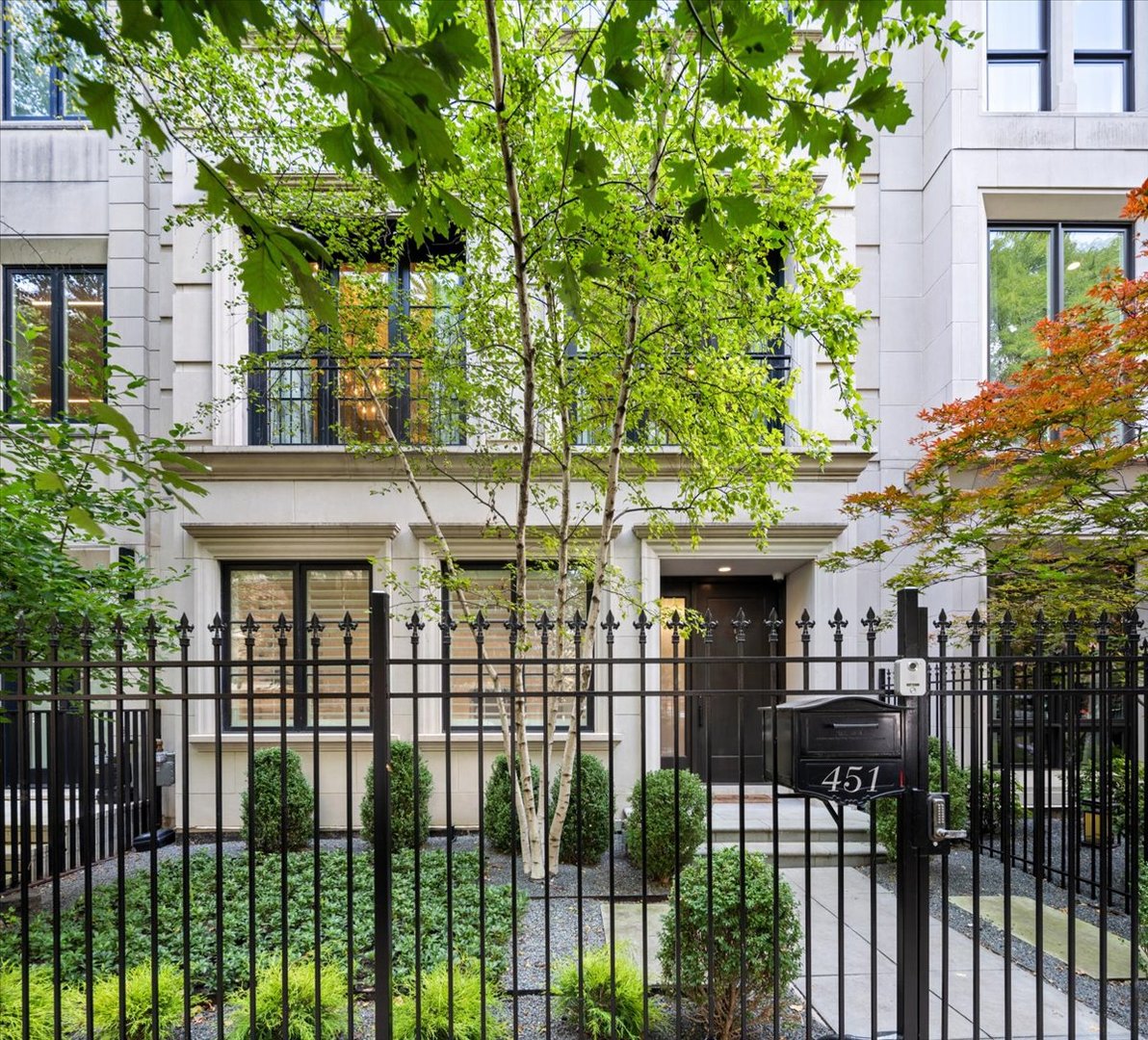
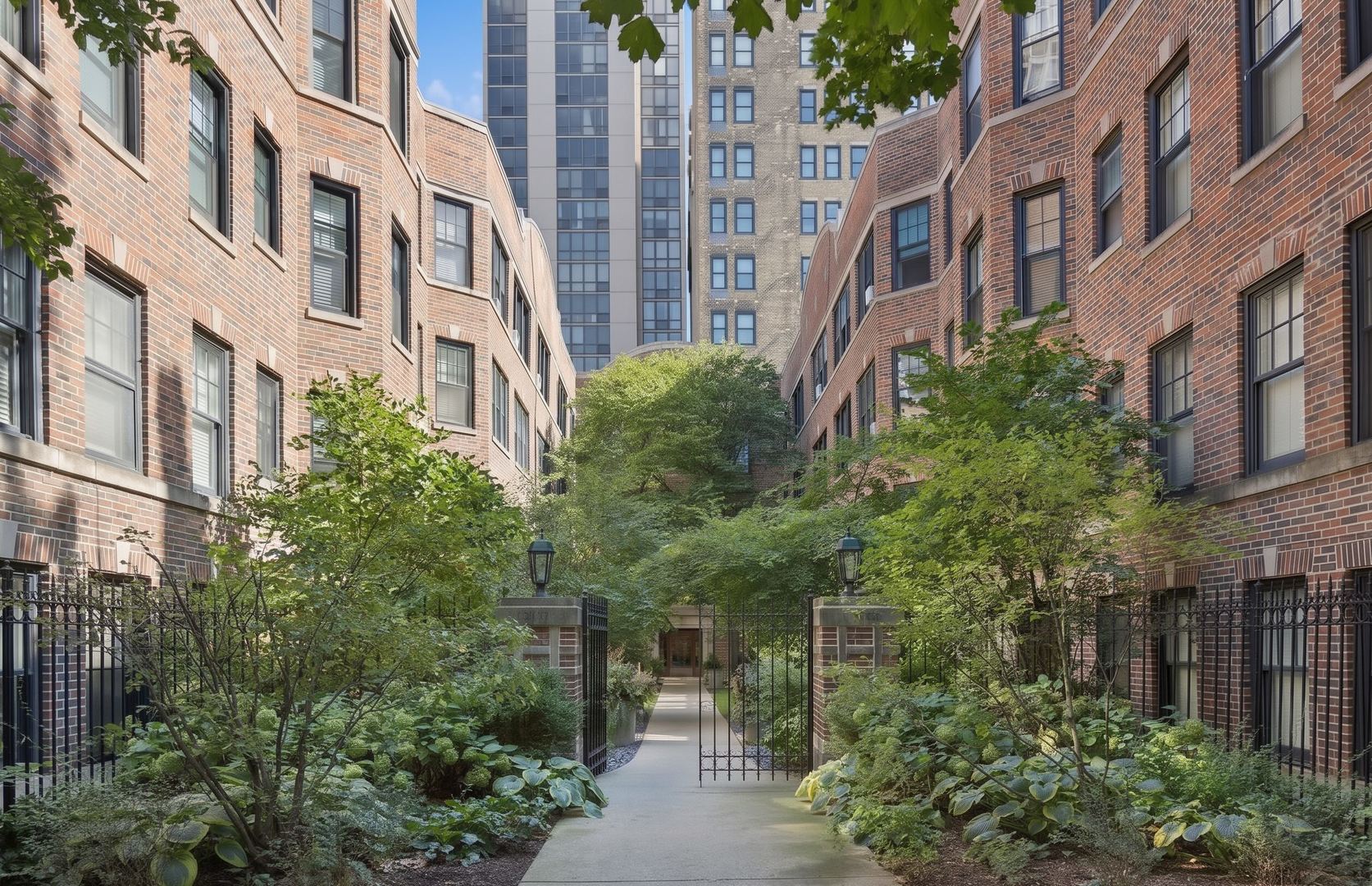
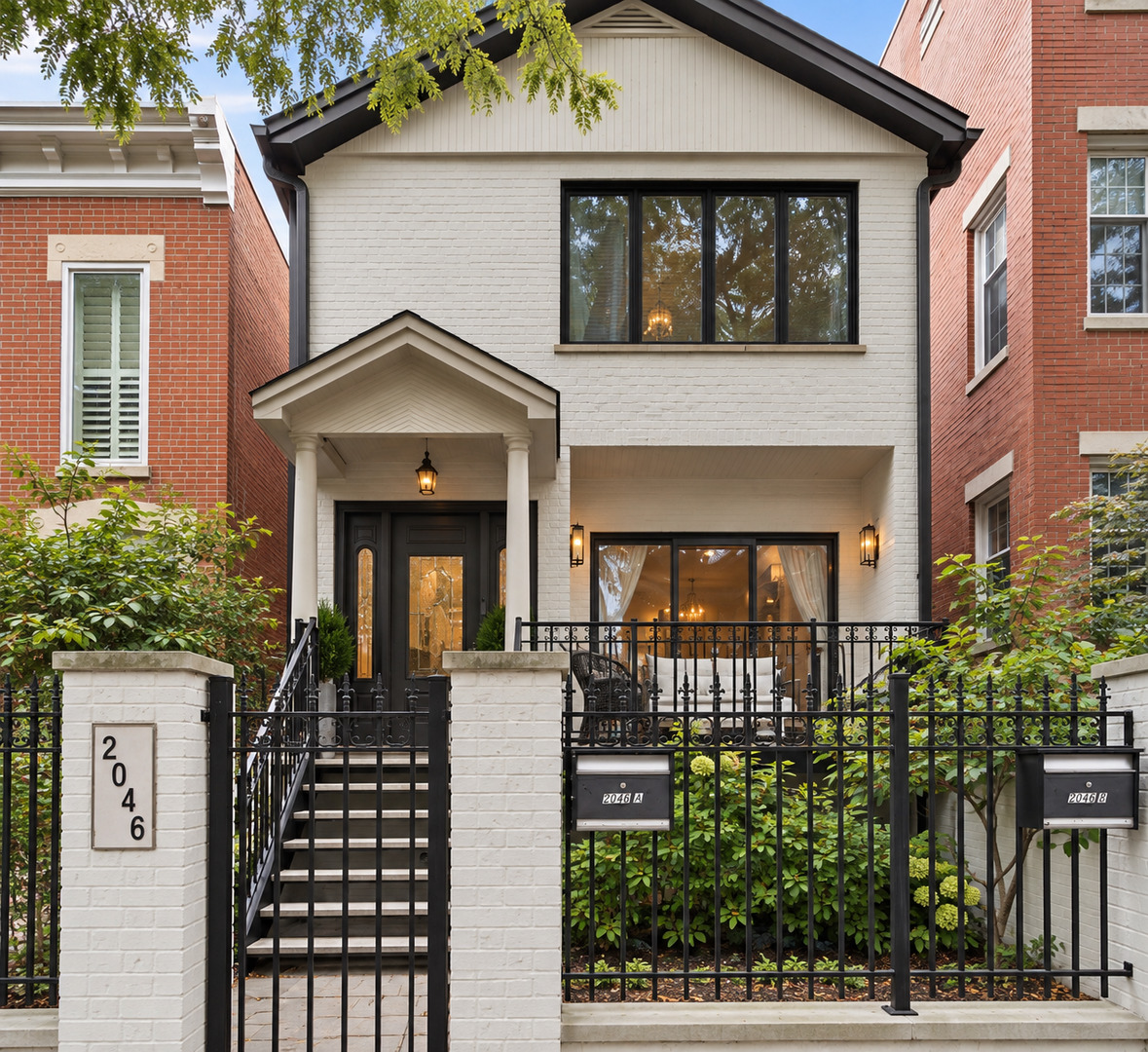
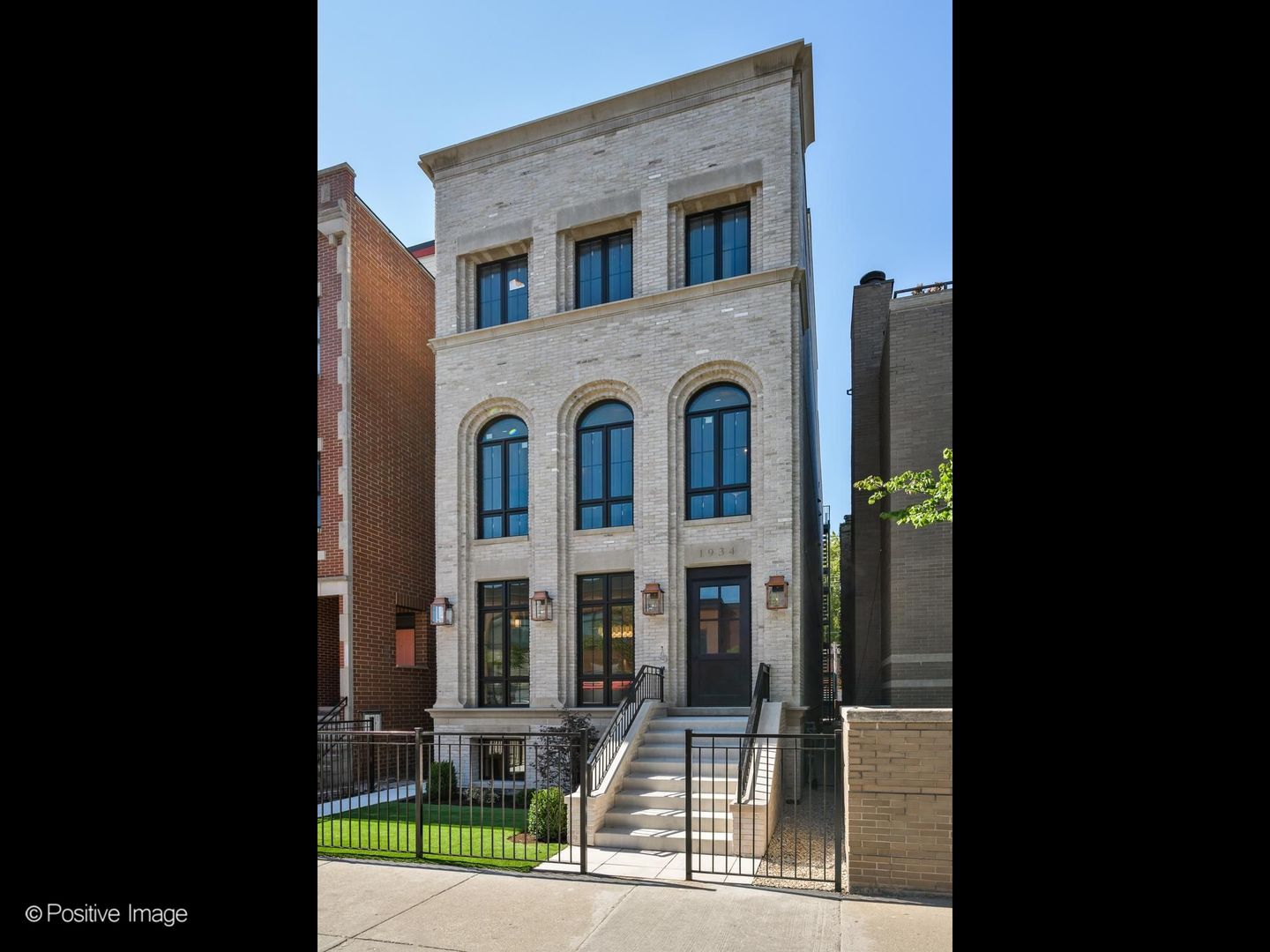
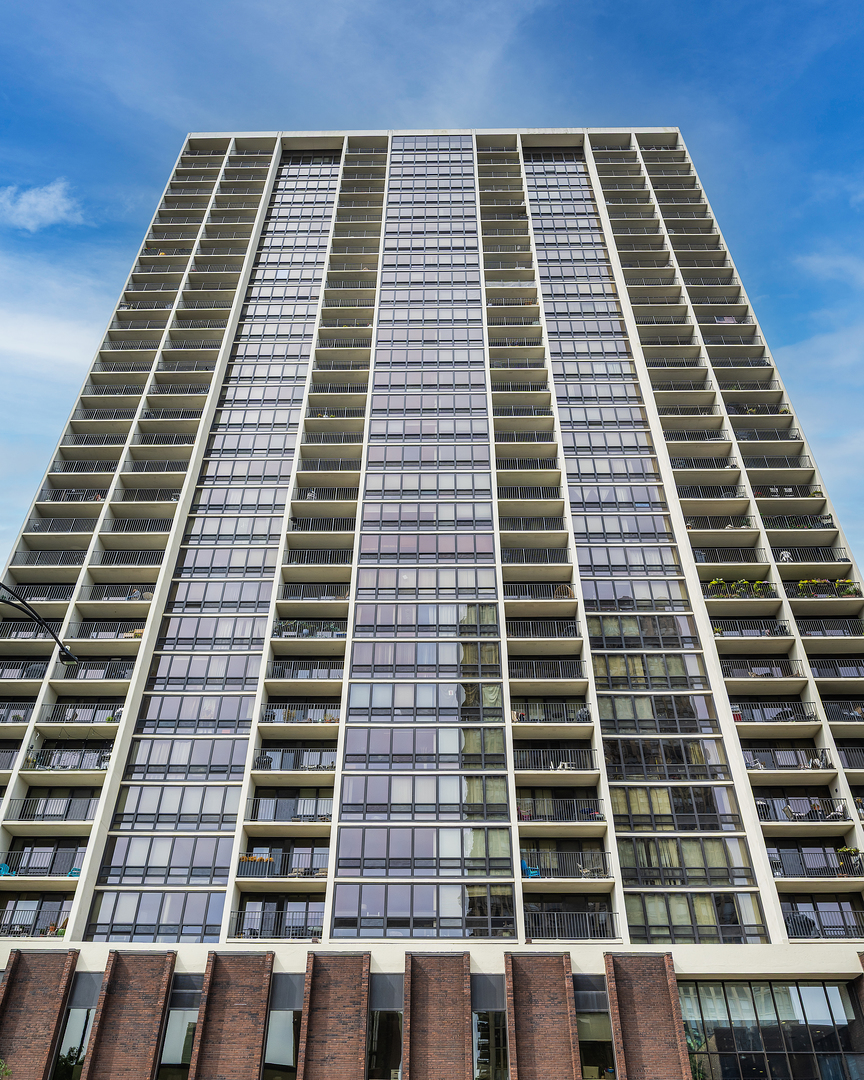
Lincoln Park’s housing stock is as varied as its geography, spanning everything from vintage courtyard buildings and coach houses to new construction single-family homes and high-rise condominiums with unobstructed lake views.
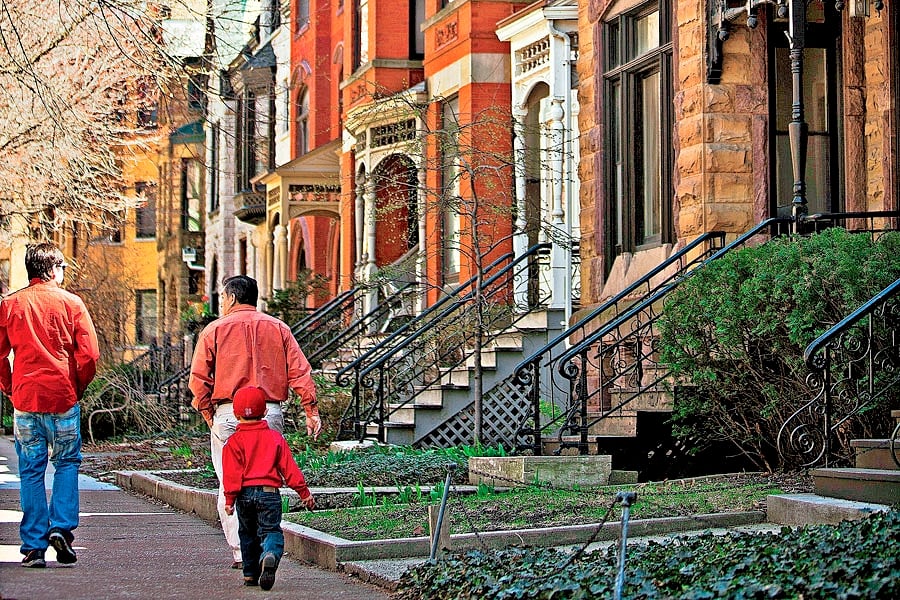
The most distinctive residential character is concentrated in the streets west of Clark and south of Fullerton, where blocks of Victorian-era greystones, row houses, and Queen Anne-style homes sit behind mature tree canopies on some of the most photographed streetscapes on the North Side. The Belden-Stratford, Crilly Court, and the mid-19th century homes along Menomonee Street are among the most architecturally significant residential blocks in Chicago. The Alfred Caldwell Lily Pool, a national landmark within Lincoln Park itself, adds to the sense that the whole neighborhood was designed with beauty in mind.
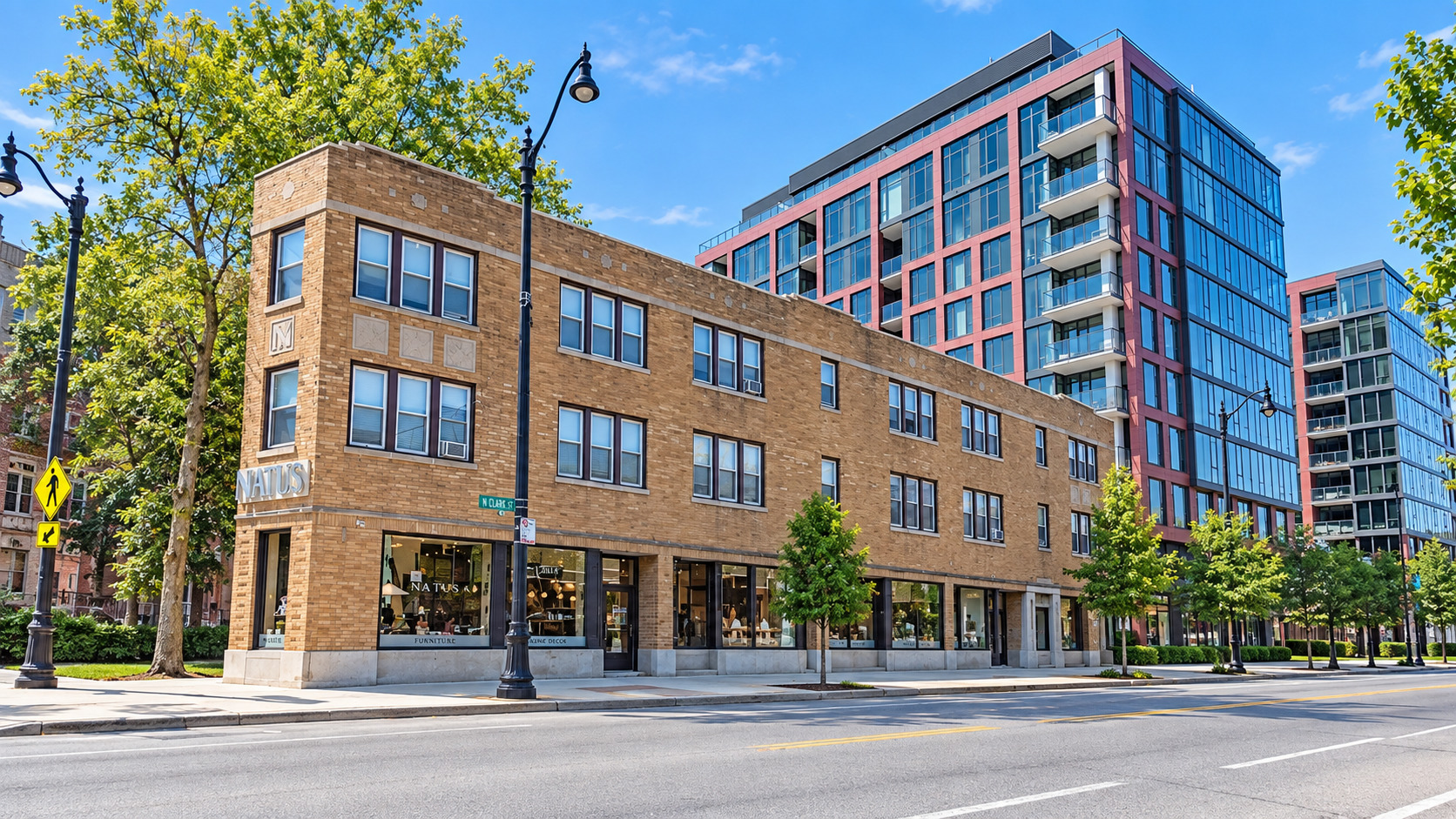
Further west toward the DePaul area and Clybourn Corridor, the character shifts to larger multifamily buildings, loft condos in converted factories, and newer construction townhomes. High-rise buildings along Sheridan Road and Lake Shore Drive offer direct lakefront views at the upper end of the market.
Lincoln Park is one of the most consistently high-performing real estate markets in the city. The median sale price across all home types has been running around $700K to $730K, with average home prices surpassing $929,000 in recent market analysis when factoring in the full range of single-family homes. The Lake View/Lincoln Park submarket recorded a median single-family home sale price of $1,550,000 as of mid-2025, the highest of any Chicago submarket. Homes sell in an average of 43 to 47 days, inventory remains critically tight, and the market is rated very competitive. Prices per square foot are among the highest in the city at around $462.
The neighborhood earned a walkability score of 94 and a bike score of 88, making it one of the most walkable in Chicago. The Red, Brown, and Purple Lines all serve Lincoln Park, with stops at North/Clybourn, Fullerton, Sedgwick, Armitage, Diversey, and Paulina. Lake Shore Drive runs along the eastern edge. The Lakefront Trail connects residents directly to the park system, beaches, and points north and south without ever leaving green space.
Lincoln Park’s commercial corridors each have a distinct identity, and taken together they form one of the richest retail and dining ecosystems on the North Side.
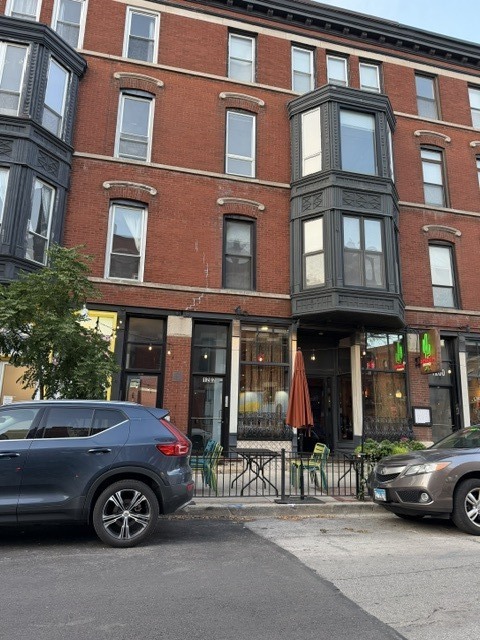
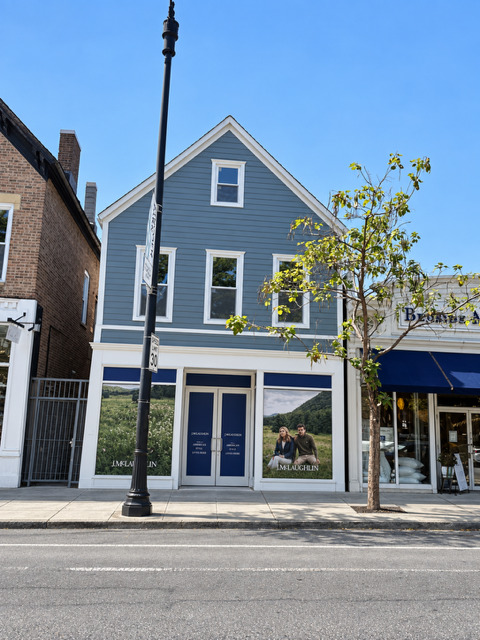
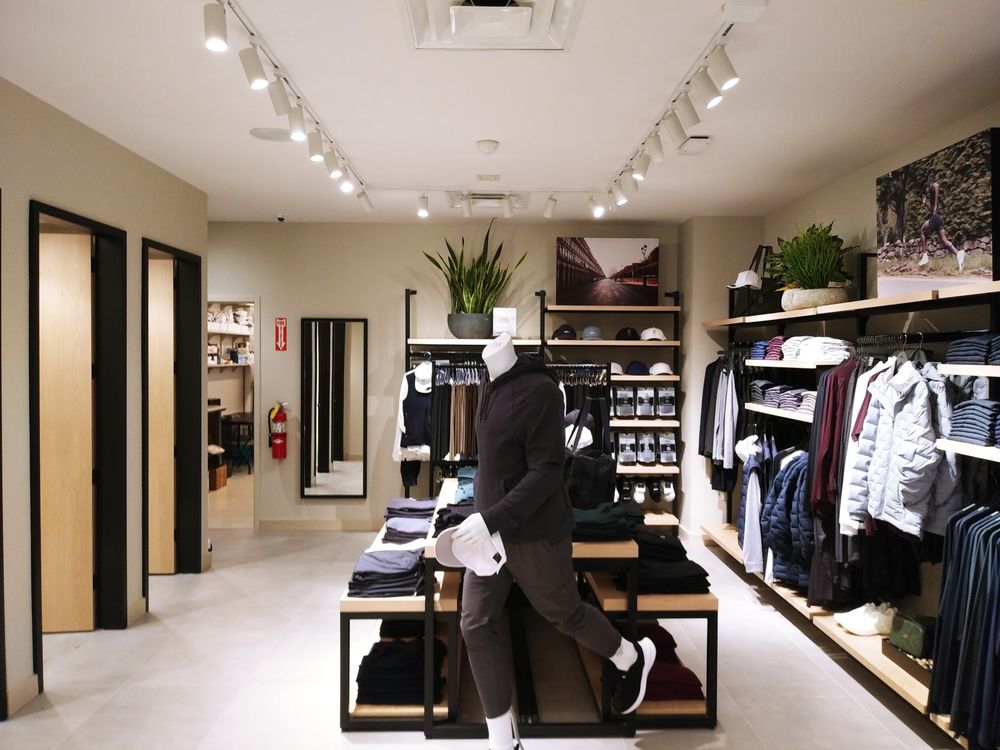
Armitage Avenue between Halsted and Racine is one of Chicago’s premier boutique shopping streets, lined with independent clothing stores, jewelry shops, home goods retailers, and cafes. Clark Street runs the full length of the neighborhood and shifts in character from block to block, moving through sports bars near the DePaul campus, through the restaurant-heavy stretch near Fullerton, and into quieter retail near Diversey. Halsted Street has long been a dining destination, with Steppenwolf Theatre anchoring a stretch that includes some of the neighborhood’s most celebrated restaurants.
The dining scene is serious. Alinea, consistently ranked among the best restaurants in the world, has been located in Lincoln Park since it opened in 2005. Its multi-course tasting menu draws diners from around the globe. Boka holds a Michelin star and is widely regarded as one of Chicago’s finest neighborhood restaurants. Geja’s Cafe has been serving fondue since 1965. Mon Ami Gabi and Gemini have both built devoted followings. Pequod’s Pizza and RJ Grunts offer the neighborhood’s more accessible side. The range from a Tuesday night pizza to a once-in-a-lifetime tasting menu is genuinely available within a few blocks.
The cultural institutions anchored by Lincoln Park are exceptional. Steppenwolf Theatre Company, one of the most celebrated ensemble theater companies in American theater, has been based in Lincoln Park since its founding in the 1970s and has produced some of the most acclaimed new American plays of the last fifty years. Kingston Mines is Chicago’s oldest blues club, with live music seven nights a week until 4 a.m. Lincoln Hall is one of the city’s best mid-size music venues. The Chicago History Museum, at the south end of the park near North Avenue, holds one of the most significant collections of urban history in the country. The Peggy Notebaert Nature Museum and the Lincoln Park Conservatory offer year-round programming for families and nature enthusiasts.
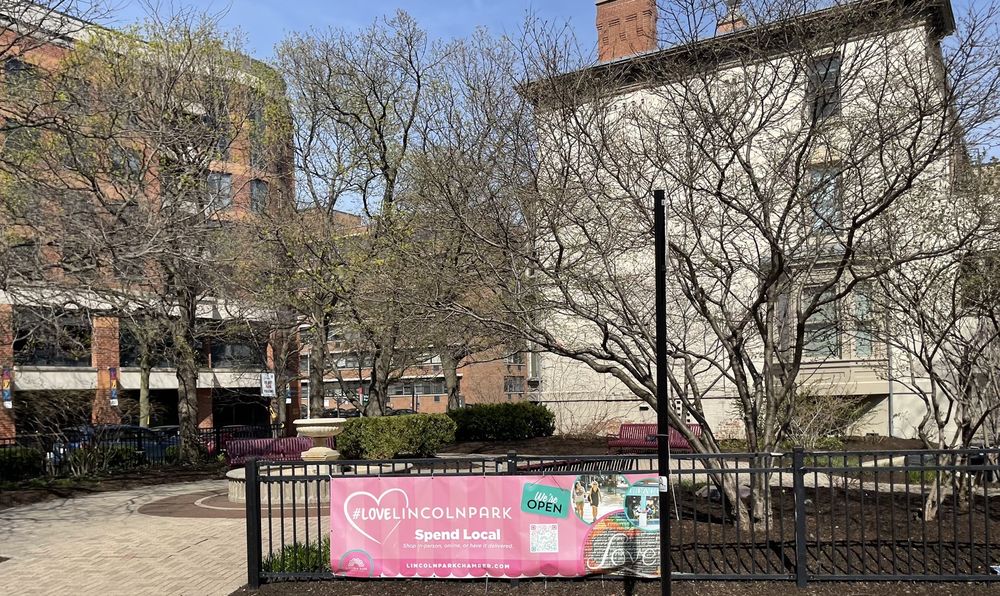
Lincoln Park Zoo, founded in 1868, draws around two million visitors a year and remains one of the only free-admission zoos in the United States. It sits within the broader park system, which at 1,200 acres includes North Avenue Beach, Belmont Harbor, the Alfred Caldwell Lily Pool, the North Pond Nature Sanctuary, tennis courts, playing fields, and the Lakefront Trail running the entire eastern length of the neighborhood.
The Green City Market, held in the park on Wednesdays and Saturdays from May through October, is one of Chicago’s most respected farmers markets, with a focus on sustainable and locally produced food and a devoted following among the neighborhood’s professional households.
Lincoln Park is not a neighborhood that needs a pitch. The park is real. The zoo is free. The theater companies are world-class. The schools are excellent. And the market, while demanding, reflects what the neighborhood consistently delivers to the people who live here. For buyers ready to invest in one of Chicago’s most enduring addresses, Lincoln Park is the standard everything else gets measured against.
Ready to explore homes for sale in Lincoln Park? Browse current listings below, or reach out to discuss what’s available and what fits your goals.
67,831 people live in Lincoln Park, where the median age is 33 and the average individual income is $113,478. Data provided by the U.S. Census Bureau.
Total Population
Median Age
Population Density Population Density This is the number of people per square mile in a neighborhood.
Average individual Income
There's plenty to do around Lincoln Park, including shopping, dining, nightlife, parks, and more. Data provided by Walk Score and Yelp.
Explore popular things to do in the area, including Pizza Posse, College Cafe Incorparated, and Altoids Curious and Original Chocolate Shoppe.
| Name | Category | Distance | Reviews |
Ratings by
Yelp
|
|---|---|---|---|---|
| Dining | 0.14 miles | 0 reviews | 0/5 stars | |
| Dining | 0.3 miles | 0 reviews | 0/5 stars | |
| Dining | 0.34 miles | 0 reviews | 0/5 stars | |
| Dining | 0.5 miles | 0 reviews | 0/5 stars | |
| Dining | 0.6 miles | 11 reviews | 4.2/5 stars | |
| Shopping | 0.33 miles | 1 review | 5/5 stars | |
| Active | 0.12 miles | 0 reviews | 0/5 stars | |
| Active | 0.39 miles | 0 reviews | 0/5 stars | |
| Active | 0.48 miles | 29 reviews | 4/5 stars | |
| Active | 0.5 miles | 1 review | 2/5 stars | |
| Active | 0.56 miles | 0 reviews | 0/5 stars | |
| Active | 0.6 miles | 0 reviews | 0/5 stars | |
| Active | 0.66 miles | 0 reviews | 0/5 stars | |
| Active | 0.73 miles | 0 reviews | 0/5 stars | |
| Active | 0.75 miles | 1 review | 5/5 stars | |
| Active | 0.77 miles | 0 reviews | 0/5 stars | |
| Active | 0.78 miles | 0 reviews | 0/5 stars | |
| Active | 0.83 miles | 0 reviews | 0/5 stars | |
| Beauty | 0.32 miles | 0 reviews | 0/5 stars | |
| Beauty | 0.49 miles | 0 reviews | 0/5 stars | |
| Beauty | 0.49 miles | 0 reviews | 0/5 stars | |
| Beauty | 0.53 miles | 1 review | 5/5 stars | |
| Beauty | 0.62 miles | 0 reviews | 0/5 stars | |
| Beauty | 0.75 miles | 0 reviews | 0/5 stars | |
|
|
||||
|
|
||||
|
|
||||
|
|
||||
|
|
||||
|
|
Lincoln Park has 33,145 households, with an average household size of 2. Data provided by the U.S. Census Bureau. Here’s what the people living in Lincoln Park do for work — and how long it takes them to get there. Data provided by the U.S. Census Bureau. 67,831 people call Lincoln Park home. The population density is 36,660 and the largest age group is Data provided by the U.S. Census Bureau.
Total Population
Population Density Population Density This is the number of people per square mile in a neighborhood.
Median Age
Men vs Women
Population by Age Group
0-9 Years
10-17 Years
18-24 Years
25-64 Years
65-74 Years
75+ Years
Education Level
Total Households
Average Household Size
Average individual Income
Households with Children
With Children:
Without Children:
Marital Status
Blue vs White Collar Workers
Blue Collar:
White Collar: