West Loop's story starts as Chicago's wholesale food distribution hub. The city built a market hall on Randolph Street in 1850, and by the late 1800s, Fulton Market Street was home to major meatpacking and produce operations that supplied the region.
The neighborhood is also where one of American labor history's best-known events took place. On May 4, 1886, a crowd gathered in Haymarket Square on Randolph Street between Desplaines and Halsted to protest the police killing of two striking workers. A bronze sculpture on Desplaines Street, installed in 2004, marks the site today.
As food distribution modernized and moved elsewhere in the 20th century, many of the neighborhood's warehouses sat vacant until artists and early residents began converting them into lofts in the 1980s and 90s. Restaurants followed in the early 1990s, and Randolph Street grew into the strip locally known as Restaurant Row. The Fulton-Randolph Market District was designated a Chicago Landmark District in 2015, protecting a rare surviving collection of mercantile and warehouse buildings.
The corporate arrival came more recently. Oprah Winfrey filmed her show at Harpo Studios, in a century-old building at Washington Boulevard and Carpenter Street, for 25 years. The building was demolished in 2016, and McDonald's moved its headquarters to the site in 2018.
West Loop has no official borders. It generally runs from Grand Avenue on the north to the Eisenhower Expressway on the south, and from the Chicago River on the east to Ashland Avenue on the west. Within that area, the Fulton River District, Fulton Market and Greektown each have their own character, and buyers often use those names when they search.
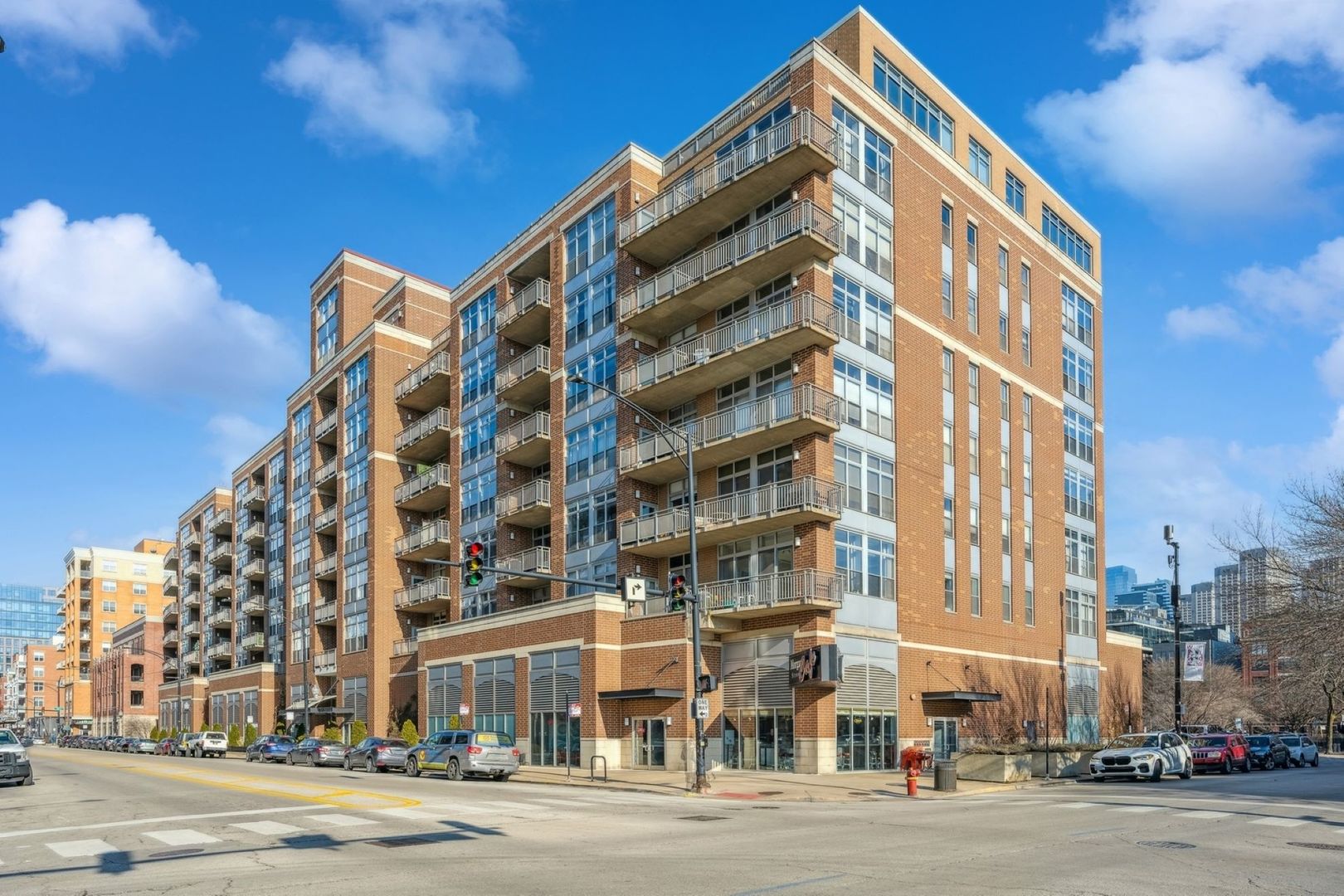
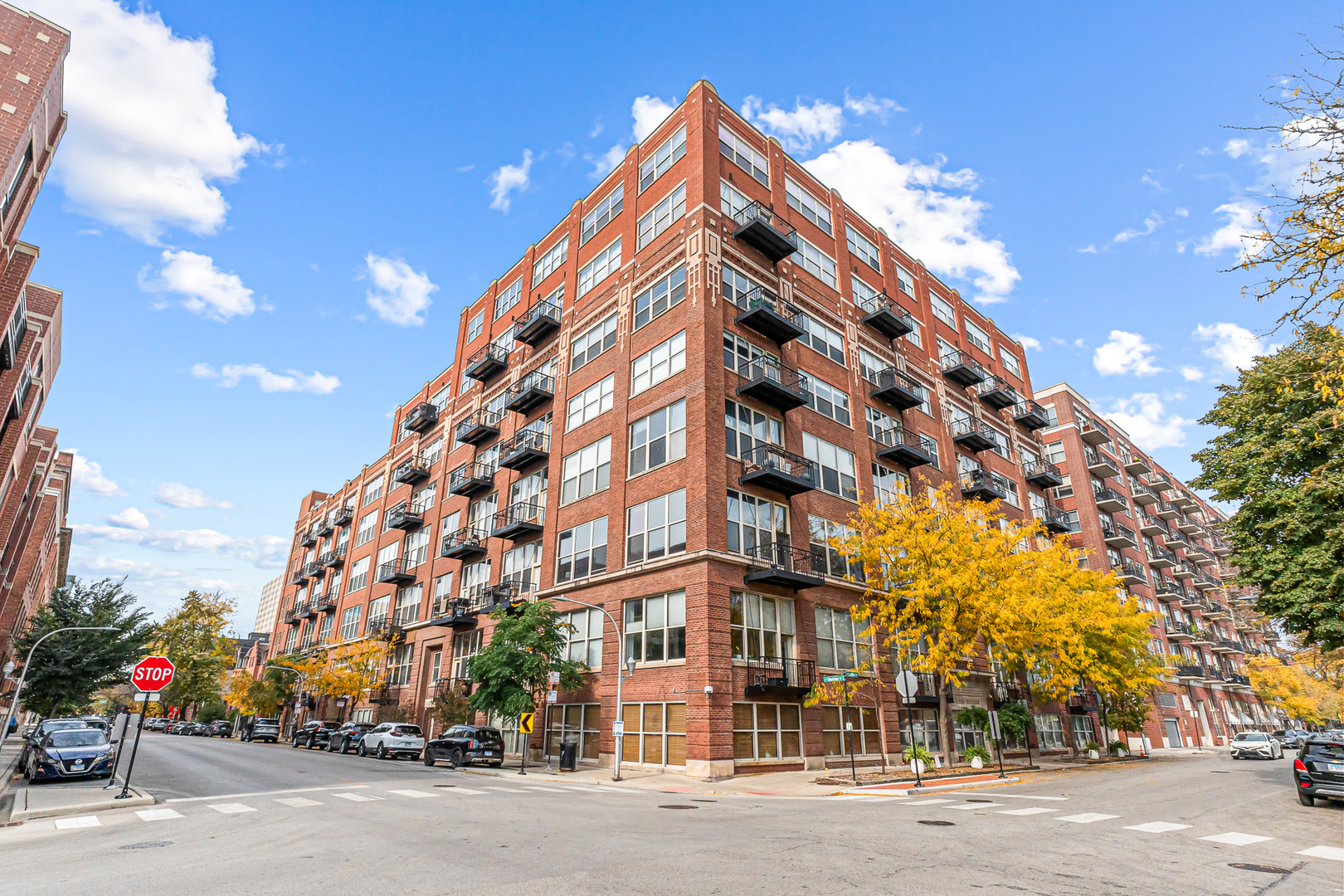
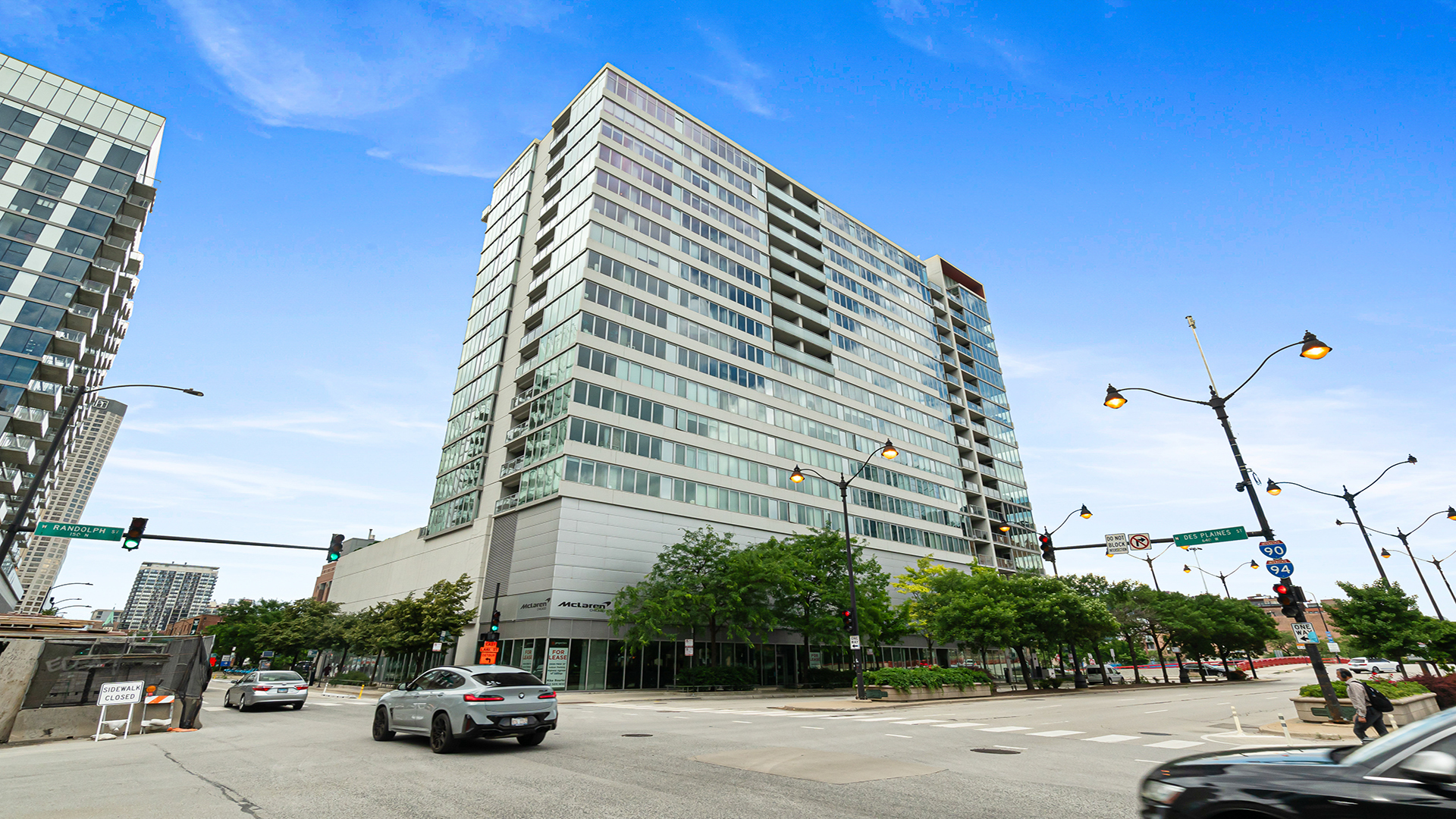
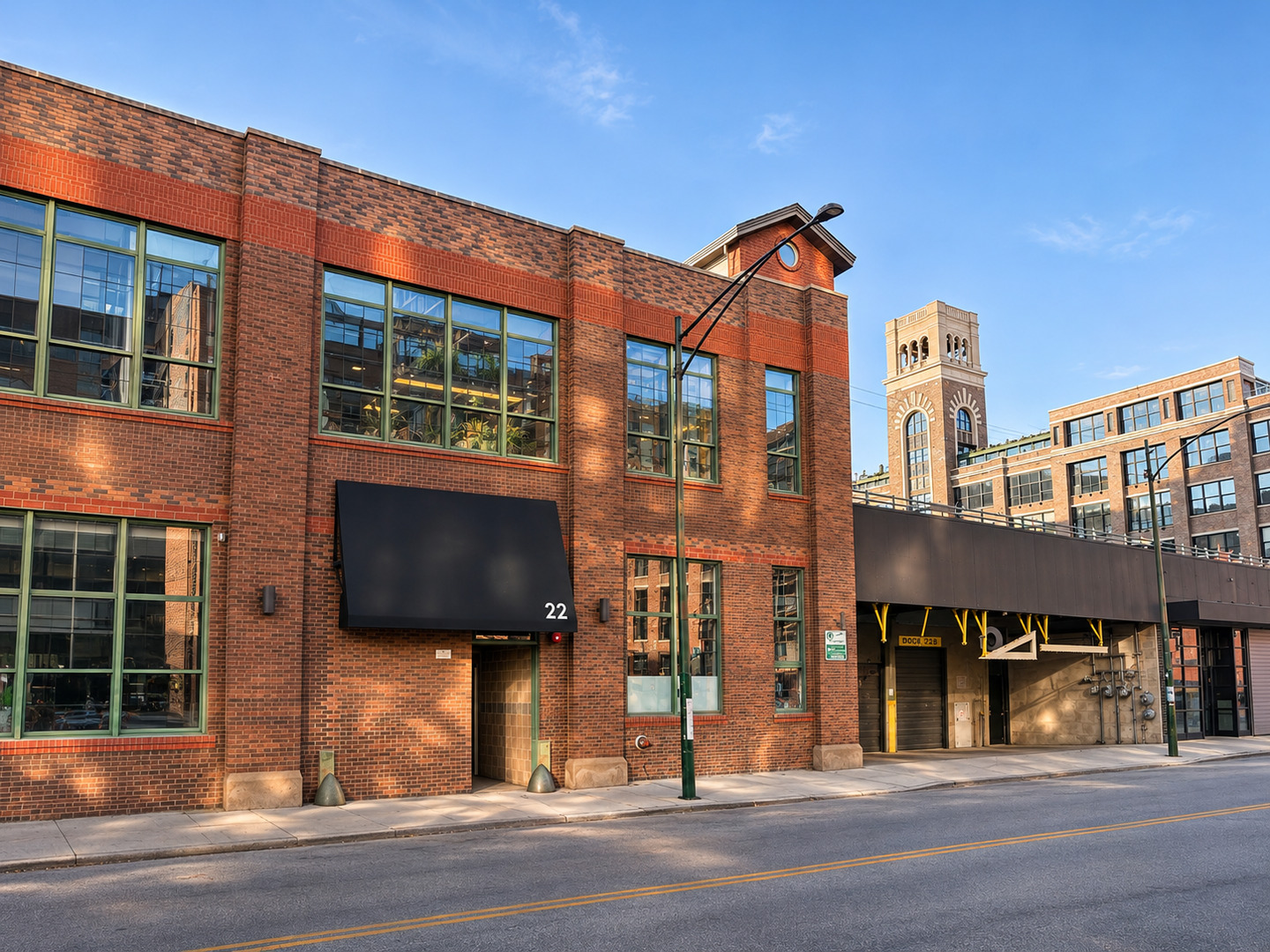
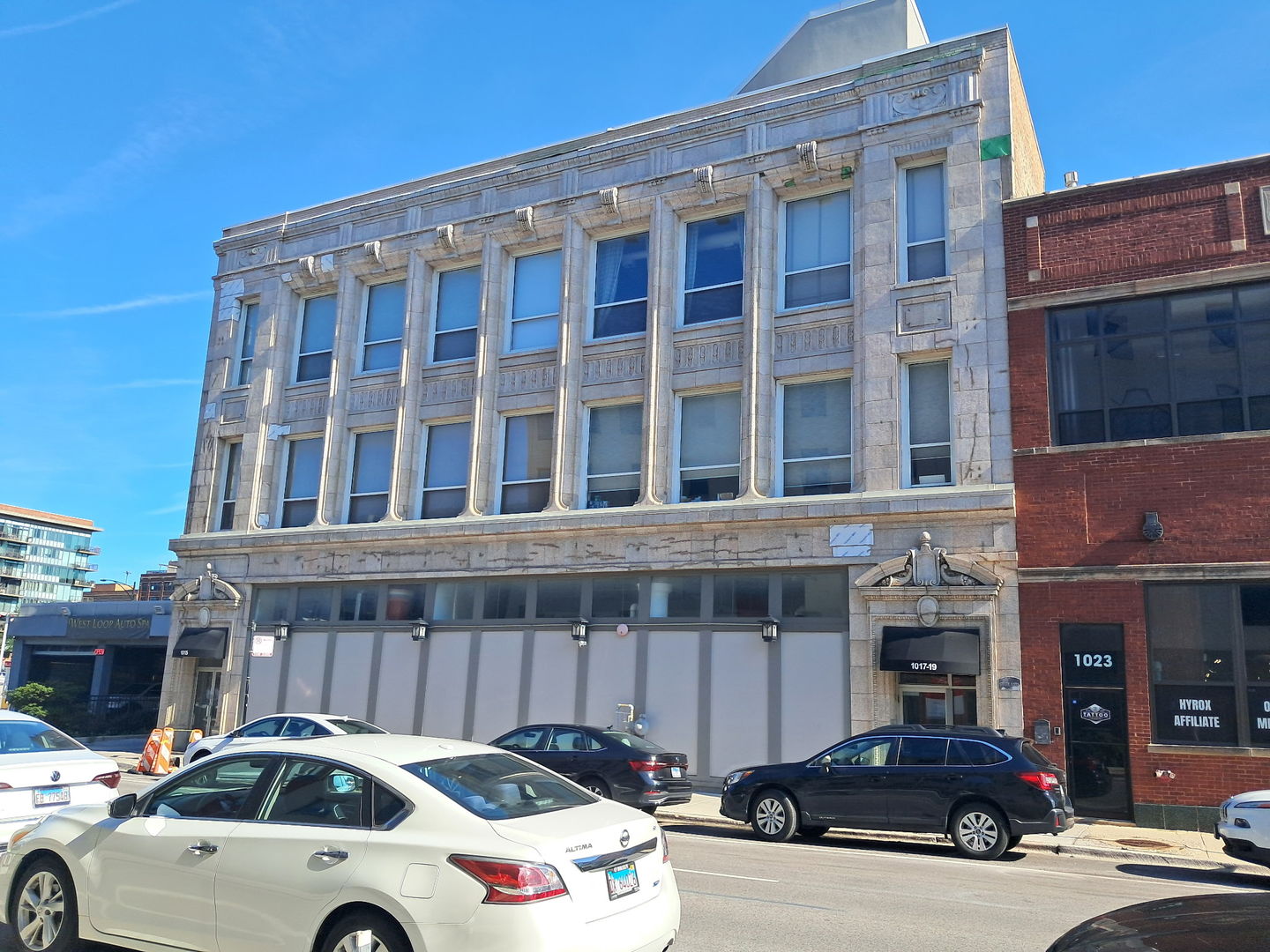
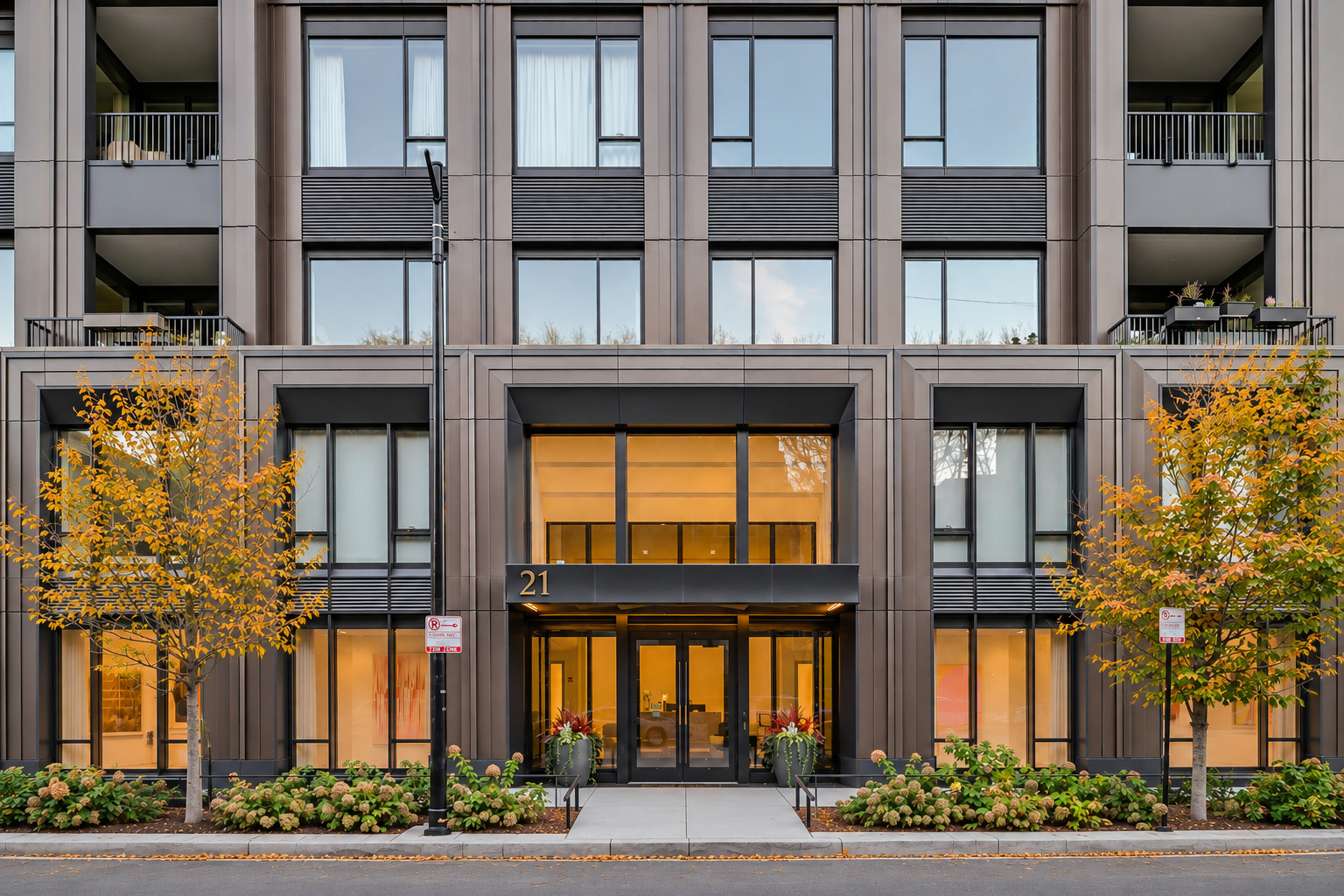
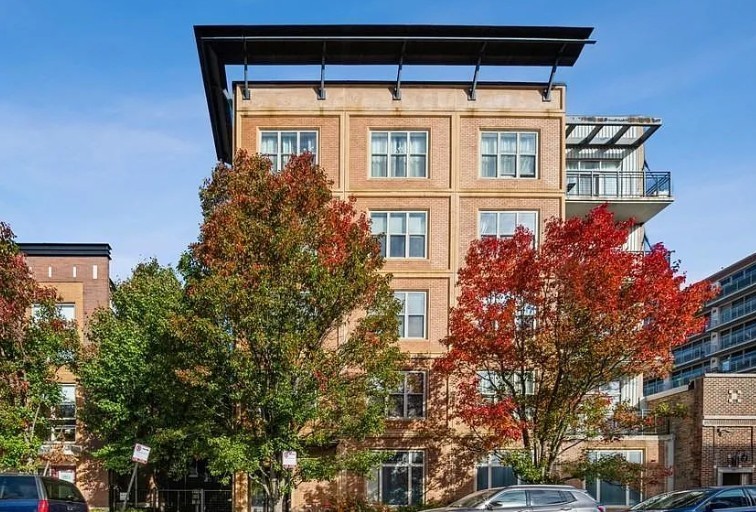
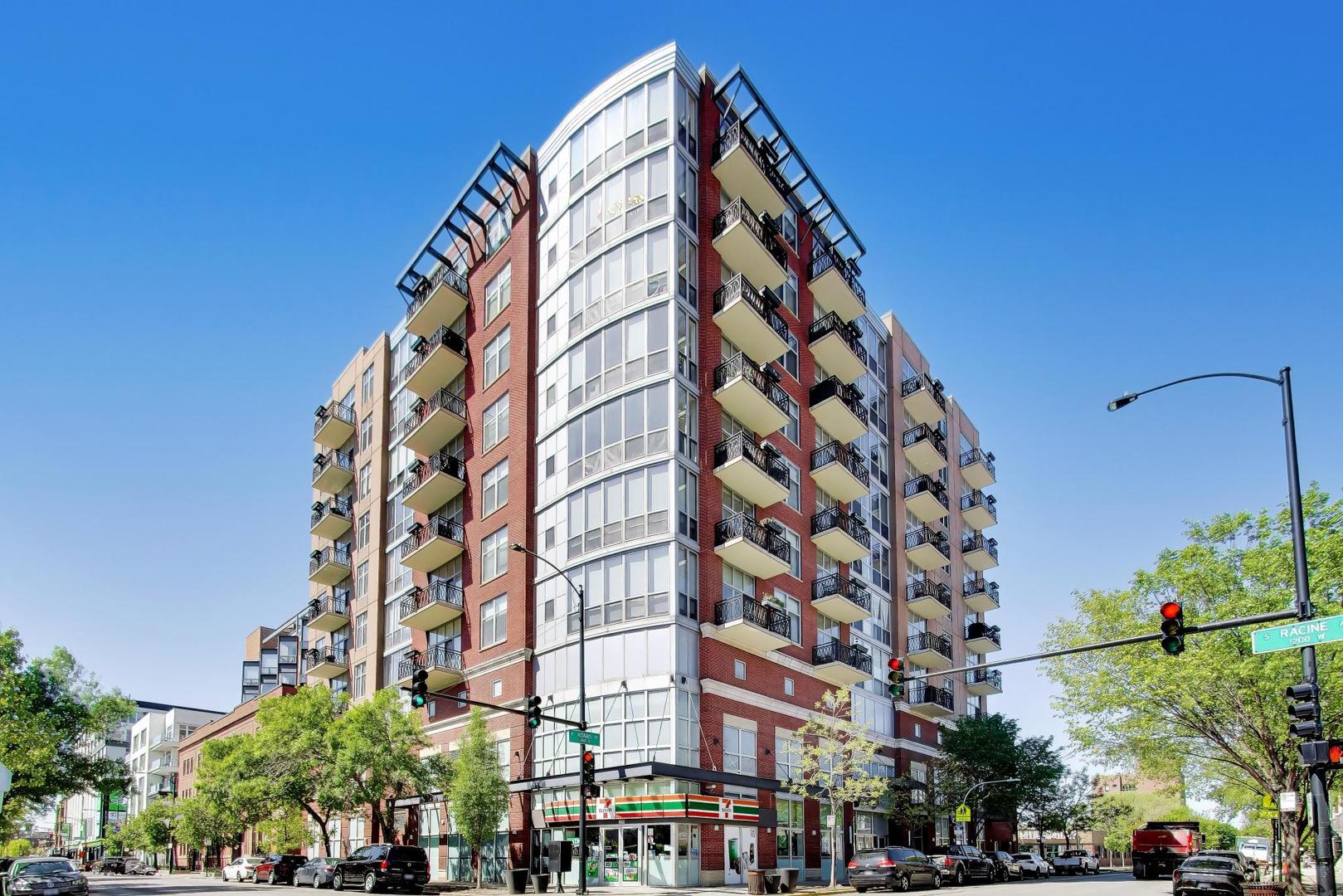
West Loop's housing stock is almost entirely condos and lofts, with very little detached single-family inventory. There are three main building types, and each lives differently.
Because the market is so heavily condos, the building's finances deserve as much attention as the unit. Ask about the reserve fund, any planned special assessments, the owner-occupancy rate and the rules on rentals. Our guides to reading a Chicago condo reserve study and evaluating a building's health walk through the questions, and the Fannie Mae 15% reserve rule can affect financing.
Getting around is one of the neighborhood's strongest points. The CTA's Green and Pink Lines run along Lake Street, with stations at Clinton, Morgan and Ashland. Morgan opened in 2012 and was the first new CTA station in 18 years. The Blue Line also stops at Clinton. Ogilvie Transportation Center, in the Fulton River District, is the downtown terminal for Metra's Union Pacific North Line, the same line that serves Kenilworth, Winnetka and Wilmette. Chicago Union Station is on the neighborhood's eastern edge, and I-290 and I-90/94 are close by.
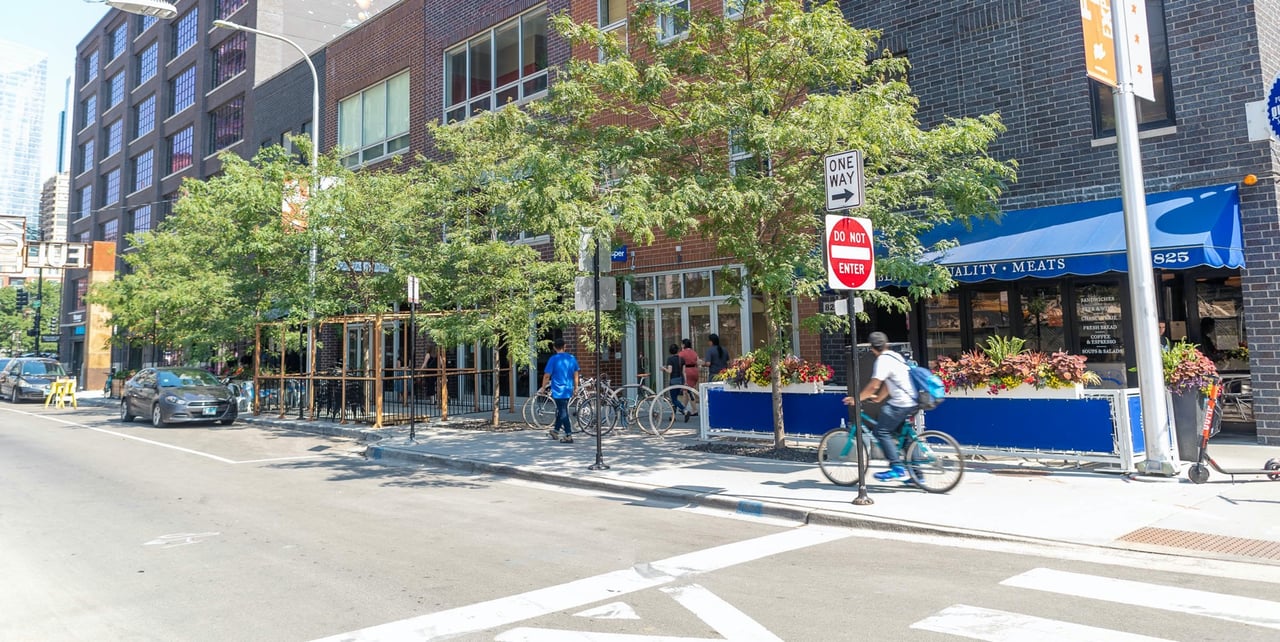
Randolph Street's Restaurant Row anchors the neighborhood's reputation. Girl & the Goat, Au Cheval and Leña Brava are among the names regularly mentioned, with Fulton Market Street close behind. Halsted Street, near the neighborhood's southern edge, is the heart of Greektown, with Greek restaurants that opened mostly between the 1970s and 1990s.
West Loop is also home to major employers, including Google's Chicago headquarters and McDonald's headquarters, which makes it a popular choice for buyers who work nearby. Many buyers also work from home here. If that's you, our work-from-home real estate FAQ covers what to look for in a unit.
Green space is limited compared with the North Side, but there are good options. Mary Bartelme Park is a 1.4-acre park designed by Ernest Wong and named for Illinois's first female judge, who helped establish America's first juvenile court. Union Park sits at the western edge of the neighborhood.
West Loop appeals to buyers who want to be close to downtown and don't need a yard. If a yard, a greystone or a single-family home matters more, Lincoln Park and Lake View offer more variety in housing, with a broader mix of condos, two-flats, greystones and single-family homes. Our Lake View vs. Lincoln Park condo guide compares those two. Gold Coast offers a more traditional high-rise condo setting near the lake, and Roscoe Village has a quieter, more residential feel.
Almost exclusively condos and lofts. You'll find converted warehouse units with exposed brick and high ceilings alongside newer high-rise buildings, but detached single-family homes are essentially not part of the market here.
A hard loft is a true conversion of an old warehouse or factory, with original brick, timber and large windows. A soft loft is a newer building styled to look like one, with tall ceilings and open layouts but no original industrial structure. Hard lofts often cost more for their character, so compare building condition and sound control, not just the look.
Yes. It's one of the shortest commutes into the Loop from a North Side-adjacent neighborhood, and several major employers, including Google, are based right in West Loop itself.
The CTA Green and Pink Lines run along Lake Street, with stops at Clinton, Morgan and Ashland, and the Blue Line stops at Clinton. Many residents also walk or bike to the Loop. Metra riders can use Ogilvie Transportation Center, and Union Station is on the neighborhood's eastern edge.
West Loop is the larger area, and Fulton Market and the Fulton River District are smaller sections within it. Fulton Market is the former meatpacking district, now known for restaurants, offices and loft conversions. The Fulton River District runs along the Chicago River and includes Ogilvie Transportation Center.
Ask about the building's reserve fund, planned special assessments, the owner-occupancy rate, rental rules and parking. In older timber lofts, also ask about sound control between floors. A good agent will pull the building's documents before you make an offer.
Yes. The area is served by Chicago Public Schools, and private options are nearby. School assignment depends on the exact address, so check the boundary for any specific building before you make an offer.
Prices vary widely by building type, size and location, from small one-bedroom condos to large lofts and penthouse units. Browse the live listings below to see current prices, or contact me for a market read on a specific building.
Curious what's currently available in West Loop? Browse the listings below, or book a free consultation with me to talk through your options. If you're deciding between West Loop and a North Side or North Shore neighborhood, I can walk you through the trade-offs. Selling a West Loop condo? Start with a home valuation.
29,780 people live in West Loop, where the median age is 34 and the average individual income is $129,708. Data provided by the U.S. Census Bureau.
Total Population
Median Age
Population Density Population Density This is the number of people per square mile in a neighborhood.
Average individual Income
There's plenty to do around West Loop, including shopping, dining, nightlife, parks, and more. Data provided by Walk Score and Yelp.
Explore popular things to do in the area, including Roberts Packing Company, Chi'tiva, and Oki Sushi.
| Name | Category | Distance | Reviews |
Ratings by
Yelp
|
|---|---|---|---|---|
| Dining | 0.18 miles | 0 reviews | 0/5 stars | |
| Dining | 0.24 miles | 0 reviews | 0/5 stars | |
| Dining · $$ | 0.28 miles | 10 reviews | 3.1/5 stars | |
| Dining | 0.29 miles | 0 reviews | 0/5 stars | |
| Dining | 0.3 miles | 0 reviews | 0/5 stars | |
| Dining | 0.34 miles | 0 reviews | 0/5 stars | |
| Dining | 0.36 miles | 0 reviews | 0/5 stars | |
| Dining | 0.41 miles | 0 reviews | 0/5 stars | |
| Dining | 0.41 miles | 0 reviews | 0/5 stars | |
| Dining | 0.61 miles | 1 review | 3/5 stars | |
| Shopping | 0.14 miles | 3 reviews | 4.3/5 stars | |
| Shopping | 0.21 miles | 1 review | 5/5 stars | |
| Active | 0.13 miles | 0 reviews | 0/5 stars | |
| Active | 0.52 miles | 0 reviews | 0/5 stars | |
| Active | 0.61 miles | 0 reviews | 0/5 stars | |
| Nightlife | 0.19 miles | 29 reviews | 4.2/5 stars | |
| Nightlife | 0.32 miles | 1 review | 2/5 stars | |
| Beauty | 0.13 miles | 50 reviews | 3.3/5 stars | |
| Beauty | 0.16 miles | 118 reviews | 3.2/5 stars | |
| Beauty | 0.24 miles | 8 reviews | 5/5 stars | |
| Beauty | 0.26 miles | 7 reviews | 3.1/5 stars | |
| Beauty | 0.42 miles | 4 reviews | 5/5 stars | |
| Beauty | 0.45 miles | 0 reviews | 0/5 stars | |
|
|
||||
|
|
||||
|
|
||||
|
|
||||
|
|
||||
|
|
West Loop has 19,225 households, with an average household size of 2. Data provided by the U.S. Census Bureau. Here’s what the people living in West Loop do for work — and how long it takes them to get there. Data provided by the U.S. Census Bureau. 29,780 people call West Loop home. The population density is 49,903 and the largest age group is Data provided by the U.S. Census Bureau.
Total Population
Population Density Population Density This is the number of people per square mile in a neighborhood.
Median Age
Men vs Women
Population by Age Group
0-9 Years
10-17 Years
18-24 Years
25-64 Years
65-74 Years
75+ Years
Education Level
Total Households
Average Household Size
Average individual Income
Households with Children
With Children:
Without Children:
Marital Status
Blue vs White Collar Workers
Blue Collar:
White Collar: