No neighborhood in Chicago has a more cinematic past than Uptown. For a stretch in the 1920s, it rivaled Times Square. The elevated trains, the jazz clubs, the ornate movie palaces, the hotel marquees glowing gold over Broadway at night. It was, by every account of the era, the most electric block in a city that had plenty of electricity to spare.
It got there fast. In 1900, the Northwestern Elevated Railroad built its terminal at Wilson and Broadway, and Uptown took off almost immediately. The neighborhood derived its name from the Uptown Store, which served as the commercial anchor of the early community. For a time, all northbound elevated trains from downtown terminated here, which made Uptown the natural endpoint for anyone looking for a night out on the North Side.
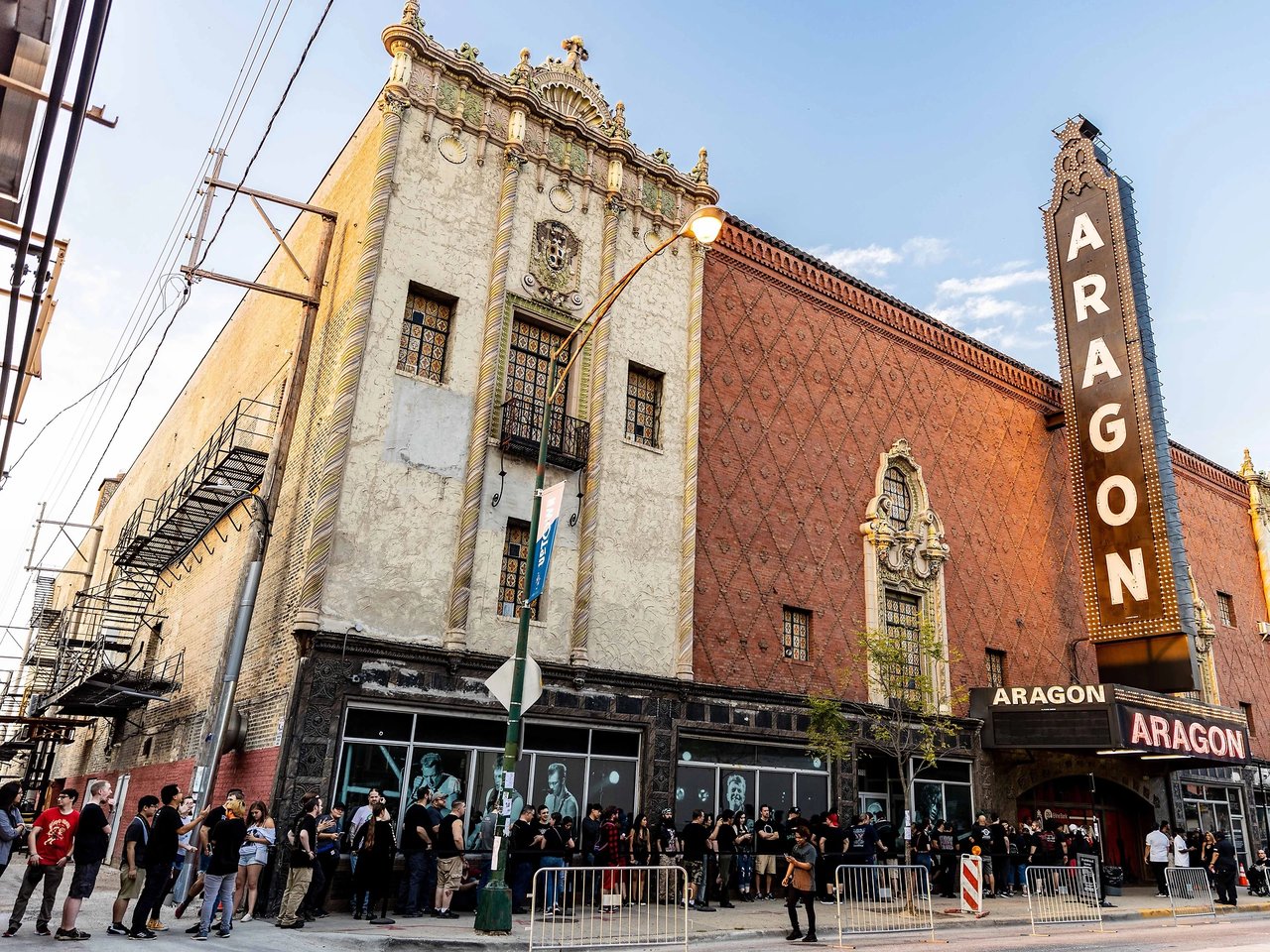
The entertainment district that followed was something remarkable. The Riviera Theatre opened in 1917. The Aragon Ballroom opened in 1926 as a Spanish Moorish dance hall. The Green Mill, which dates to 1907, became one of the city's most storied jazz rooms during Prohibition. And at the center of it all stood the Uptown Theatre, a 4,500-seat movie palace designed by the architects who built the Chicago Theatre downtown, once the largest movie house in the country. On any given night in the 1930s, you could hear Frank Sinatra, Duke Ellington, Glenn Miller, or Benny Goodman within a few blocks of Lawrence and Broadway.
Before any of that, Uptown was film country. Essanay Studios operated on Argyle Street from 1907 to 1916, producing hundreds of early silent pictures. Charlie Chaplin and Gloria Swanson both worked there. The studio's former building still stands, now home to St. Augustine College, and has been designated a Chicago landmark.
The mid-century brought change. As the suburbs expanded and residents moved north and west, the neighborhood's grand hotels and apartment buildings aged, and Uptown developed a grittier identity. Waves of new arrivals settled here across several decades, drawn by affordable rents and proximity to transit. The neighborhood's character shifted repeatedly, and not always easily. But the bones of what had been built in the 1920s never went away. The architecture survived. And starting in the 1970s and accelerating through the 1990s and 2000s, Uptown began the long process of reclaiming what it had always been: one of the great urban neighborhoods on Chicago's North Side.
Today Uptown sits six miles north of the Loop, bounded by Irving Park Road to the south, Foster Avenue to the north, Ravenswood Avenue to the west, and Lake Michigan to the east. It is large enough to contain several distinct sub-neighborhoods, including Buena Park, Sheridan Park, and the Argyle commercial district, each with its own character and architectural identity.
The entertainment district around Lawrence and Broadway remains one of the most concentrated collections of historic performance venues in any American city.
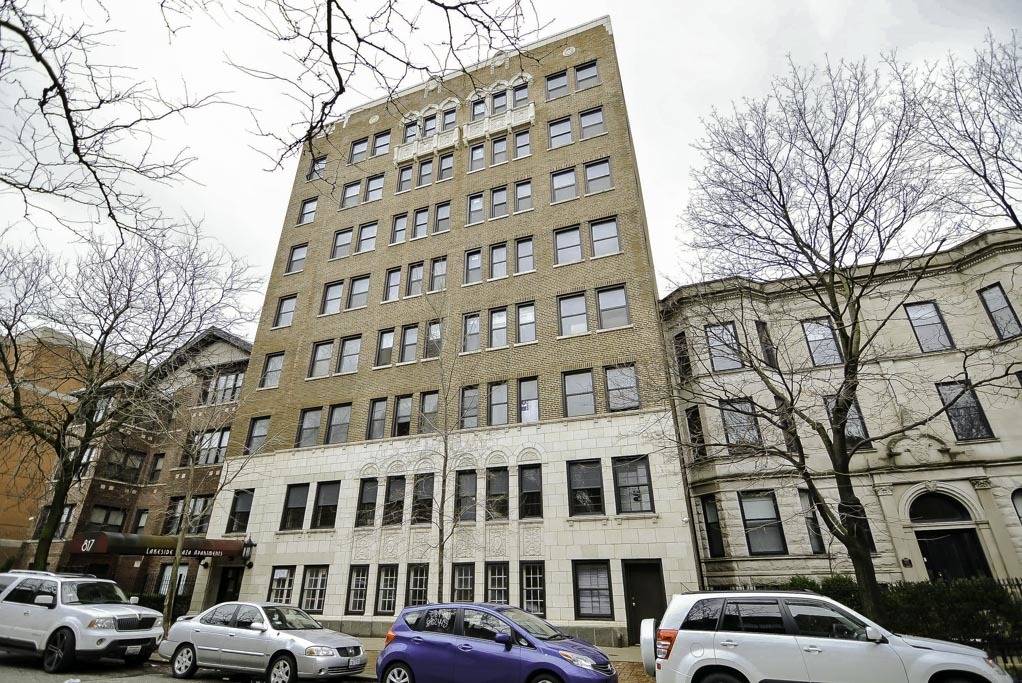
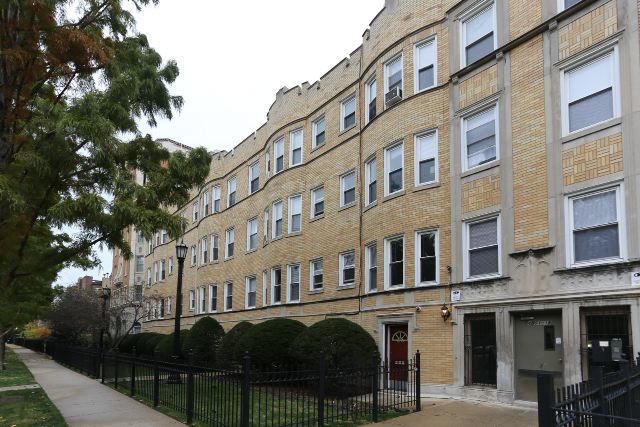
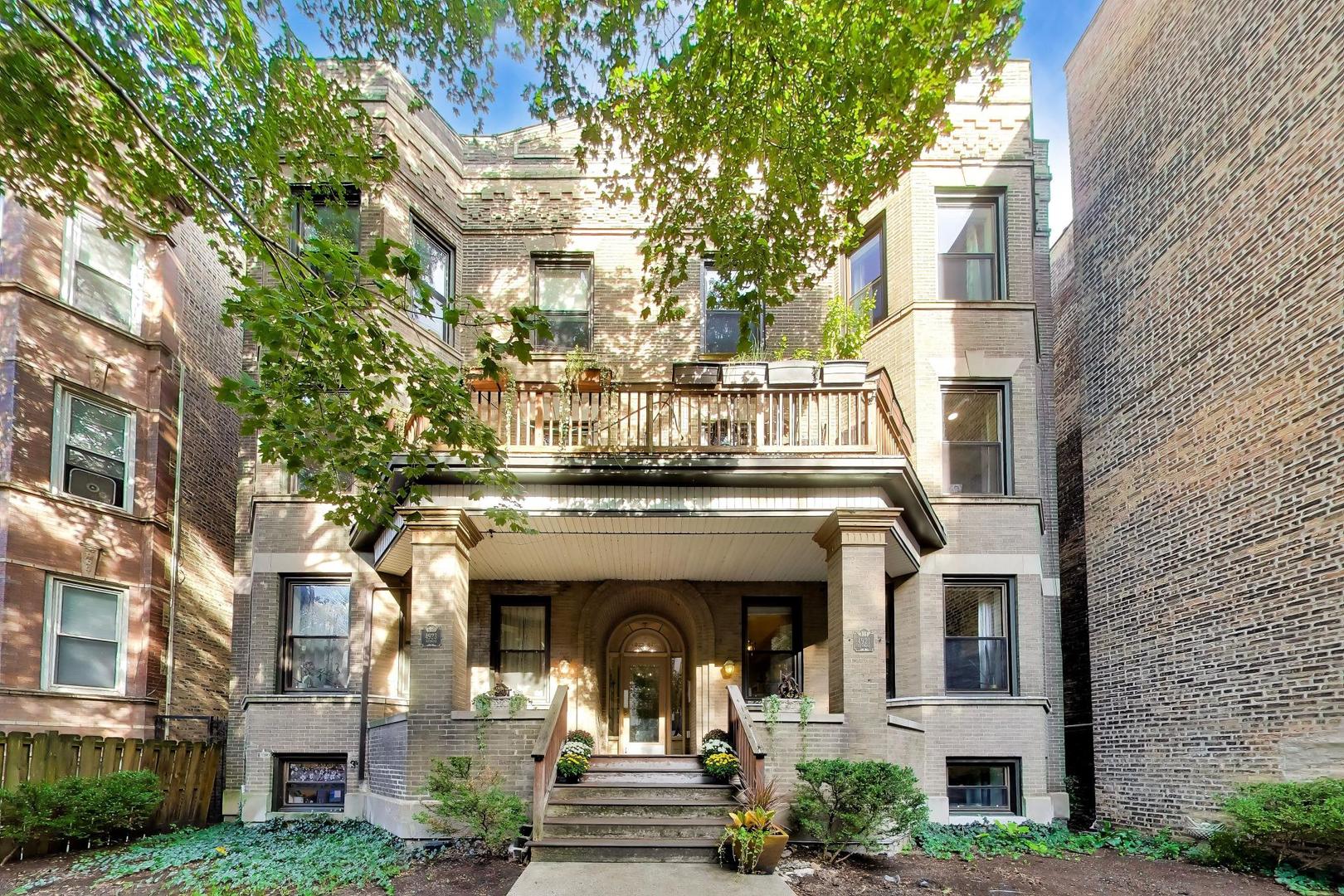
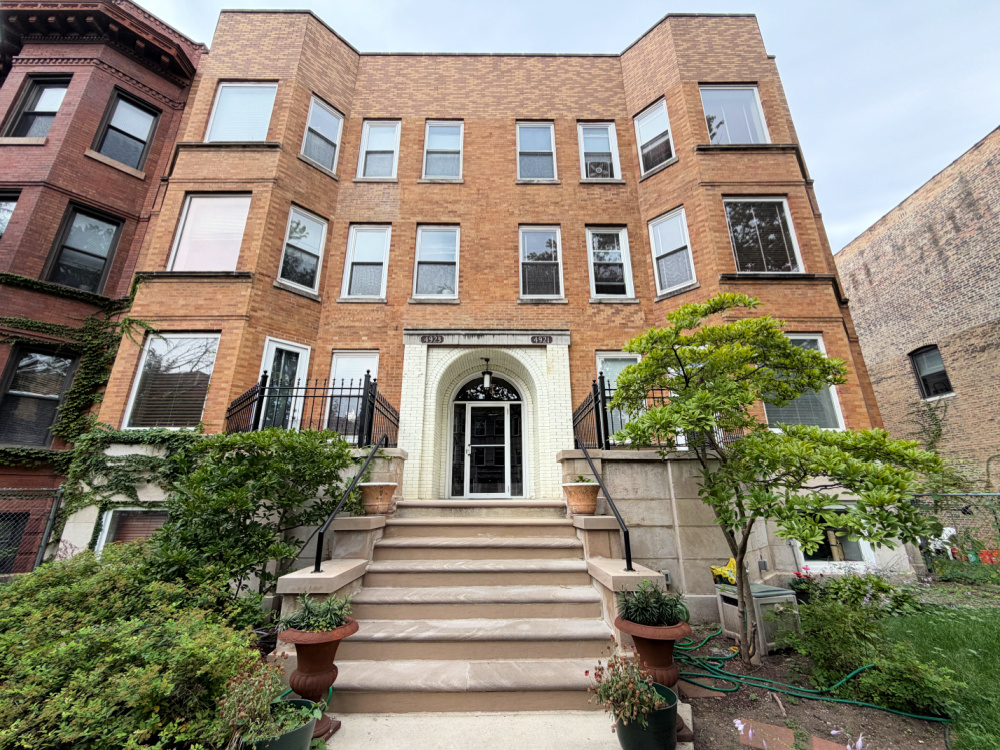
Uptown's housing stock is one of its most compelling features, spanning more than a century of Chicago architectural history in a single walkable neighborhood.
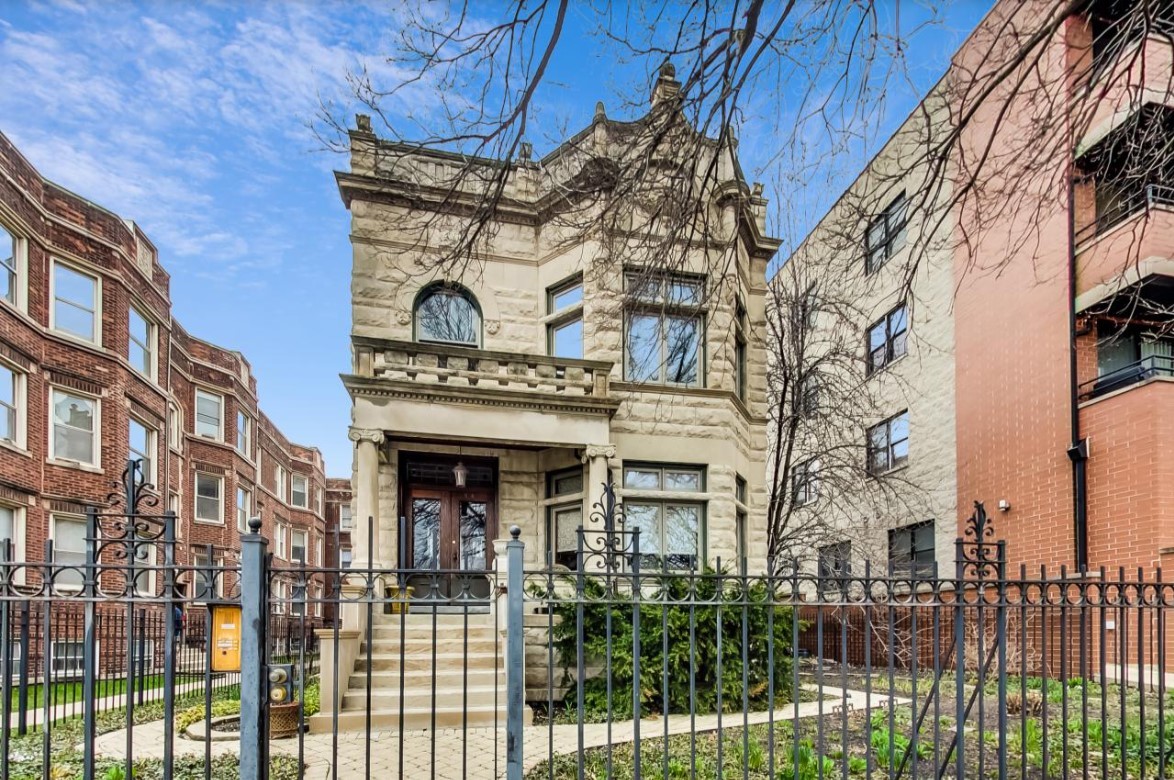
The range is genuinely wide. Buena Park, at the neighborhood's southern end near the lakefront, contains the Hutchinson Street Historic District, described as one of the finest collections of Prairie-style architecture in Chicago. These are large, early 20th-century mansions designed by architects including George W. Maher, set on tree-lined streets that feel a long way from the urban density of Broadway a few blocks over. The Sheridan Park Historic District, a National Landmark District established in 1985, protects a concentration of single-family homes and smaller multi-family buildings roughly bounded by Lawrence, Montrose, Clark, and Broadway. Castlewood Terrace, a charming enclave of 26 single-family homes built between 1897 and 1927, was added to the National Register of Historic Places in 2009.
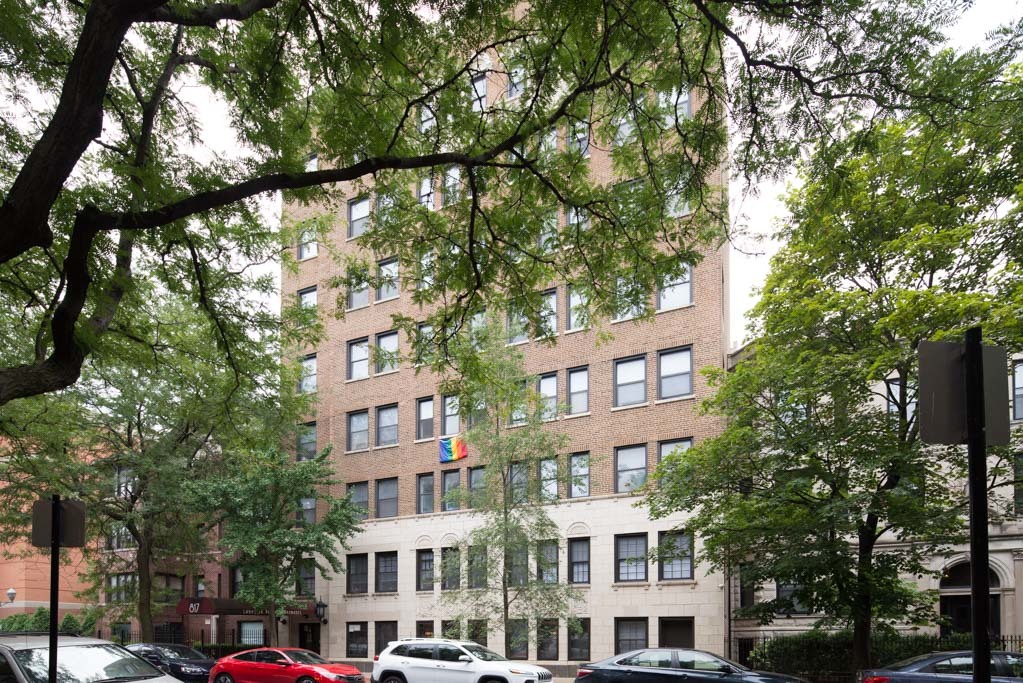
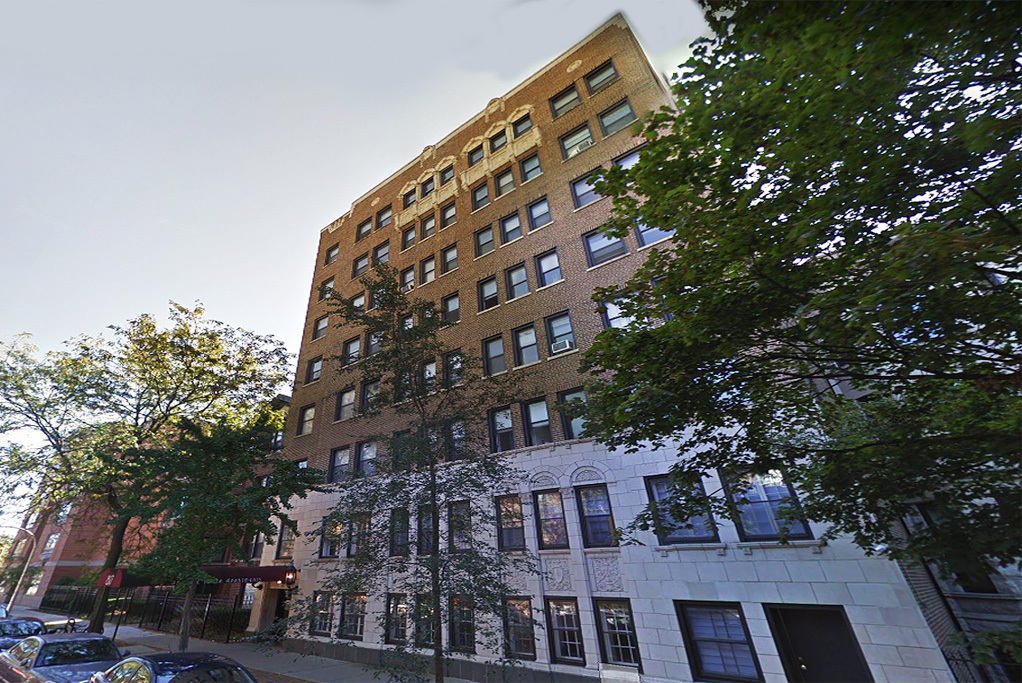
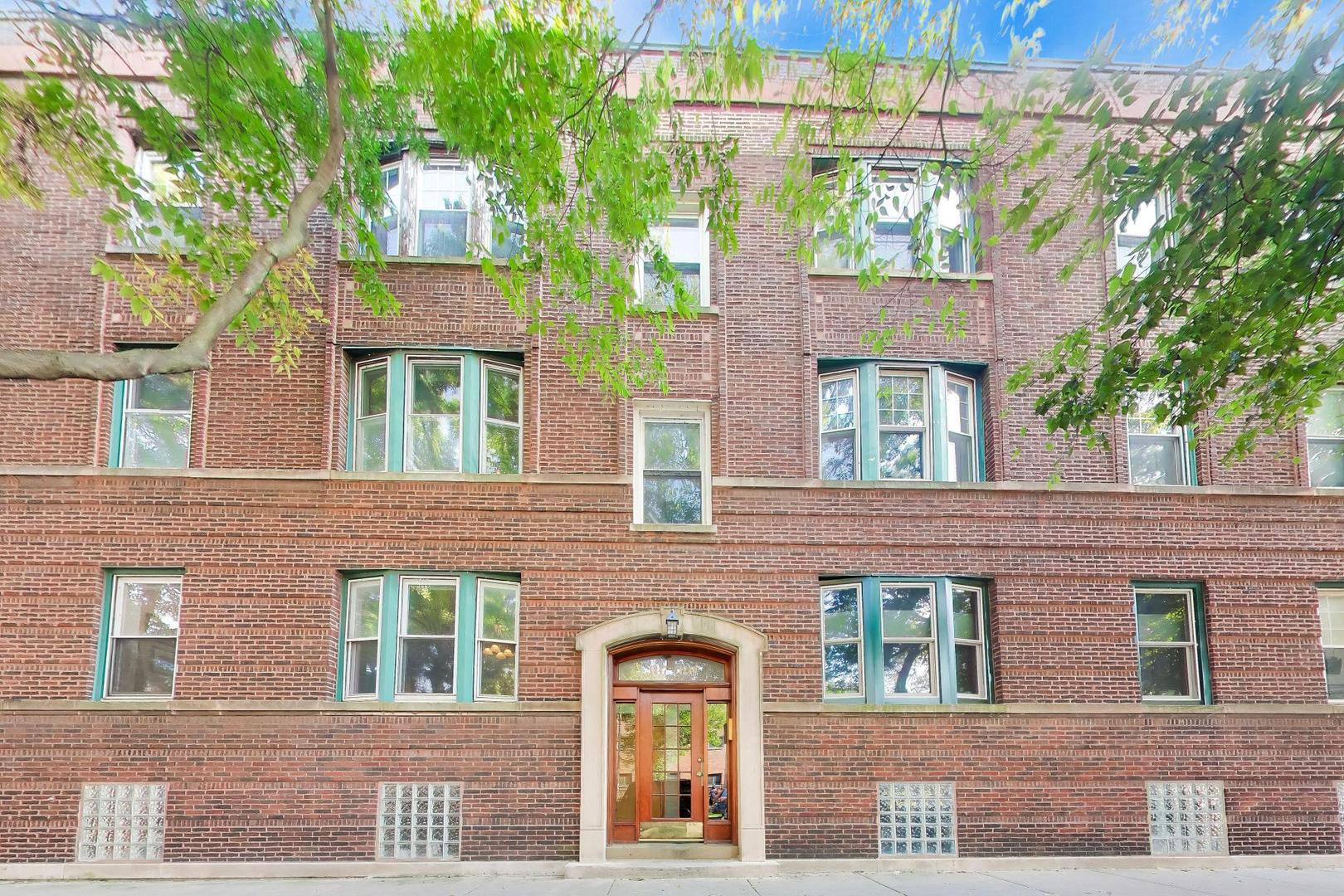
East of Broadway and closer to the lake, the character shifts to high-rise residential buildings alongside vintage courtyard apartments and six-flats. There are also 1920s Jazz Age hotel buildings, several of which have been converted into condos and co-ops, offering unit types you simply will not find anywhere else in the city.
The market has been performing well. Recent median sale prices have been running around $335K, up nearly 12% year over year, with the Uptown/Rogers Park submarket recording one of the strongest single-family price increases in Chicago, up over 17% in the most recent annual comparison. The neighborhood offers meaningful value relative to neighbors like Lakeview and Lincoln Park, with comparable transit access and significantly more architectural distinction.
Uptown is served by three Red Line stations: Argyle, Lawrence, and Wilson. The recently renovated Wilson station is a major hub. Metra's Union Pacific North Line stops at Ravenswood just to the west, connecting residents to Ogilvie Transportation Center downtown and communities north through Kenosha. Multiple express bus routes run along Lake Shore Drive and Broadway. Bike lanes run along both Broadway and Lawrence, and the lakefront trail is a short ride east.
Uptown's entertainment infrastructure is, quite simply, unlike anything else on Chicago's North Side.
The Aragon Ballroom, built in 1926, holds 5,000 people and has hosted acts spanning every genre from big band to heavy metal. The Rolling Stones, U2, Metallica, Nirvana, The Clash, and David Bowie have all played there. The Riviera Theatre, just a block away, opened in 1917 and remains one of the city's best mid-size concert venues. The Green Mill Cocktail Lounge has been operating since 1907 and still hosts live jazz every night of the week. The booth Al Capone reportedly favored is still there. The weekly Uptown Poetry Slam, which has run at the Green Mill for decades, is a Chicago institution in its own right.
The Uptown Theatre, the neighborhood's great unfinished project, holds 4,500 seats in one of the most ornate interiors in American theater architecture. A long-running restoration effort has been working to bring it back. When it reopens, it will be one of the most significant performance spaces in the Midwest.
Carol's Pub has been serving live country music since 1986. The Baton Show Lounge has been presenting performances for over 50 years. The Black Ensemble Theater, founded in 1976 by Jackie Taylor, celebrates the African American artistic tradition through powerful musical productions and an annual Black Playwrights Festival. TimeLine Theatre Company, one of Chicago's most critically lauded companies, is planning to make Uptown its permanent home in 2026.
The Argyle Street corridor is one of Chicago's most distinctive dining destinations. More than 30 restaurants line the blocks between Broadway and Sheridan Road, offering Vietnamese, Thai, Chinese, and Cambodian cuisine. Sun Wah BBQ, a James Beard Award winner, draws diners from across the city for its Beijing duck dinner. Ba Le has been serving banh mi since 1988. The Argyle Night Market runs Thursday evenings through July and August, drawing thousands of visitors for street food, music, and outdoor performances.
For outdoor life, Montrose Beach is Uptown's crown jewel. It offers a sandy beach, volleyball courts, kayak rentals, a dog-friendly section, and Montrose Harbor for recreational boating. The Montrose Point Bird Sanctuary draws birdwatchers year-round, with over 340 species documented on the flyway. Graceland Cemetery, established in 1860 on 121 acres, is a certified arboretum and the final resting place of architect Daniel Burnham, Ludwig Mies van der Rohe, and many of Chicago's most consequential figures. It is worth visiting in any season.
The Wilson Red Line station features an outdoor gallery of more than 24 murals and sculptures by an international cohort of artists. Annual neighborhood events include Pivot Arts Fest in June, Windy City Ribfest in July, and the Argyle Night Market through the summer months.
Uptown has always been a neighborhood of big ambitions and bigger architecture. The entertainment legacy is real, the transit access is exceptional, and the housing market offers genuine value in a neighborhood that is clearly on the move. For buyers willing to look past the more familiar names to the south, Uptown rewards the attention.
A genuine range. Buena Park has Prairie-style mansions in the Hutchinson Street Historic District, Sheridan Park has single-family homes and smaller multi-family buildings, and east of Broadway you'll find vintage courtyard apartments, six-flats, and condos converted from 1920s Jazz Age hotel buildings. Michael can walk you through which style fits what you're looking for.
Often, yes. Uptown offers comparable transit access and more architectural distinction than some of its better-known neighbors to the south, while typically carrying a lower price point. Ask Michael for a side-by-side comparison based on current inventory.
Ready to explore homes for sale in Uptown? Browse current listings below, or reach out to discuss what's available and what fits your goals.
57,331 people live in Uptown, where the median age is 37 and the average individual income is $55,454. Data provided by the U.S. Census Bureau.
Total Population
Median Age
Population Density Population Density This is the number of people per square mile in a neighborhood.
Average individual Income
There's plenty to do around Uptown, including shopping, dining, nightlife, parks, and more. Data provided by Walk Score and Yelp.
Explore popular things to do in the area, including Thrift Mart, Fresh Foods, and Pokiology.
| Name | Category | Distance | Reviews |
Ratings by
Yelp
|
|---|---|---|---|---|
| Dining | 0.12 miles | 0 reviews | 0/5 stars | |
| Dining | 0.29 miles | 0 reviews | 0/5 stars | |
| Dining | 0.29 miles | 0 reviews | 0/5 stars | |
| Dining | 0.32 miles | 0 reviews | 0/5 stars | |
| Dining | 0.37 miles | 0 reviews | 0/5 stars | |
| Dining | 0.55 miles | 0 reviews | 0/5 stars | |
| Shopping | 0.56 miles | 0 reviews | 0/5 stars | |
| Shopping | 0.91 miles | 0 reviews | 0/5 stars | |
| Active | 0.11 miles | 0 reviews | 0/5 stars | |
| Active | 0.48 miles | 1 review | 5/5 stars | |
| Active | 0.48 miles | 3 reviews | 5/5 stars | |
| Active | 0.7 miles | 0 reviews | 0/5 stars | |
| Active | 0.96 miles | 1 review | 5/5 stars | |
| Beauty | 0.24 miles | 0 reviews | 0/5 stars | |
| Beauty | 0.39 miles | 1 review | 5/5 stars | |
| Beauty | 0.57 miles | 3 reviews | 2.3/5 stars | |
| Beauty | 0.59 miles | 0 reviews | 0/5 stars | |
| Beauty | 0.7 miles | 0 reviews | 0/5 stars | |
| Beauty | 0.73 miles | 0 reviews | 0/5 stars | |
|
|
||||
|
|
||||
|
|
||||
|
|
||||
|
|
||||
|
|
Uptown has 32,643 households, with an average household size of 2. Data provided by the U.S. Census Bureau. Here’s what the people living in Uptown do for work — and how long it takes them to get there. Data provided by the U.S. Census Bureau. 57,331 people call Uptown home. The population density is 42,662 and the largest age group is Data provided by the U.S. Census Bureau.
Total Population
Population Density Population Density This is the number of people per square mile in a neighborhood.
Median Age
Men vs Women
Population by Age Group
0-9 Years
10-17 Years
18-24 Years
25-64 Years
65-74 Years
75+ Years
Education Level
Total Households
Average Household Size
Average individual Income
Households with Children
With Children:
Without Children:
Marital Status
Blue vs White Collar Workers
Blue Collar:
White Collar: