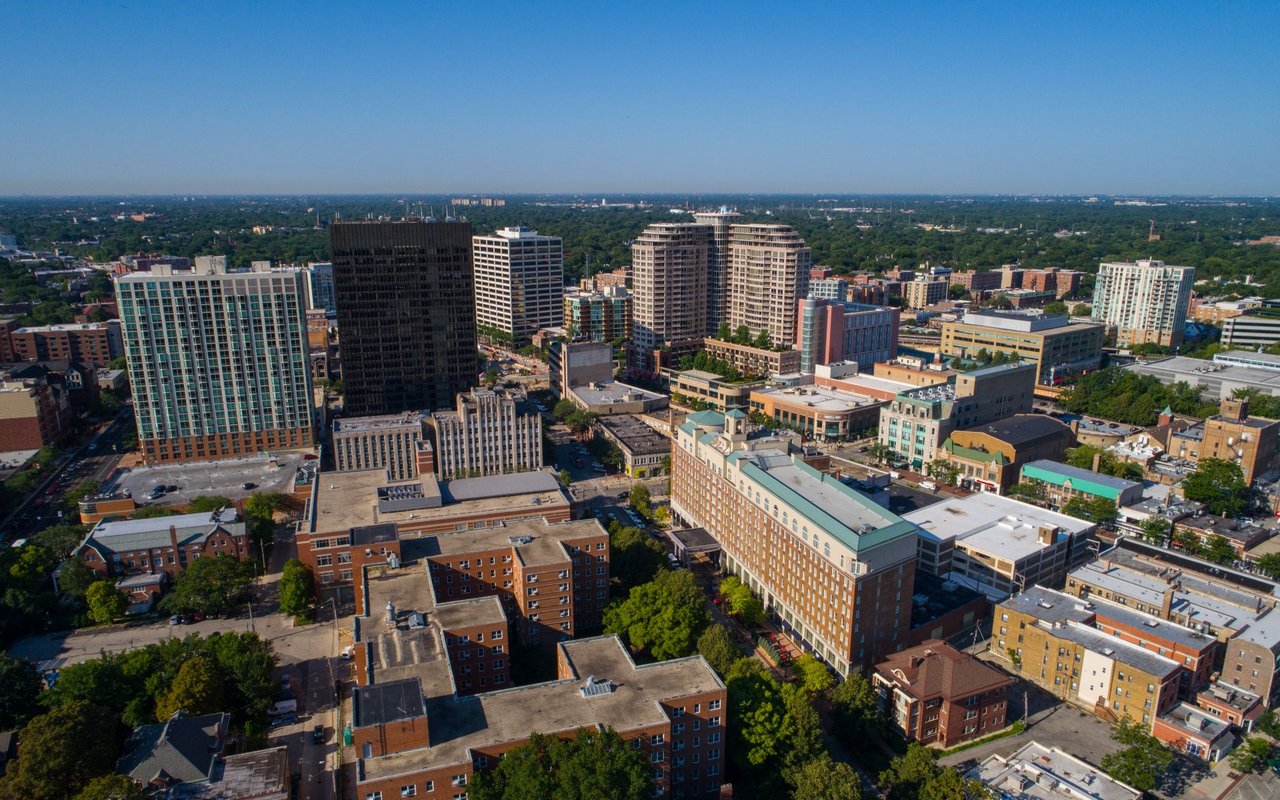
Evanston is the first suburb north of Chicago, and in many ways it is the least suburb-like of any community on the North Shore. It has a walkable downtown that functions like a small city's. It has five beaches and six miles of lakefront. It has Northwestern University, one of the country's great research institutions, anchoring its eastern edge along Lake Michigan. It has a brewing and distilling scene built, with some humor, on the ruins of a community that was dry for over a century. And it has a history that is genuinely unusual among Illinois municipalities.
If you're browsing homes for sale in Evanston, or just starting to get a feel for real estate on this stretch of the North Shore, that combination is exactly why so many buyers start their search here.
Before Northwestern's charter was approved in January 1851, the area had few permanent settlers. The University's founders, Methodist businessmen from Chicago, purchased land along Lake Michigan and built what became the city of Evanston around it. The city was named for John Evans, one of Northwestern's founders, who bought 379 acres along the lake in 1853. Evanston was incorporated in 1863, and its first formal act was to create an ordinance banning the sale of alcohol within four miles of the University. That prohibition stayed in place for well over a century. Evanston remained a dry town until 1972.
The temperance history produced one of the most significant women's civic organizations in American history. Frances Willard, the first Dean of the Woman's College at Northwestern, became a founding member of the Woman's Christian Temperance Union in 1874 and later its second national president. The WCTU grew into the largest women's organization in the United States, advocating not only for temperance but for women's suffrage, labor reform, and educational rights. Willard's home at 1730 Chicago Avenue is now the Frances Willard House Museum, a National Historic Landmark open to the public. The WCTU's national headquarters, built in 1910, still stands in Evanston and operates as a historic building on the National Register of Historic Places.
The city's first landmark, the Grosse Point Lighthouse, was built in 1873 following a series of devastating Lake Michigan shipwrecks. Standing 113 feet tall and visible for miles, it guided vessels safely along the shoreline until it was automated in the 1930s. Today it remains one of the most recognized structures on the North Shore and is listed on the National Register of Historic Places.
Northwestern University's campus, which wraps around the lakefront from the southern to the northern sections of the city, produces a constant current of academic, athletic, and cultural activity that no other North Shore community can match. The university was the third-largest in the United States by 1900, became a founding member of the Big Ten Conference in 1896, and today operates eleven schools across undergraduate, graduate, and professional programs in law, medicine, journalism, engineering, and management. Its presence means that Evanston's cultural calendar, restaurant scene, and civic life operate at a scale considerably larger than a city of 78,000 would typically support.
Today Evanston covers approximately 8 square miles in Cook County, bordered by Chicago to the south, Skokie to the west, Wilmette to the north, and Lake Michigan to the east. It is roughly 11 miles north of the Loop and functions, by the accounts of nearly everyone who has spent time here, more like a mid-sized city than a suburb. Its commercial districts, arts infrastructure, transit options, and housing range all reflect that reality.
Evanston operates three distinct commercial districts, each with a different character and each serving a different section of the community.
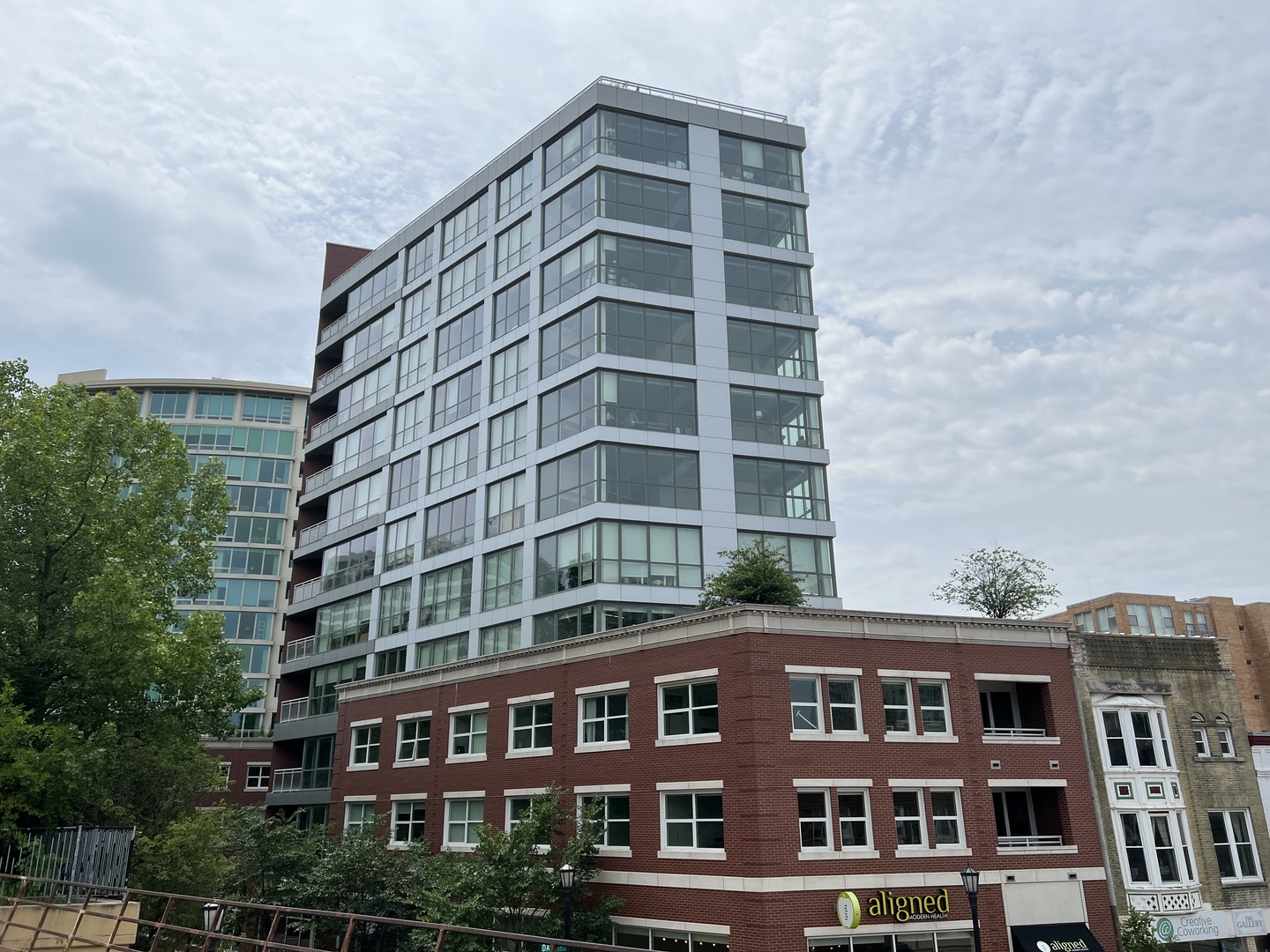
Downtown Evanston, centered on Sherman Avenue and Davis Street near the Davis Street Metra and CTA Purple Line stations, is the city's primary commercial core and the most urban of any North Shore downtown. It operates at a scale and density closer to a mid-sized city's business district than a typical suburban Main Street. Close to 90 restaurants and cafes serve Downtown Evanston and its surrounding blocks. Union Pizzeria and Evanston SPACE, which share a building on the downtown grid, have been a community anchor since 2008. SPACE is one of Chicagoland's most respected intimate music venues, with capacity for around 400 and a booking calendar that ranges from jazz and blues to folk and rock, with state-of-the-art sound in a candle-lit room. The venue underwent a major renovation and expansion in 2025, adding a new lobby, bar, and outdoor patio.
Evanston's brewing and distilling scene developed with a particular sense of history. FEW Spirits, whose name is widely understood to pay tribute to Frances E. Willard's initials, became the city's first legal distillery when it opened in 2011, in the same dry town that had banned alcohol for over a century. Temperance Beer Company operates a taproom and brewing operation in the city with deliberate tongue-in-cheek branding. Smylie Brothers Brewing and Sketchbook Brewing add additional options to a craft beverage scene that would have been unimaginable 55 years ago.
The dining range in downtown Evanston is serious. Found Kitchen and Social House has been recognized for its farm-driven menu. Dozika brings pan-Asian cooking to the Davis Street corridor. Trattoria Demi, Tapas Barcelona, Koi Fine Asian Cuisine, and Peppercorns Kitchen represent the depth of the global dining scene. The Custer Street Oasis, a beloved summer outdoor dining pop-up in southeast Evanston, anchors the Main-Dempster Mile district's warm-weather calendar.
Central Street, at the northern end of Evanston near the Wilmette border, is the city's second commercial corridor and operates at a quieter, more residential scale. Independent boutiques, bakeries, coffee shops, and neighborhood restaurants line several blocks in a setting that functions as the commercial heart of North Evanston. Bookends and Beginnings, a beloved independent bookstore, anchors the corridor's literary life. The Central Street Farmers Market runs on Saturdays through the growing season.
The arts infrastructure in Evanston is exceptional relative to its population. The Mary and Leigh Block Museum of Art on Northwestern's campus offers free admission to three galleries with rotating exhibits and a 5,000-piece permanent collection. The Mitchell Museum of the American Indian, one of only a handful of museums in the country dedicated exclusively to Native American and First Nations art and history, operates on Central Street. The Halim Time and Glass Museum, opened in 2020, houses over 1,100 timepieces and a significant collection of Tiffany and stained glass works. The Evanston History Center occupies the Charles Gates Dawes House, a National Historic Landmark with 25 rooms, 12 fireplaces, and original furnishings, offering docent-led tours and a walking tour program that covers Evanston's historic neighborhoods throughout spring, summer, and fall.
Evanston's five beaches, all accessible along the lakefront east of Sheridan Road, include South Boulevard, Greenwood Street, Clark Street, Lee Street, and Lighthouse Landing near the Grosse Point Lighthouse. The lakefront parks feature a sailing club, kayak rentals, a summer ice skating lagoon at Clark Street Beach, playgrounds, and the lakefront trail running the length of the city's eastern border. The annual Taste of Evanston, held on the lawn of the Dawes House each September, brings over 40 restaurants together for a community food festival that has run for over a decade. The Evanston Farmers Market, held downtown on Saturdays from May through November, is one of the largest and most active on the North Shore.
Evanston is not a suburb that gradually becomes a city. It is a city that also happens to be a suburb, and the distinction matters. The transit access, the arts infrastructure, the university energy, the lakefront, the dining range, and the housing variety all operate at a scale that is simply not available in the quieter communities further north. For buyers who want the North Shore setting with the full texture of urban civic life, Evanston is where that combination exists.
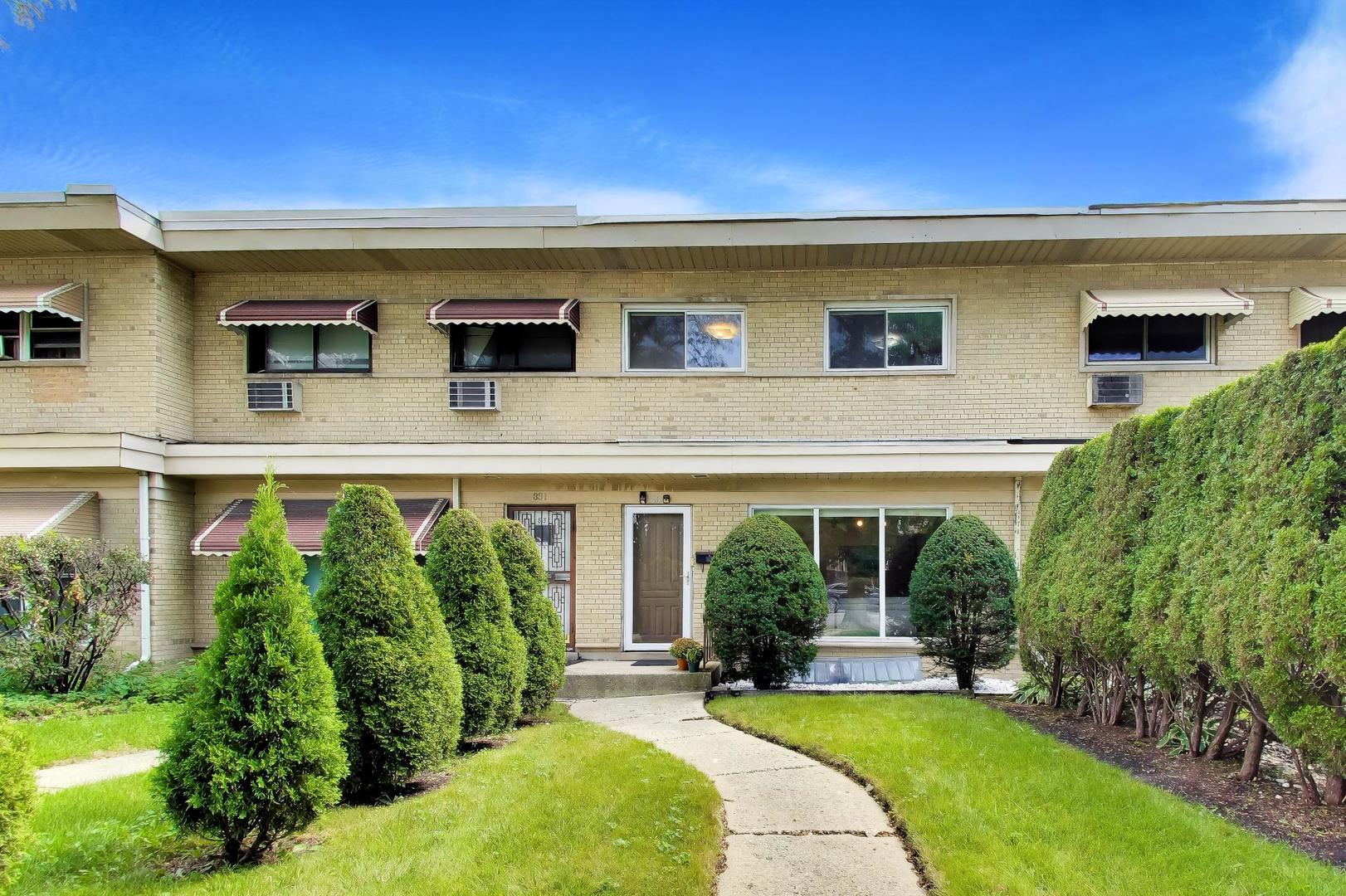
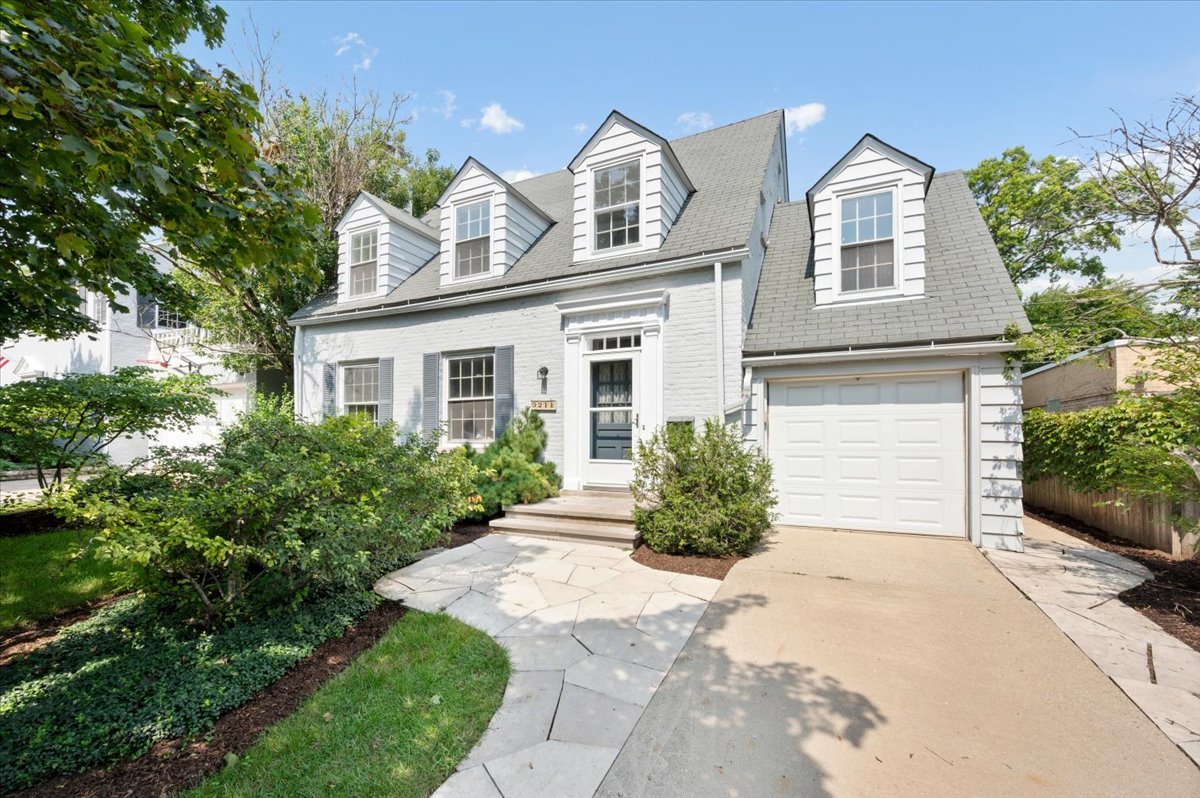
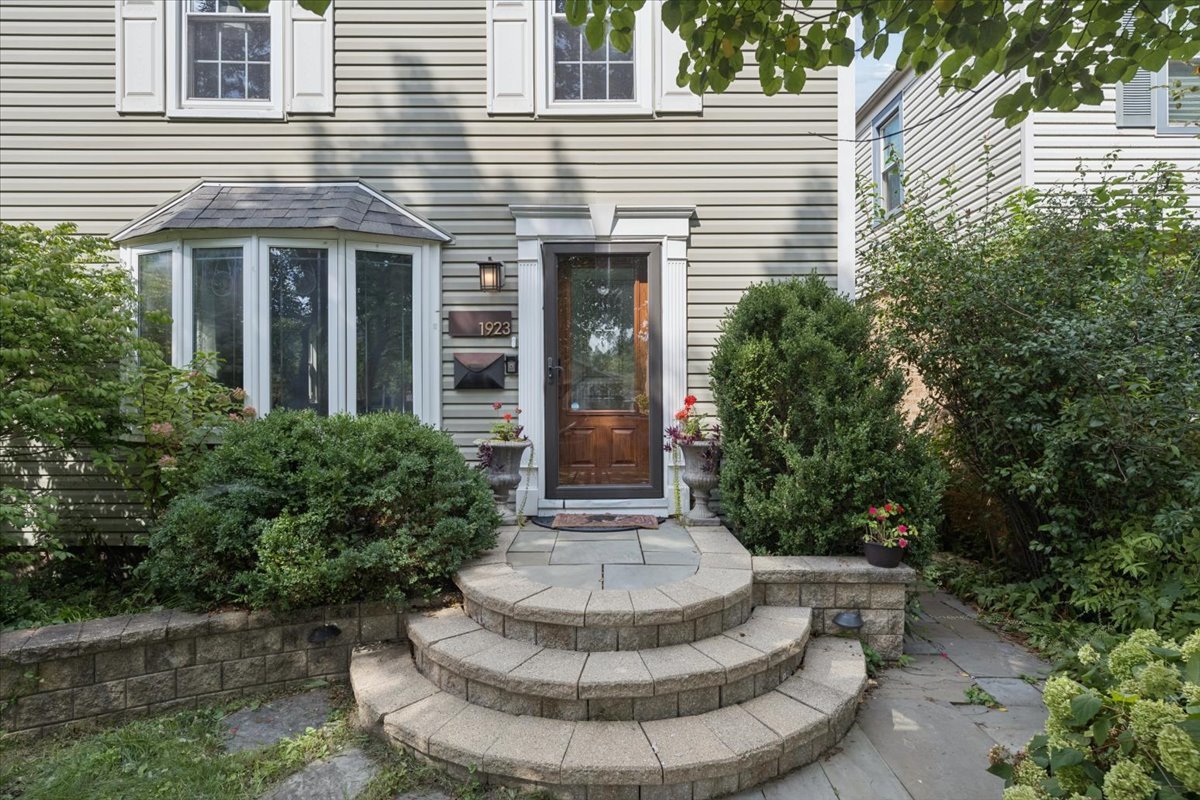
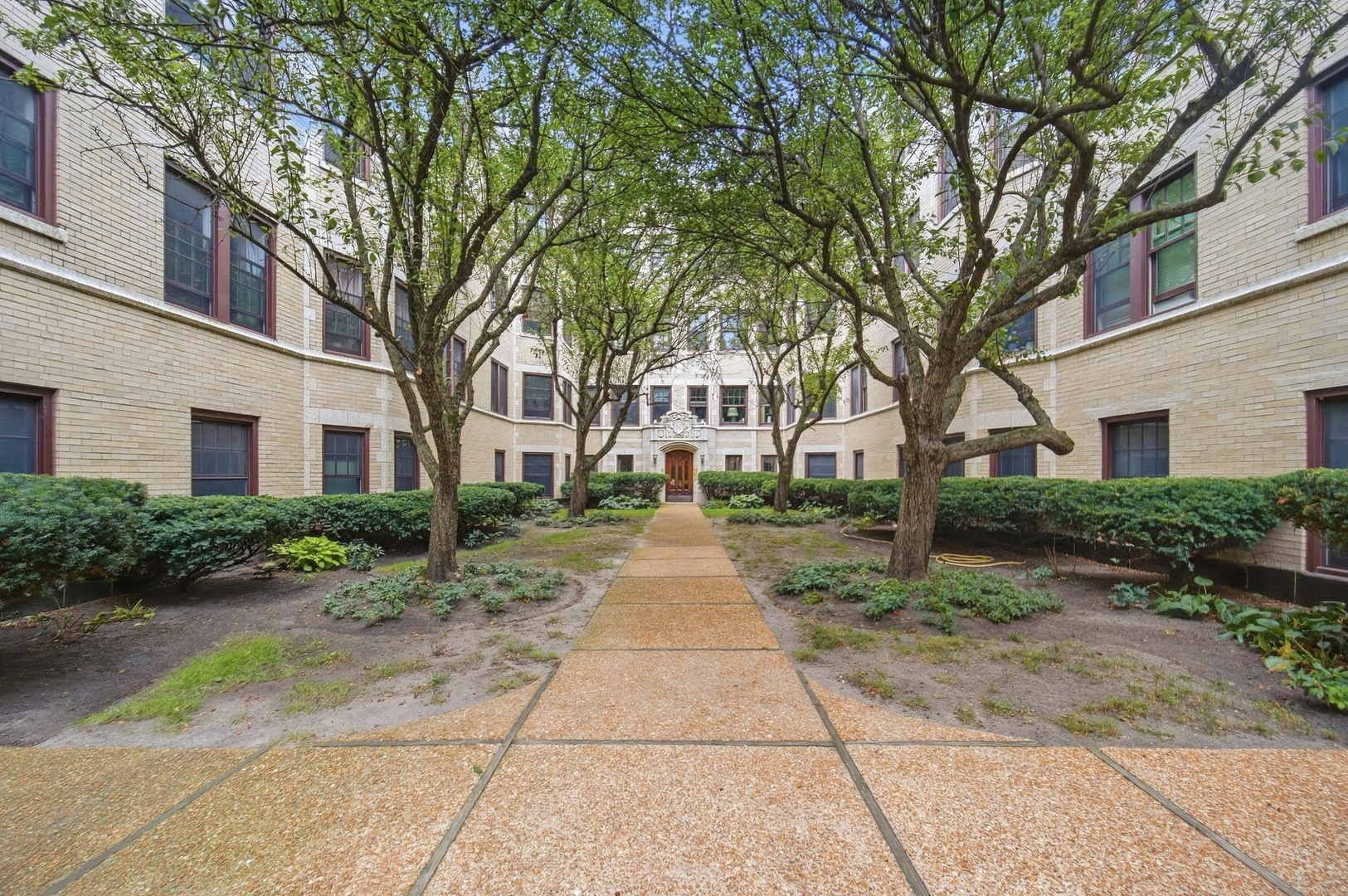
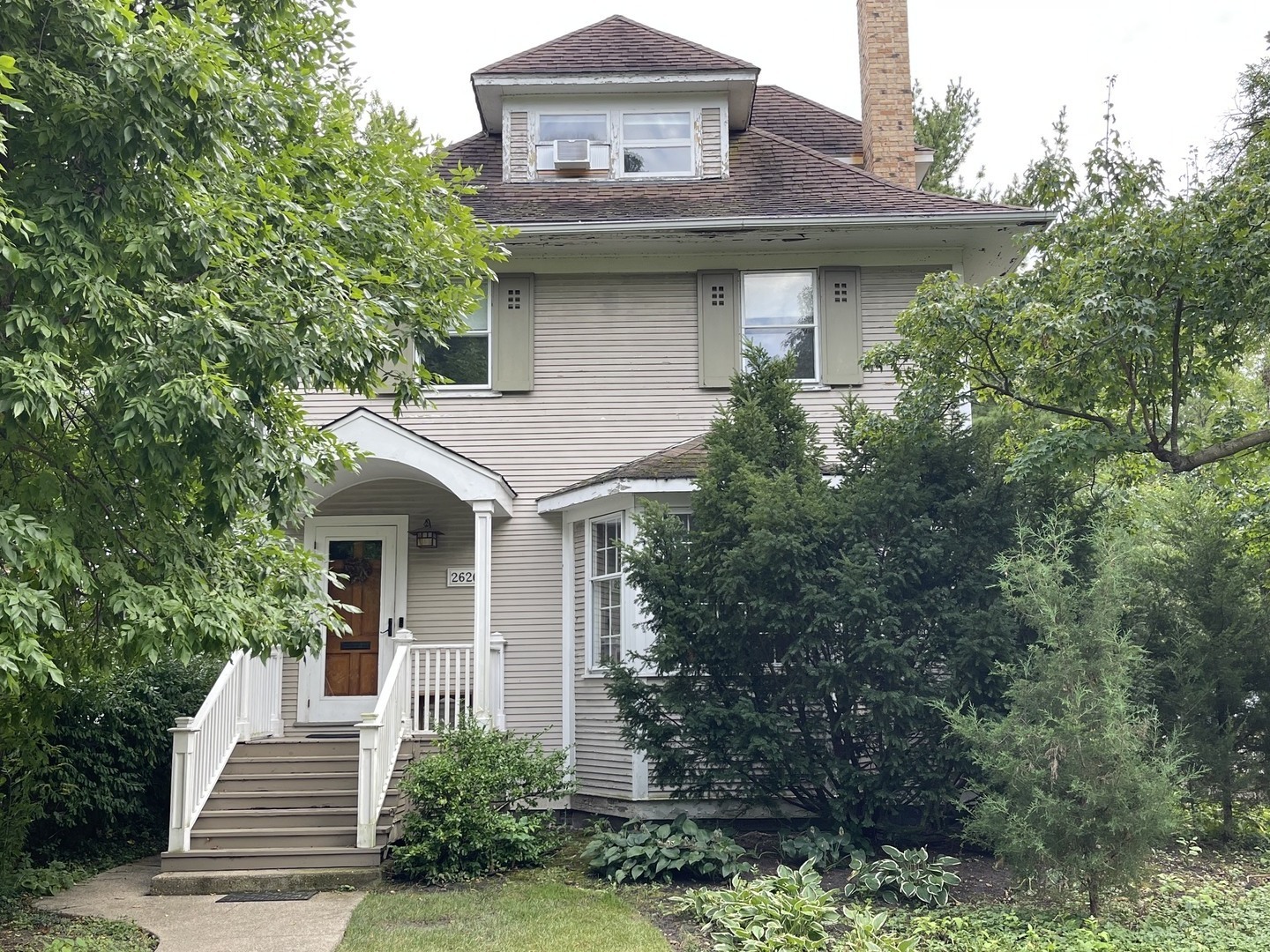
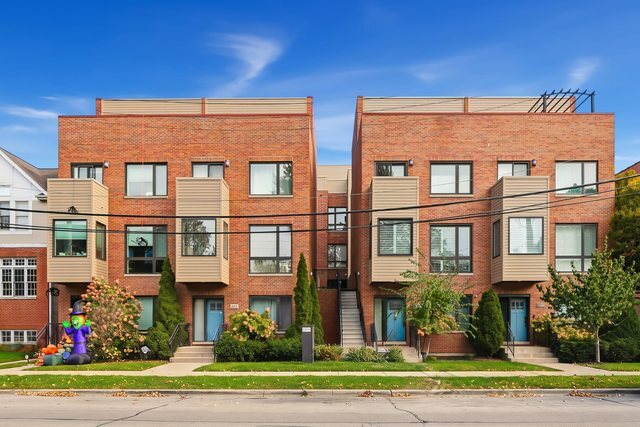
Evanston is a competitive, fast-moving market for a lot of the year, especially for well-priced homes near downtown, the lakefront, or Northwestern's campus. Housing stock ranges from vintage courtyard apartments and single-family homes near downtown to larger houses further from the lake. Buyers should expect to compete for the most desirable listings and have financing ready before touring.
Evanston is generally the most accessible entry point on the North Shore corridor. Median sale prices have run in the high $300,000s to low $400,000s range recently, well below towns like Wilmette, Winnetka, Glencoe, and Kenilworth further north. It's often the starting point for buyers who want North Shore access without North Shore price tags.
Many buyers looking in Evanston are doing exactly that. The walkable downtown, dense coffee shop and cafe scene, and mix of housing types, from condos to single-family homes with room for a dedicated office, make it a popular choice for remote workers who still want an easy commute into Chicago when needed, whether by Metra or the CTA Purple Line.
Evanston is often described by its commercial districts and general areas rather than formal neighborhoods: downtown Evanston around Sherman Avenue and Davis Street, Central Street near the Wilmette border, the lakefront blocks east of Sheridan Road, and the areas surrounding Northwestern's campus. Each has a distinct feel, from downtown's density to Central Street's quieter, more residential character.
Homes in Evanston are averaging 33 days on market right now, and selling at 101 percent of list price. That means well-priced listings are typically closing above asking, not just meeting it.
Ready to explore homes for sale in Evanston? Browse current listings below, or reach out to discuss what's available and what fits your goals.
81,106 people live in Evanston, where the median age is 37.4 and the average individual income is $66,189. Data provided by the U.S. Census Bureau.
Total Population
Median Age
Population Density Population Density This is the number of people per square mile in a neighborhood.
Average individual Income
There's plenty to do around Evanston, including shopping, dining, nightlife, parks, and more. Data provided by Walk Score and Yelp.
Explore popular things to do in the area, including Ornua Foods North America, Babylon Discount Food, and First Cut Produce.
| Name | Category | Distance | Reviews |
Ratings by
Yelp
|
|---|---|---|---|---|
| Dining | 0.31 miles | 1 review | 5/5 stars | |
| Dining | 0.47 miles | 2 reviews | 3/5 stars | |
| Dining | 0.48 miles | 0 reviews | 0/5 stars | |
| Dining | 0.59 miles | 3 reviews | 2.3/5 stars | |
| Dining | 0.8 miles | 0 reviews | 0/5 stars | |
| Active | 0.31 miles | 0 reviews | 0/5 stars | |
| Active | 0.54 miles | 0 reviews | 0/5 stars | |
| Active | 0.61 miles | 0 reviews | 0/5 stars | |
| Active | 0.67 miles | 0 reviews | 0/5 stars | |
| Active | 0.73 miles | 0 reviews | 0/5 stars | |
| Active | 0.77 miles | 0 reviews | 0/5 stars | |
| Active | 0.84 miles | 3 reviews | 4/5 stars | |
| Active | 0.86 miles | 0 reviews | 0/5 stars | |
| Nightlife | 0.67 miles | 0 reviews | 0/5 stars | |
| Beauty | 0.39 miles | 0 reviews | 0/5 stars | |
| Beauty | 0.39 miles | 0 reviews | 0/5 stars | |
| Beauty | 0.44 miles | 0 reviews | 0/5 stars | |
| Beauty | 0.51 miles | 0 reviews | 0/5 stars | |
| Beauty | 0.56 miles | 0 reviews | 0/5 stars | |
| Beauty | 0.69 miles | 0 reviews | 0/5 stars | |
| Beauty | 0.8 miles | 0 reviews | 0/5 stars | |
| Beauty | 0.8 miles | 0 reviews | 0/5 stars | |
| Beauty | 0.8 miles | 0 reviews | 0/5 stars | |
| Beauty | 0.8 miles | 0 reviews | 0/5 stars | |
|
|
||||
|
|
||||
|
|
||||
|
|
||||
|
|
||||
|
|
Evanston has 33,076 households, with an average household size of 2.413333333333333. Data provided by the U.S. Census Bureau. Here’s what the people living in Evanston do for work — and how long it takes them to get there. Data provided by the U.S. Census Bureau. 81,106 people call Evanston home. The population density is 9,935 and the largest age group is Data provided by the U.S. Census Bureau.
Total Population
Population Density Population Density This is the number of people per square mile in a neighborhood.
Median Age
Men vs Women
Population by Age Group
0-9 Years
10-17 Years
18-24 Years
25-64 Years
65-74 Years
75+ Years
Education Level
Total Households
Average Household Size
Average individual Income
Households with Children
With Children:
Without Children:
Marital Status
Blue vs White Collar Workers
Blue Collar:
White Collar: