Moving from Chicago to the North Shore is really several decisions at once: which town, which commute, what you'll trade for more space, and how to time selling your city place against buying the new one. Here's how I'd think it through.
Start with the commute
If your job keeps you downtown, the commute is the first real test of whether this move makes sense. It's also the one people underestimate most before they move and think about most after.
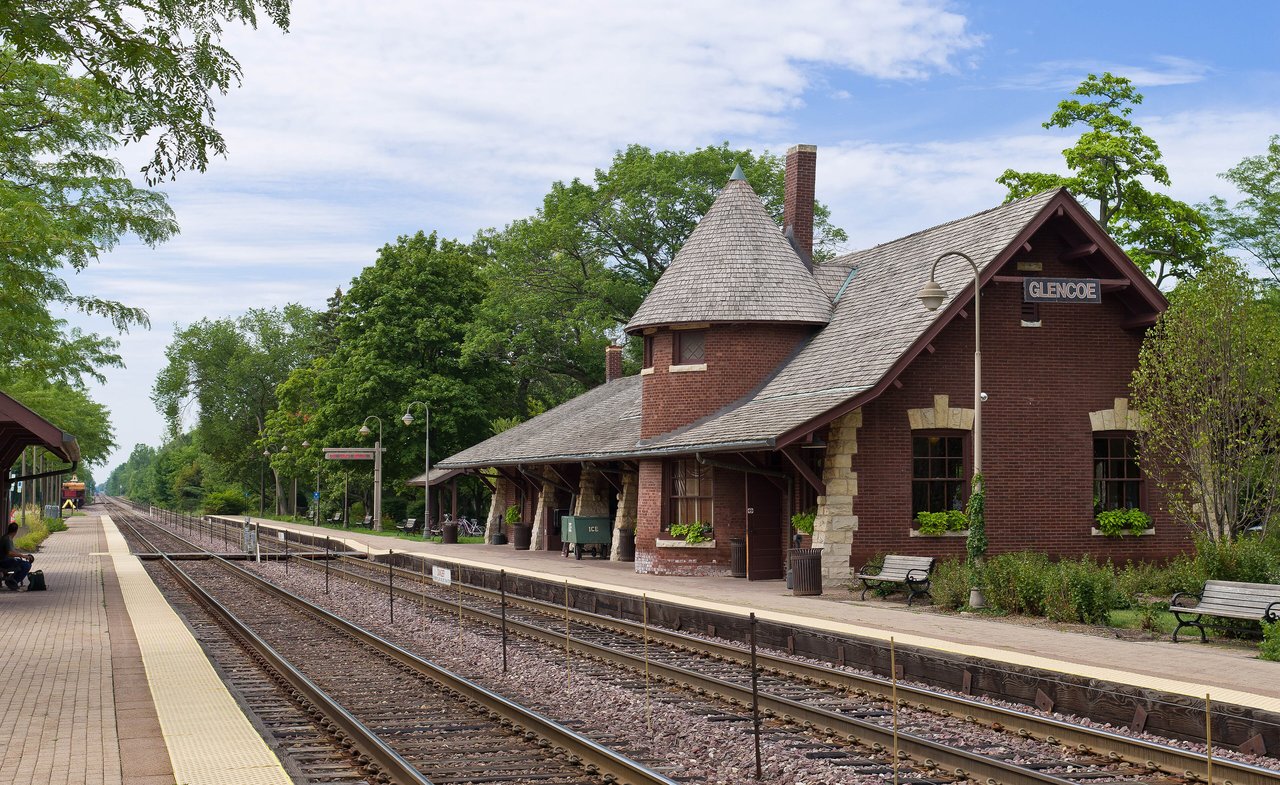
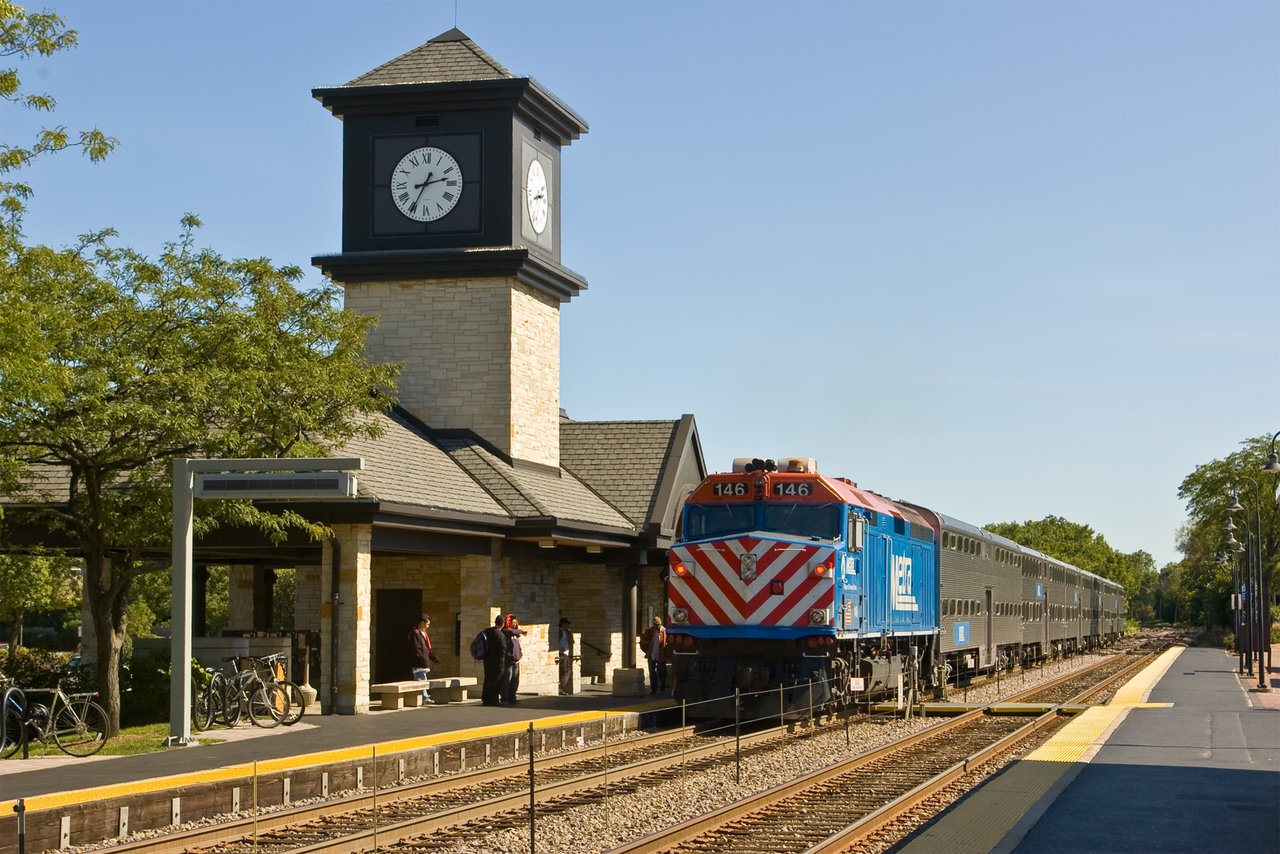
The trains aren't the same for every town:
- Evanston has both the CTA Purple Line and Metra's Union Pacific North line.
- Wilmette has Metra plus the Purple Line terminal at Linden.
- Kenilworth, Winnetka and Glencoe are on Metra's Union Pacific North line into Ogilvie.
- Glenview is on Metra's Milwaukee District North line, which runs into Union Station.
Test the actual commute before you commit to a town. Ride the train at the time you'd really be riding it. Walk from the station to a house you're considering in January, not just June. A ten-minute walk sounds fine until it's fifteen degrees out and you're carrying groceries. None of this is a dealbreaker for most people, but it separates a smooth move from a frustrating one, and it costs nothing to check.
If you work hybrid or fully remote, more of the North Shore opens up, because you're not optimizing as hard for train frequency and station walkability.
The towns aren't interchangeable
A lot of city-to-suburb searches go sideways because buyers treat "the North Shore" as one place with one price point and one feel. It isn't. Here's a snapshot from June 2026:
Town | Median sale price | Avg. days on market | List-to-sale ratio |
|---|---|---|---|
Evanston | $450,000 | 33 days | 100.5% |
Wilmette | $1,100,000 | 28 days | 103.3% |
Winnetka | $1,900,000 | 39 days | 103.2% |
Glenview | $704,000 | 34 days | 100.4% |
Glencoe | [ADD: MRED June 2026] | [ADD] | [ADD] |
Kenilworth | [ADD: MRED June 2026] | [ADD] | [ADD] |
Source: MRED (Midwest Real Estate Data), June 2026.
Two things stand out. The price spread is wide for towns a few miles apart, from a $450K median in Evanston to $1.9M in Winnetka. And pace differs too. Wilmette homes averaged 28 days on market, while Winnetka averaged 39.
Each town also has its own character:
- Evanston works more like a small city than a suburb, with a walkable downtown, Northwestern, and the most city-like pace on the North Shore.
- Wilmette pairs lakefront access at Gillson Park with an active downtown.
- Kenilworth is small and almost entirely residential, with a lakefront beach. Most errands happen in Wilmette or Winnetka.
- Winnetka has historic homes and several walkable business districts, including Hubbard Woods.
- Glencoe is smaller and quieter, home to the Chicago Botanic Garden and Writers Theatre.
- Glenview sits farther west, with a wider range of housing types, including condos and townhomes near downtown and The Glen.
"The North Shore" isn't a search strategy. A specific town, matched to your budget and your commute, is.
What you're really trading
The people who make this move and stay happy with it aren't chasing square footage for its own sake. They're trading the constant hum of city life, the traffic and sirens and the neighbor's music through the wall, for a quieter pace and a different relationship to their own block.
That's not a knock on city living. Some people move back after a few years because they miss the density and walking to a dozen restaurants. The ones who stay tend to be the ones who went in clear-eyed about the trade-off, not just the upside.
Timing your city sale and your North Shore purchase
Most people making this move are selling a city condo or house at the same time. That's the part that takes real planning. Here's how I approach it:
- Discovery. We figure out what matters beyond bedroom count: commute tolerance, how much maintenance you want, what you want within walking distance.
- Scouting. Virtual tours and in-person visits narrow the list before you spend weekends driving between towns.
- The offer. We use current comps for that specific town to write an offer that's competitive without overpaying.
- Closing. I coordinate the lender, attorneys, inspectors and movers so your sale and purchase land close together, without a double move or a long gap in temporary housing.
Selling first gives you a clear budget and a stronger offer, but you may need a rent-back or a short-term rental. Buying first means one move, but you could be carrying two payments, or writing an offer contingent on your sale, which some sellers won't accept. Neither order is right for everyone. A lender conversation early makes this much easier.
What surprises people after they move
Property taxes. Bills vary by town and taxing district, and they can change the real monthly cost of a home a lot compared to what the price alone suggests. Look up the actual most recent tax bill for any address before you fall for it. I'm happy to pull it for you.
Maintenance. Going from a condo to a house means the roof, landscaping and snow removal are yours now, including the sidewalk. Most people adjust within a season, but it's better to budget for it up front than discover it in February.
Parking. It sounds small, but having your own driveway or garage after years of street parking or a paid spot ends up being one of the more satisfying parts of the move for a lot of city transplants.
If you're moving from out of state
The same process works from a distance. I use virtual tours and video walkthroughs so you can narrow your list before you fly in, and I can see shortlisted homes in person for you. Reaching out 90 to 180 days before your target move date gives us room to learn the towns without rushing.
If you want to talk through which town fits your commute, your budget and the pace you're looking for, I'm happy to go town by town with you, using real numbers. Michael Beaver
Quick answers
What should I check first before moving from Chicago to the North Shore?
Test your actual commute. Ride the train at the time you'd commute and walk from the station to a home you're considering in bad weather, not just on a nice day.
Which North Shore towns have CTA access, not just Metra?
Evanston has CTA Purple Line stops, and Wilmette has the Linden terminal. Kenilworth, Winnetka and Glencoe use Metra's Union Pacific North line. Glenview uses Metra's Milwaukee District North line into Union Station.
Are North Shore towns similarly priced?
No. In June 2026, median sale prices ranged from $450K in Evanston to $1.9M in Winnetka, according to MRED. Days on market and list-to-sale ratios also vary by town.
Should I sell my city place first or buy on the North Shore first?
It depends on your equity, your lender and how much overlap you can carry. Selling first gives you a clearer budget. Buying first saves a move. A rent-back or a sale contingency can bridge the gap.
How far ahead should I start planning a move to the North Shore?
Ideally 90 to 180 days before your target move date, especially if you're also selling.