If you're touring condos on Chicago's North Side, the listing photos will never tell you the one thing that matters most: whether the building's HOA is financially healthy. A low reserve fund today can mean a five-figure special assessment bill in your mailbox eighteen months after closing.
What Is an HOA Reserve Fund, and Why Does It Matter?
A reserve fund is the building's savings account for big-ticket repairs — roof replacement, boiler upgrades, tuckpointing, elevator overhauls. Buildings that underfund reserves keep monthly assessments artificially low for years, then hit owners with a surprise special assessment when the roof finally fails. Many HOA finance professionals recommend reserves sit at roughly 25–40% of the building's annual operating budget as a general benchmark of health — though the right number depends on the building's age, systems, and upcoming capital needs, so this is a starting point for questions, not a pass/fail test.
The Documents You Should Request Before You Offer
Ask your agent to request these before your attorney review period even starts:
- The last 2 years of HOA financial statements
- The current reserve study (if one exists)
- Board meeting minutes from the past 12–24 months
- Disclosure of any pending litigation or insurance claims
- A record of any special assessments in the last 5 years
Special Assessments: What They Are and How to Spot the Risk
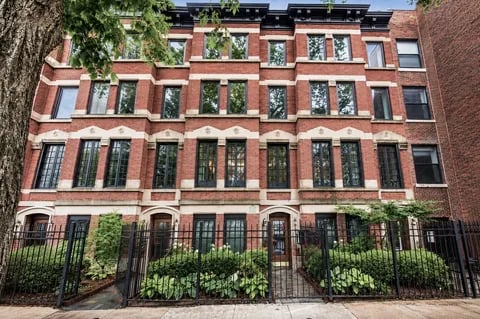
A special assessment is a one-time bill charged to every unit owner to cover a shortfall — usually because the reserve fund couldn't absorb an unexpected repair. In Lincoln Park, Lakeview, and Uptown vintage buildings especially, aging masonry, boilers, and roofing are common triggers. The warning signs to look for in the board minutes: repeated discussion of "deferred maintenance," a reserve study that's more than 3 years old, or a recent history of "temporary" fee increases.
"I'm not in it for the quick close — I'm here to make sure you actually understand what you're buying into, financials and all." — Michael Beaver
Condo vs. Single-Family: Why This Matters More for Work-From-Home Buyers
If you're working from home, HOA rules go beyond finances — they govern whether you can even modify a unit to build a proper home office. Some associations restrict interior wall changes or require board approval for renovations. Before you fall in love with a floor plan, confirm the association's renovation policy in writing.
Frequently Asked Questions
How do I know if a Chicago condo building has healthy HOA reserves?
Ask for the last 2 years of HOA financials and the reserve study. Reserves in the general 25–40% of annual budget range are often considered a reasonable benchmark, though every building's needs differ — a recent reserve study is the real answer, not a single number.
Can I back out of a condo purchase if I find HOA red flags during attorney review?
In most standard Illinois attorney review periods, yes — this is exactly why requesting HOA documents early, before you're locked into a contract, protects you.
Who pays for a special assessment — the buyer or the seller?
This is negotiable and should be spelled out explicitly in your contract. Ask your agent to address it directly rather than assuming it defaults one way or the other.
Buying a condo shouldn't mean gambling on a building's finances. If you're looking at units in Lincoln Park, Lakeview, or Uptown, I'll walk the HOA documents with you line by line before you ever write an offer. Book a free consultation with Michael.