Why People Move to Lincoln Park
Lincoln Park sits along the lake on Chicago's North Side, anchored by the park of the same name, the Lincoln Park Zoo, and one of the city's busiest strips of restaurants and shops on Armitage and Halsted. It draws a mix of young professionals, families, and long-time residents who want walkability, green space, and easy access to downtown without living downtown.
If you're relocating from another city, or moving north from a different Chicago neighborhood, here is what actually matters when you're deciding whether Lincoln Park fits your life.
What Homes Cost in Lincoln Park Right Now
The average home value in Lincoln Park is $690,732, up 10.4% over the past year as of late August 2026, according to Zillow. Homes are moving fast, typically going to pending in around eight days. That pace means buyers relocating from slower markets should expect to move quickly once they find a home they like.
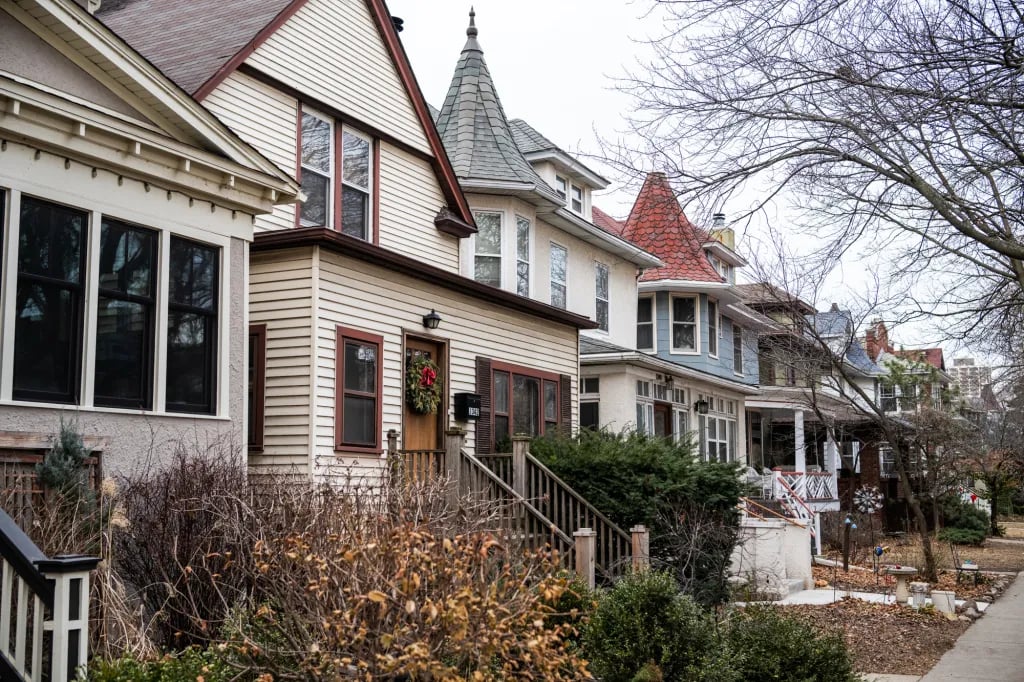
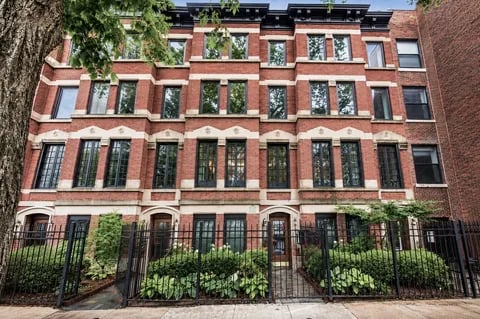
Housing stock ranges widely. You'll find classic Chicago greystones and vintage three-flats, single-family homes near the park, and newer condo and townhome developments closer to Clybourn and North Avenue. Because the neighborhood mixes housing types block by block, price and square footage can vary a lot even within a few blocks of each other.
Getting Around Without a Car
Lincoln Park is one of the more walkable, transit-connected neighborhoods on the North Side. The Red Line and Brown Line both run through it, and bus routes along Clark, Halsted, and Fullerton connect quickly to downtown and to neighboring areas like Lakeview and Old Town. Many residents get by with one car or no car at all, especially if their work is downtown or on the North Side.
Daily Life in the Neighborhood
Lincoln Park Zoo and the park itself are free and open year-round, and the Lincoln Park Conservatory adds an indoor option in the colder months. The neighborhood's commercial corridors, Armitage-Halsted, Clark Street, and the Lincoln-Southport strip a bit further north, cover most day-to-day needs: groceries, coffee, restaurants, boutiques, and services, mostly within walking distance.
The lakefront trail runs the length of the neighborhood, giving quick access to running, biking, and beach paths without leaving the area.
Who Tends to Like Lincoln Park
People relocating for walkability, green space, and a slower, more residential feel while staying close to downtown tend to be happiest here. If your priority is nightlife density or the lowest possible price point in the city, other North Side neighborhoods may fit better. There's no wrong answer, it depends on what you're optimizing for.
Frequently Asked Questions
Is Lincoln Park a good fit for someone relocating without a car?
Yes. Between the Red Line, Brown Line, and multiple bus routes, most day-to-day trips don't require a car. Many residents keep a car for weekend trips out of the city but rely on transit and walking for daily life.
What kind of housing is available in Lincoln Park?
A mix. You'll see vintage greystones and three-flats, single-family homes, and condo or townhome developments, especially closer to Clybourn and North Avenue. Talk with a local agent about which pocket of the neighborhood matches your budget and space needs, since it can shift block by block.
How competitive is the Lincoln Park market for buyers?
Homes are moving quickly, typically going to pending in around eight days as of late summer 2026. If you're relocating from a slower market, plan to have financing and your search criteria dialed in before you start touring, so you can move fast when the right home comes up.
What's within walking distance in Lincoln Park?
Lincoln Park Zoo, the Lincoln Park Conservatory, the lakefront trail, and commercial corridors along Armitage-Halsted and Clark Street. Most residents can handle groceries, dining, and daily errands on foot.